










Introduction to FPL Price Changes
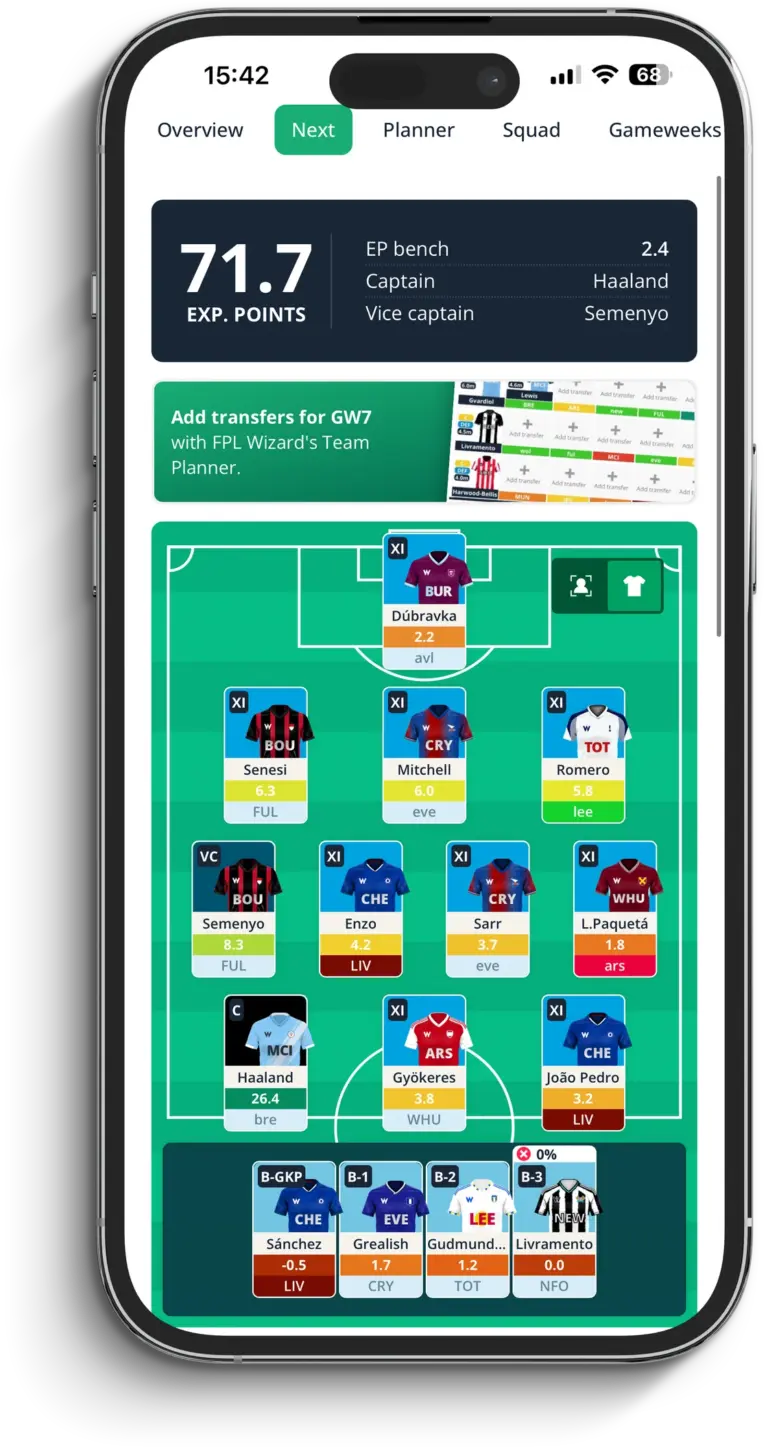
In the competitive world of Fantasy Premier League (FPL), price changes are a critical factor that can significantly impact team strategy and performance. Each week, players’ values fluctuate based on their performances, transfer activity, and public perception, thereby influencing how managers construct their teams. Understanding these price changes is essential for FPL managers striving for success in their leagues.
Recent Trends in FPL Price Changes
As of October 2023, the dynamics of FPL price changes have become increasingly volatile. Early-season results have seen several players experience notable rises in price, driven by impressive performances and increased ownership. For instance, players like Erling Haaland and Mohamed Salah have maintained high ownership percentages, leading to incremental price increases each week. Conversely, underperforming players like Raheem Sterling have seen their prices dip, prompting FPL managers to reassess their team structures.
According to FPL statistics, players’ prices change every 48 hours based on the number of transfers in and out of their teams. The current price rise threshold is set at 100,000 net transfers, meaning that once a player’s net transfers exceed this number, their price will likely rise. Similarly, a drop in a player’s ownership or performance could result in a price decline. This system creates urgency among managers to make timely transfers, as failing to act quickly can result in missing out on potential value increases or talent revisions.
Strategies for Navigating Price Changes
To make the most of price changes, FPL managers should monitor player performances closely and be aware of transfer trends. Utilising tools and resources, including online tracking websites and community forums, can assist in predicting potential price movements. Additionally, timing transfers correctly can yield significant profits, allowing managers to upgrade their squads effectively.
For example, some seasoned FPL players choose to ‘ride the price rise wave’ by buying in-form players before their price rises, ensuring they benefit from improved team value. While this strategy can be successful, it’s also essential to maintain flexibility in your overall team strategy and not overly commit to specific players based solely on price changes.
Conclusion: The Significance of FPL Price Changes
In conclusion, FPL price changes play a pivotal role in the landscape of Fantasy Premier League football. Understanding the factors influencing these changes, coupled with strategic planning and timely transfers, can enhance managers’ chances of climbing the overall rankings. As this FPL season progresses, keeping a close eye on players’ performances and market movements will be more crucial than ever. The volatility of FPL prices not only adds a layer of excitement to the game but also challenges managers to adapt and evolve their strategies continuously.