










Introduction
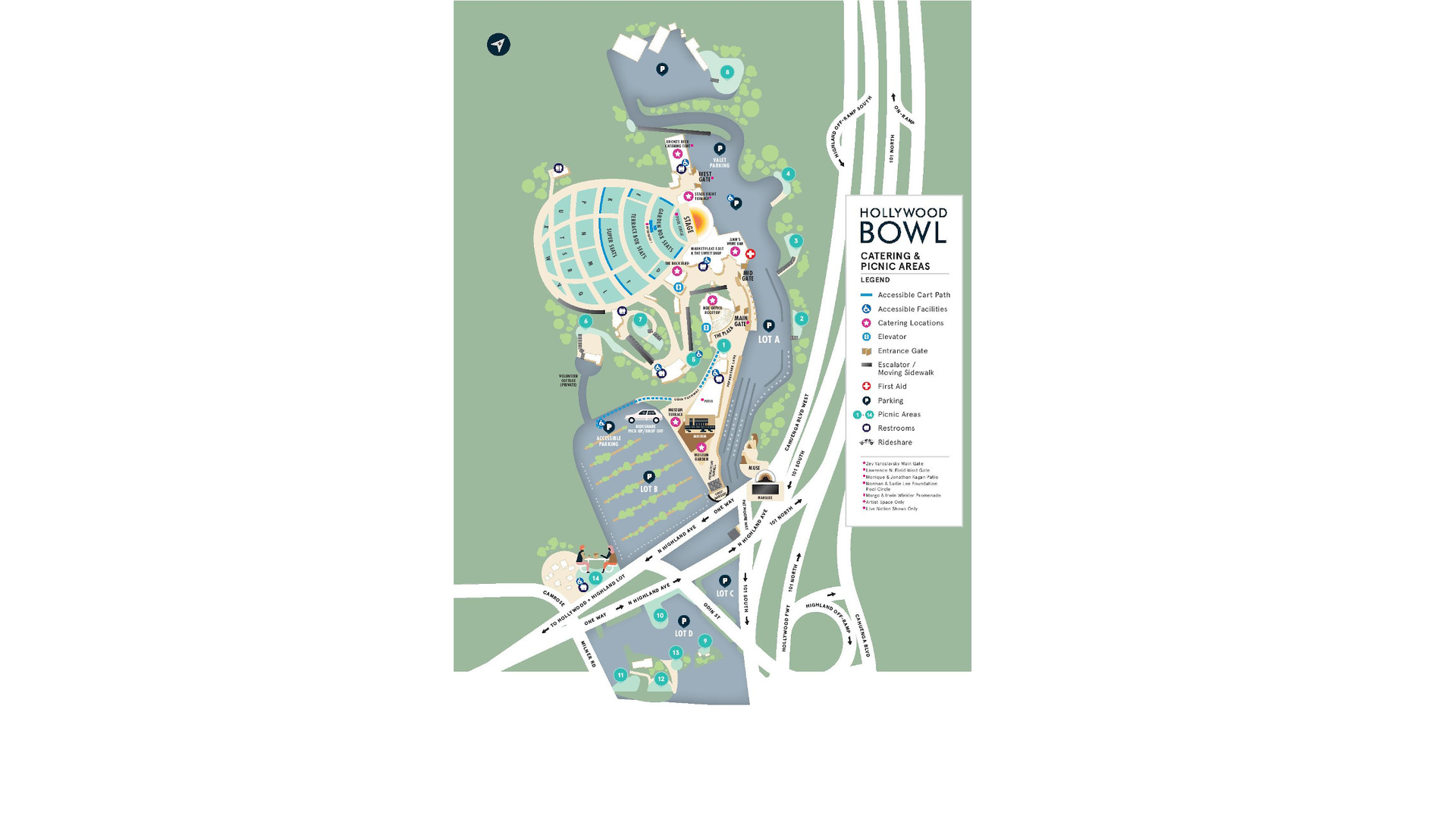
The Hollywood Bowl, located in Los Angeles, California, is one of the most famous amphitheatres in the world, renowned for its outstanding acoustics, stunning views, and rich history. As a key venue for a wide range of performances including concerts, orchestras, and film screenings, the Hollywood Bowl has become an integral part of the cultural fabric of not only Los Angeles but also the international arts scene. This article aims to delve into the history, events, and significance of the Hollywood Bowl.
A Historical Overview
The Hollywood Bowl opened in 1922, originally serving as a small space for local musicians. Its striking design, characterised by a shell-shaped structure and terraced seating, has evolved over the decades. In 1926, the Bowl began hosting concerts featuring the Los Angeles Philharmonic, a partnership that has helped establish its reputation as a premier venue for symphonic music.
Throughout the years, numerous iconic artists have performed at the Hollywood Bowl, including Ella Fitzgerald, Frank Sinatra, and more recently, contemporary artists like Beyoncé and Harry Styles. These performances have attracted millions of attendees, making the venue a cornerstone of Los Angeles’ vibrant entertainment scene.
Current Events and Features
As the summer concert season approaches in 2023, the Hollywood Bowl is gearing up for an exciting lineup. This year will feature a unique mix of genres, including classical music, pop, rock, and cinematic events. The Hollywood Bowl Orchestra, under the direction of its talented conductor, will present a variety of themed concerts. Additionally, the venue is known for its annual ‘Movies Under the Stars’ series, where classic films are screened accompanied by live orchestral music.
The Hollywood Bowl also plays a vital role in community engagement, offering educational programs for children and families. These initiatives aim to foster a love for music and performance arts in younger generations, making the venue not just a hub for entertainment, but also a contributor to the local community.
Conclusion
In conclusion, the Hollywood Bowl is not only an architectural marvel but also a significant cultural institution that has hosted countless legendary performances. Its ongoing commitment to showcasing a diverse array of talent, combined with community programs, reaffirms its status as a vital part of Los Angeles’ arts landscape. As it continues to attract audiences from around the globe, the Hollywood Bowl promises to remain a beacon of cultural enrichment and entertainment for years to come.