







Introduction: The Relevance of Kurdistan
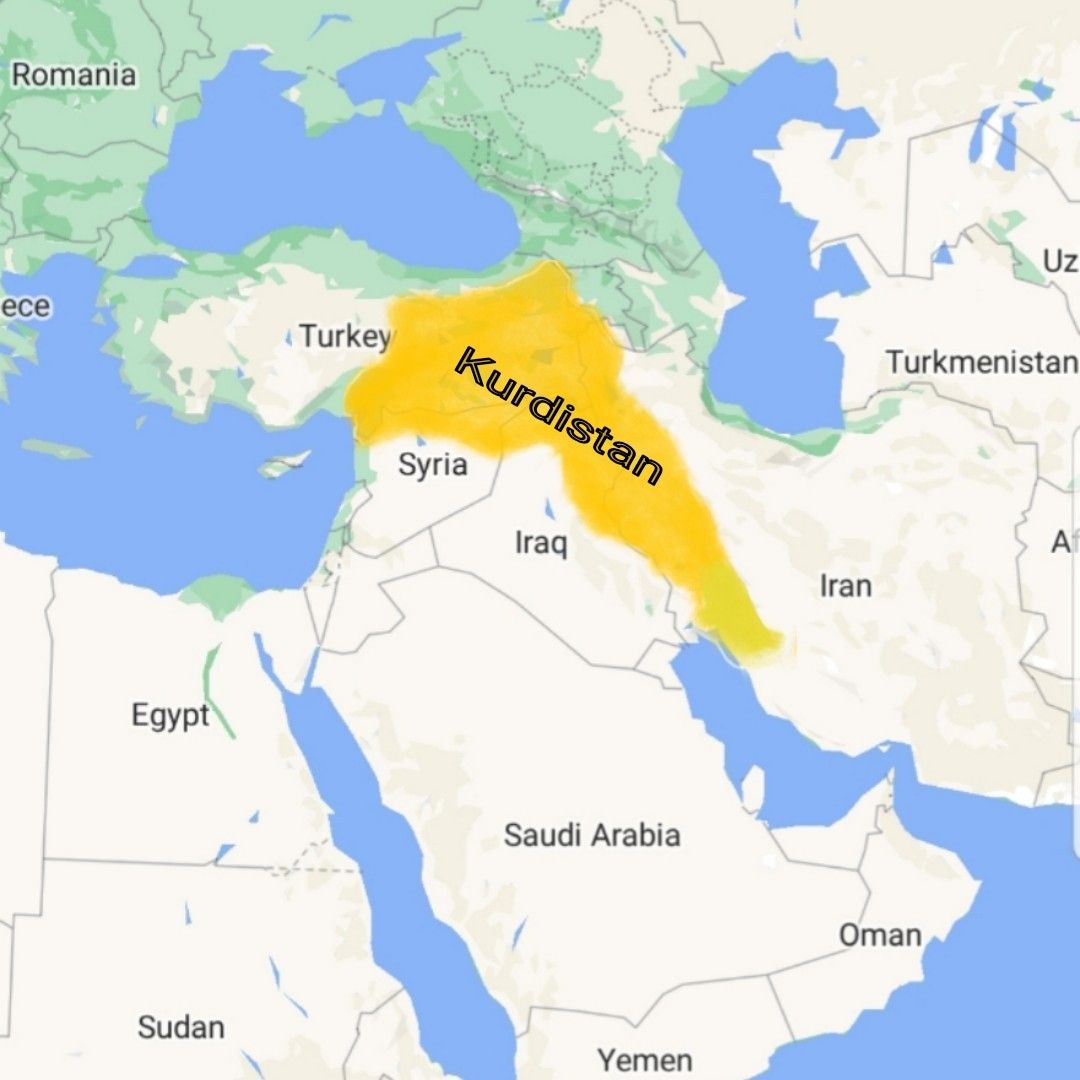
Kurdistan, a region traditionally inhabited by the Kurdish people, spans across parts of Turkey, Iran, Iraq, and Syria. It holds immense cultural, historical, and geopolitical significance. As the Kurdish population continues to strive for greater autonomy and recognition, understanding Kurdistan’s complexities has never been more crucial, particularly as tensions in the Middle East escalate.
The Historical Context
The Kurdish people, estimated to number around 30 million, have a rich history dating back thousands of years. They have long sought self-determination, particularly after the boundaries of the modern Middle East were drawn post-World War I. The Treaty of Sèvres (1920) initially promised the establishment of a Kurdish state, but subsequent treaties has left Kurdish populations divided and often marginalized.
Current Events in Kurdistan
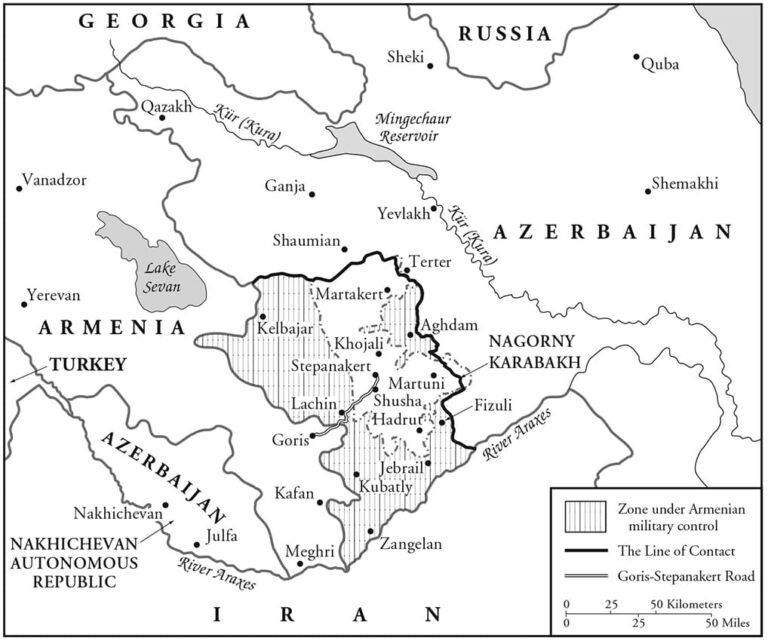
In recent months, the geopolitical landscape surrounding Kurdistan has been dynamic. The Autonomous Region of Kurdistan in Iraq has seen a resurgence in popularity among Kurds, especially amidst the backdrop of conflicts involving the Islamic State and regional rivalries. The Iraqi central government has been engaged in a complex relationship with the Kurdistan Regional Government (KRG), often marked by disputes over oil revenue and territorial boundaries.
In Turkey, the Kurdish Workers’ Party (PKK) remains a point of contention. The Turkish government, viewing the PKK as a terrorist entity, has launched military operations against both the PKK and Kurdish communities, exacerbating tensions. Meanwhile, the situation in Syria has prompted a multi-faceted approach to the Kurdish issue, as Kurdish fighters played significant roles in the fight against ISIS, further complicating their relationship with Damascus and Ankara.
The Cultural Impact
The cultural landscape of Kurdistan is diverse, influenced by various traditions and ethnicities. The Kurdish language, music, dance, and literature embody the rich heritage of the Kurdish people. Festivals such as Newroz, which celebrates the arrival of spring, are pivotal in maintaining a sense of identity and community among Kurds across the globe.
Conclusion: The Future of Kurdistan
As geopolitical tensions in the Middle East continue to evolve, Kurdish aspirations for autonomy and recognition remain ever-present. The future of Kurdistan lies in the balance between regional dynamics, national policies, and international support. For readers, understanding this intricate tapestry of history, culture, and politics is essential for contextualising the ongoing struggles and achievements of the Kurdish people.