









Introduction
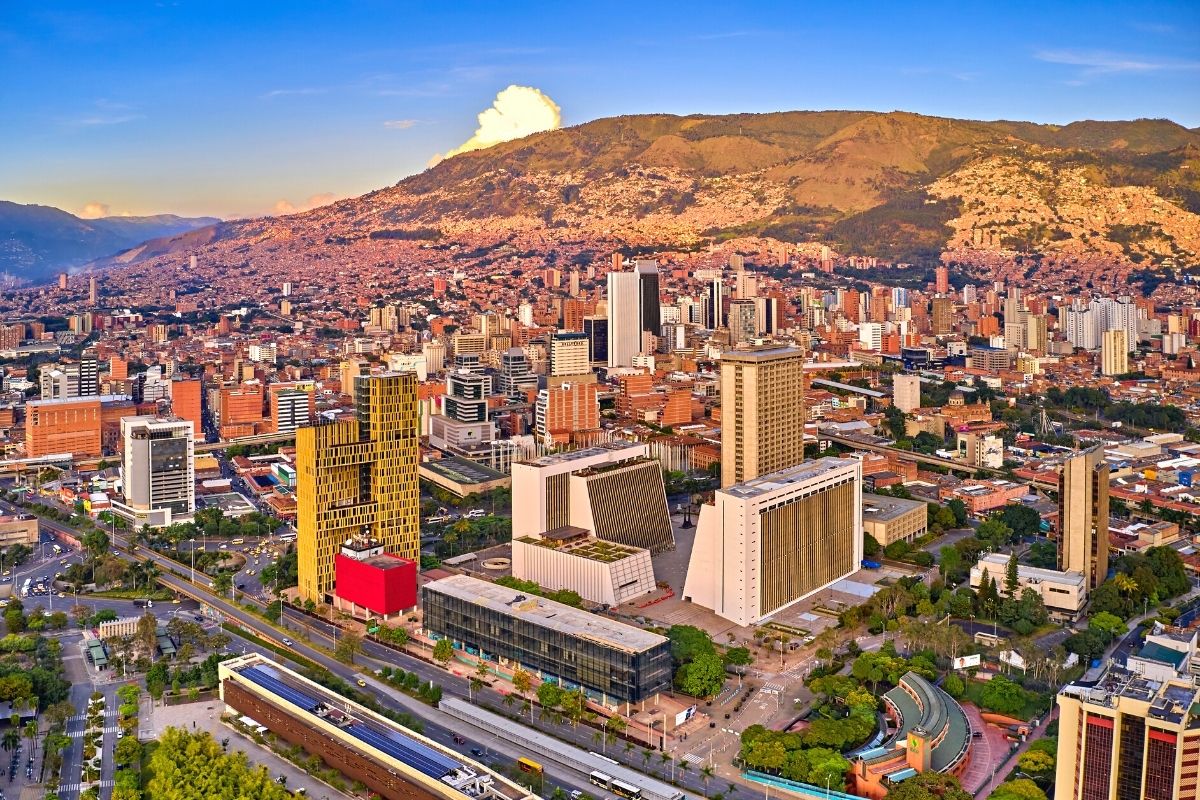
Medellin, Colombia, once infamous for its association with drug cartels, has undergone a remarkable transformation over the past two decades. Today, it stands as a symbol of innovation, resilience, and cultural revival. This city has become one of the most dynamic urban centers in South America, attracting tourists, entrepreneurs, and researchers alike. The significance of Medellin’s transformation lies not only in its revitalised image but also in the lessons it offers on urban development and social progress.
Urban Development and Innovation
Medellin’s journey towards renewal began in the early 2000s, when local authorities implemented strategic social and economic policies to tackle crime and improve living conditions. Key to this transformation has been the introduction of innovative public transportation projects, such as the Medellin Metrocable, which connects the city’s poorer hillside neighbourhoods to the metro system, enabling residents to access better job opportunities and services.
The city has also invested in technology and education, establishing partnerships with local universities and businesses. The creation of technology parks, such as Ruta N, has fostered a vibrant startup ecosystem, positioning Medellin as Colombia’s Silicon Valley. Events like the annual Medellin Innovation Summit attract international attention and investment, cementing the city’s reputation as a leading hub for technology and innovation in Latin America.
Cultural Revival and Tourism
Alongside its economic growth, Medellin has experienced a renaissance in its cultural identity. The city is home to numerous cultural festivals, art galleries, and museums, such as the Museum of Antioquia, which showcases the works of renowned Colombian artist Fernando Botero. The annual Flower Festival, celebrated every August, draws thousands of visitors, highlighting the region’s rich floral heritage and cultural traditions.
Tourism in Medellin has surged, with the city being featured in numerous travel guides as a must-visit destination. Attractions like the stunning Comuna 13, known for its street art and community-led tours, and the scenic Botero Plaza have made the city more accessible and appealing to tourists from around the world.
Conclusion
As Medellin continues to evolve, its journey serves as a potent reminder of the power of resilience and innovation in urban development. The city’s ability to adapt and reinvent itself offers valuable insights for other cities facing similar challenges. Looking ahead, Medellin is poised to further enhance its role as a cultural and technological leader in Latin America, proving that transformation is not only possible but can lead to profound social and economic benefits for all residents.