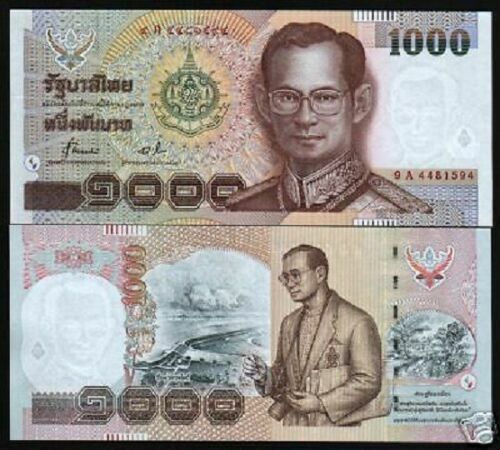
The Importance of Thailand
Thailand, known as the ‘Land of Smiles’, is a Southeast Asian nation celebrated for its rich cultural heritage, stunning landscapes, and world-renowned hospitality. It plays a vital role in tourism, contributing significantly to both the local and global economy. As tourism rebounds post-pandemic, understanding Thailand’s tourism trends and cultural significance is more pertinent than ever.
Tourism Trends in Thailand
According to data from the Tourism Authority of Thailand (TAT), the country welcomed over 10 million international tourists in the first nine months of 2023. This impressive recovery is attributed to its successful vaccination programme and the easing of travel restrictions. The number is set to surpass the pre-pandemic levels by 2024, when 40 million visitors are projected to arrive.
Key tourist attractions include Bangkok’s ornate temples, the ancient ruins of Ayutthaya, and the picturesque beaches of Phuket and Koh Samui. In addition to these, rising interest in eco-tourism has increased footfall in national parks such as Khao Sok and Erawan, highlighting the country’s diverse natural beauty.
Cultural Significance
Thailand’s cultural heritage comprises a blend of historical elements and modern influences, reflecting its unique position in Southeast Asia. Notable festivals such as Songkran and Loy Krathong attract both locals and tourists, showcasing traditional rituals and festivities. Additionally, Thai cuisine, famous for its bold flavours and variety, garners a massive following globally, prompting an increase in culinary tourism.
The Thai government’s efforts to promote sustainable tourism also highlight their commitment to preserving cultural heritage. Initiatives like community-based tourism exemplify how local communities can engage with visitors, enhancing their cultural experiences while also ensuring economic benefits are retained within the area.
Conclusion and Future Outlook
As Thailand continues to recover from the impacts of the COVID-19 pandemic, its standing as a premier tourist destination is reaffirmed by its rich cultural offerings and natural beauty. Future prospects for the tourism industry appear promising, driven by a growing awareness of sustainable practices and a richer visitor experience. For travellers, Thailand remains a beacon of adventure and cultural exploration, fostering unforgettable memories while contributing to its economy’s resilience.