





Introduction
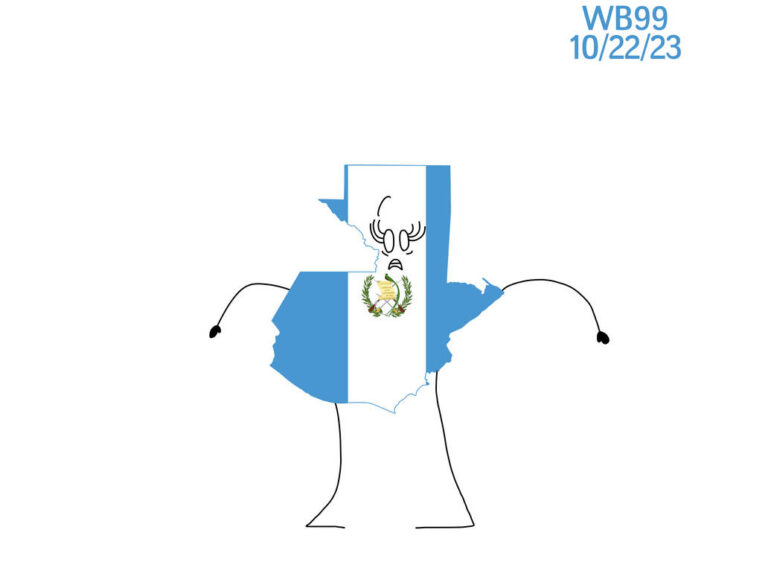
Guatemala, a country located in Central America, has recently gained attention for its rich cultural heritage, stunning landscapes, and vibrant traditions. With a history that dates back thousands of years, marked by the ancient Mayan civilization, Guatemala holds a significant place in both historical and contemporary discussions about cultural preservation and tourism. Understanding Guatemala not only highlights the uniqueness of its traditions but also sheds light on current economic and social challenges faced by the nation.
The Cultural Landscape
Guatemala is renowned for its diverse culture, which is a blend of Mayan and Spanish influences. According to the latest census, roughly 40% of the population identifies as Indigenous, representing over 20 different groups each with their own languages and customs. Notable among them is the Maya, whose ancient ruins, such as Tikal and Quiriguá, attract tourists from around the globe. These sites provide a glimpse into the advanced society that thrived in the region long before European contact.
Recent Developments and Challenges
However, Guatemala faces significant challenges, including high levels of poverty and inequality, particularly in rural areas where Indigenous communities struggle for resources. The COVID-19 pandemic has exacerbated these issues, leading to increased unemployment and a decline in educational opportunities. Despite these socio-economic difficulties, various organisations, both local and international, are working towards sustainable development through educational initiatives and economic support programs aimed at empowering local communities.
Tourism and Economic Impact
The tourism sector is essential to Guatemala’s economy, providing sources of income and employment for many families. Destinations like Lake Atitlán, Antigua Guatemala, and the vibrant markets of Chichicastenango are critical to this industry. Recent reports indicate a cautious but positive recovery in tourism as travelers seek destinations that offer both adventure and cultural experiences. Authorities are focusing on safety measures and sustainable tourism practices to preserve Guatemala’s natural and cultural resources while welcoming visitors back.
Conclusion
In conclusion, Guatemala stands at a crossroads of cultural preservation and modern challenges. As the country continues to harness its rich historical narratives and the resilience of its people, it holds the potential for greater international engagement and support. Understanding Guatemala’s current landscape is crucial for anyone looking to appreciate the depth of its culture while contributing positively to its societal progress. The future will depend on how the nation navigates the complexities of modernity while remaining true to its unique heritage.