Introduction
In recent months, the presence of Russian drones near Poland’s borders has sparked considerable concern within NATO. As tensions between Russia and the West continue to escalate, these developments have underscored the importance of surveillance and defensive measures to protect member states. Poland, a key NATO ally, finds itself at the forefront of these security challenges, prompting discussions on how to effectively counter potential aerial threats.
The Growing Drone Threat
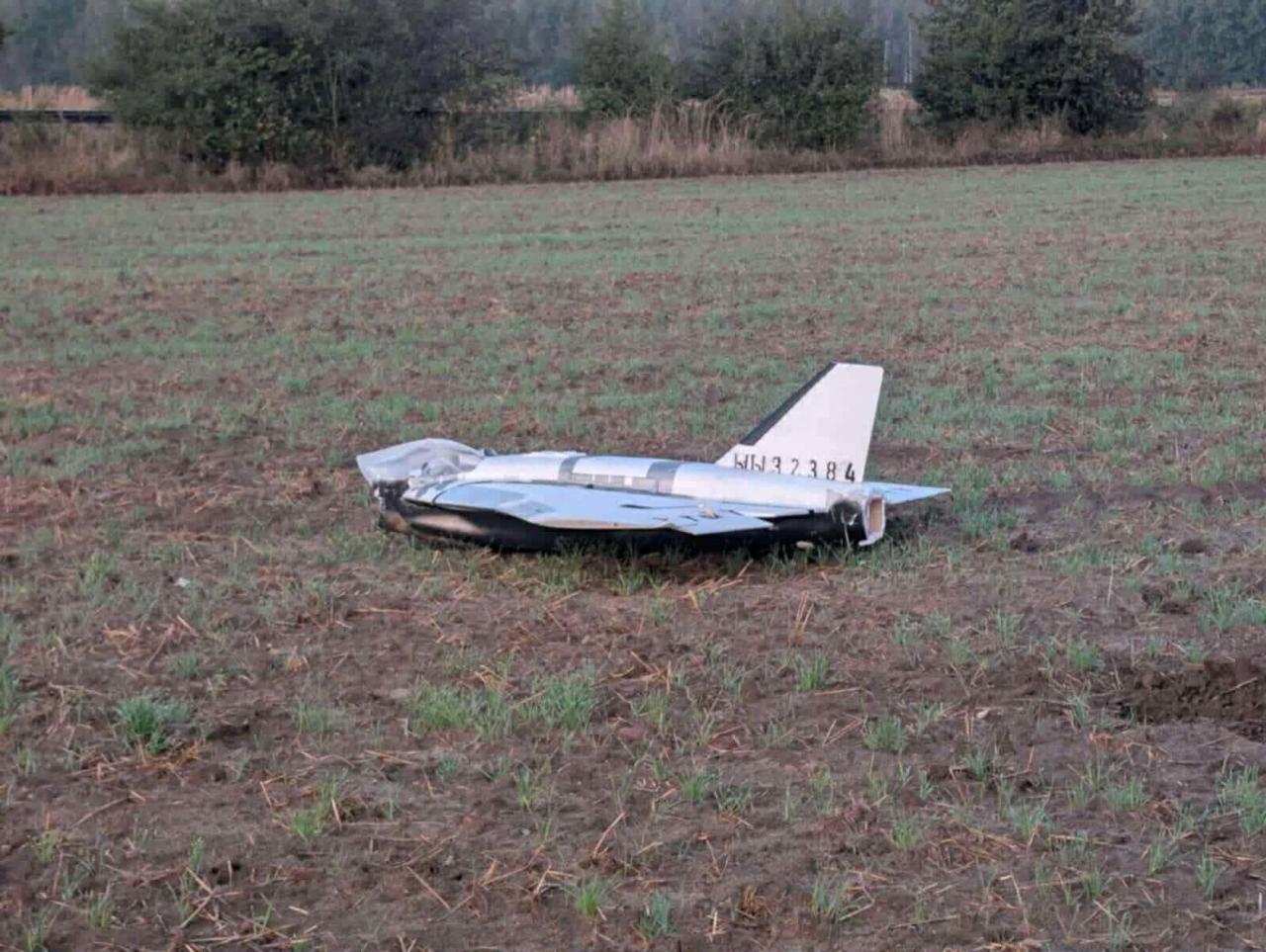
Since the onset of the conflict in Ukraine, the use of drones by Russian forces has become increasingly sophisticated. Reports indicate that Russian unmanned aerial vehicles (UAVs) have been spotted conducting surveillance and alleged reconnaissance missions close to Polish airspace. NATO officials highlighted a worrying pattern of such incursions, which have raised alarms regarding the capability of these drones to carry out attacks or gather intelligence. In a defensive statement, NATO Secretary General Jens Stoltenberg noted, “We are monitoring the situation closely and stand ready to assist our allies in safeguarding their airspace.”
Poland has already taken steps to enhance its air defense systems in response to the increased drone activity. This includes collaborating with NATO allies to bolster their missile defence capabilities and pursue advanced drone detection technologies to ensure timely responses against potential threats. The Polish Ministry of Defence stated that they are prioritising funding and development of their military infrastructure to address this critical issue.
NATO’s Strategic Response
NATO’s collective defence policy is being tested in the face of this evolving threat. As drones operate beyond the conventional battlefield, there is a pressing need for NATO member nations to adapt their defence strategies. Recent military exercises in eastern Europe have incorporated anti-drone technology, showcasing a commitment to counteract aerial threats. Poland, being a frontline state, is benefitting from increased NATO military presence and support, including troops from the United States, who are assisting in training and enhancing readiness.
Conclusion
The situation concerning Russian drones near Poland is symptomatic of broader geopolitical tensions. With NATO’s commitment to collective defence at stake, member nations must remain vigilant, assessing both their military preparedness and international cooperation. The threat of aerial surveillance and potential attacks necessitates a united response that reinforces security around Poland’s borders. As NATO continues to evolve its strategies to counter these threats, Polish security initiatives will play a crucial role in shaping the balance of power within the region. Enhanced cooperation between NATO allies will not only deter potential aggressors but also ensure that Poland remains a steadfast contributor to the alliance’s collective security efforts.