Introduction
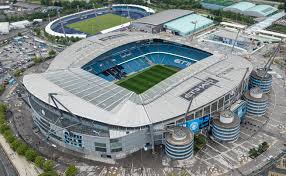
The City of Manchester Stadium, also known as the Etihad Stadium, holds a prominent place in both sports and culture in Manchester, United Kingdom. As the home of Manchester City Football Club, it represents a significant investment in the local area and showcases the evolution of modern stadium design. The venue is not only crucial for football fans but also pivotal to the city’s economy and tourism.
Historical Background
Opened in 2003, the City of Manchester Stadium was initially constructed for the Commonwealth Games, featuring a capacity of around 47,000 seats. Its transformation into a football stadium for Manchester City followed the Games, and since then, it has been continuously upgraded to enhance the spectator experience. Notably, the stadium underwent a significant redevelopment in 2011, increasing its capacity and introducing additional facilities to accommodate fans.
Recent Developments
In recent news, the City of Manchester Stadium has been in the spotlight due to Manchester City’s impressive performance in domestic and European competitions. The club’s continued success has led to record attendances, robust merchandise sales, and substantial local economic benefits. Additionally, the stadium has hosted other events, including concerts and rugby matches, thus leveraging its potential beyond football.
This season, with Manchester City vying for top positions in both the Premier League and the UEFA Champions League, the City’s support remains unwavering. The atmosphere inside the stadium has been described as electric, highlighting the passionate fan base that consistently fills the stands.
Community Impact
Beyond being a sports venue, the City of Manchester Stadium plays a vital role in the community. It runs various outreach programmes focusing on health, education, and sport. The club actively engages with local residents, ensuring that the benefits of the stadium extend into the Manchester community. The recent opening of the City Football Academy further showcases the club’s commitment to developing young football talent and contributing to local youth engagement.
Conclusion
The City of Manchester Stadium remains more than just an arena for football; it is a cultural landmark that signifies Manchester’s rich sporting heritage and its future potential. Recent trends suggest continued growth in both attendance and community involvement, making it an essential asset for the city. As Manchester City competes at the highest level, expectations are high for further advancements both on and off the pitch, promising an exciting future for fans and the local community alike.