The Significance of Ole Gunnar Solskjær in Football
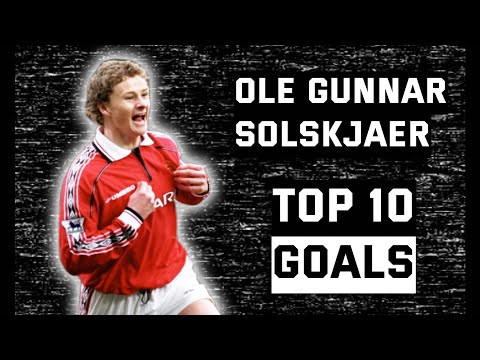
Ole Gunnar Solskjær, a name synonymous with Manchester United, has been a pivotal figure in both the club’s history as a player and a manager. Known for his clinical finishing as a striker during the 1990s and early 2000s, Solskjær holds a special place in the hearts of fans, particularly for his iconic last-minute goal that secured the Champions League title in 1999.
From Player to Manager
After hanging up his boots in 2007, Solskjær transitioned into management, starting with the reserves at Manchester United and subsequently taking the reins at Molde FK in Norway. He enjoyed moderate success there, winning the Eliteserien title twice. His impressive return to Manchester United came as an interim manager in December 2018, following the sacking of José Mourinho.
Key Achievements and Challenges
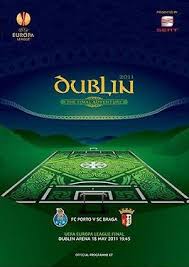
Solskjær’s appointment as interim manager quickly garnered positive attention. Under his leadership, United went on a remarkable unbeaten run, sealing a spot in the Champions League. The club’s decision to make him permanent in March 2019 was a testament to his early success and connection with the players. However, his tenure was not without challenges. While he did lead the team to the UEFA Europa League final in 2021, inconsistency in league performance ultimately led to his dismissal in November 2021.
Recent Developments and Future Prospects
Following his departure from Manchester United, Solskjær has remained largely out of the managerial spotlight, focusing on personal development and football consultancy roles. Recently, there have been discussions among fans and analysts about his potential return to management, perhaps with international teams or club opportunities in various leagues. His tactical acumen and deep understanding of the game continue to be recognised within the football community.
Conclusion
Ole Gunnar Solskjær’s journey through the highs and lows of football management emphasizes the volatility of the profession. His legacy at Manchester United, marked by both triumphs and lessons learned, positions him as a significant figure in modern football. As the football season progresses, many will be keeping an eye on the potential return of Solskjær to the touchline, whether in domestic or international spheres.