









Introduction
Measles, a highly contagious viral infection, is significant due to its potential to cause severe health complications. With the resurgence of measles cases in various regions across the globe, understanding its implications is more critical than ever. Measles remains a public health concern despite the availability of an effective vaccine.
Current Situation
According to the World Health Organization (WHO), global measles cases rose sharply in 2022, with numerous outbreaks prompting fears of increased mortality. The rise in cases is attributed to vaccine hesitancy, misinformation, and disruptions in vaccination services during the COVID-19 pandemic. For instance, the United States has recorded significant outbreaks in states with lower vaccination rates, emphasizing the need for community awareness and proactive health measures.
Symptoms of Measles
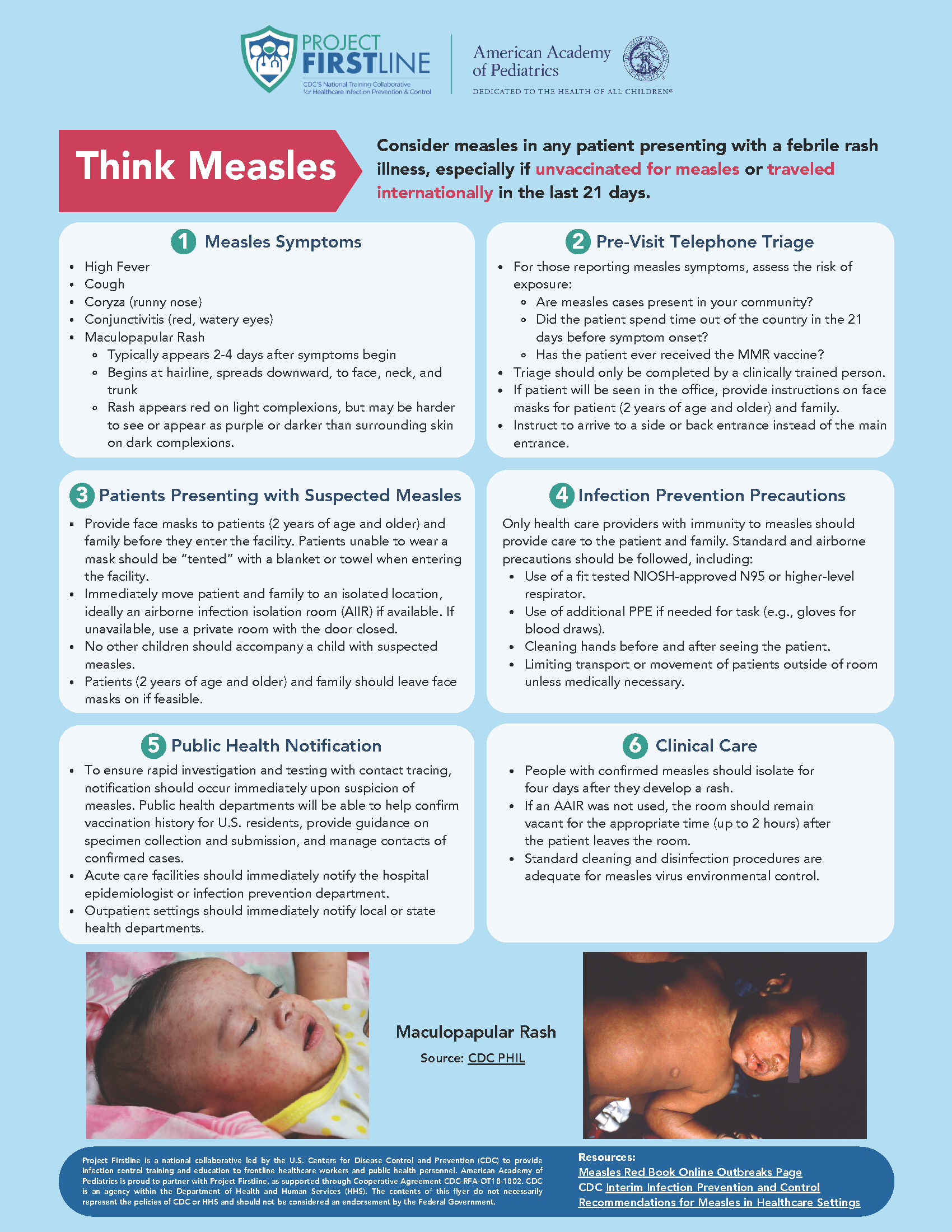
Measles typically manifests through a series of symptoms beginning with high fever, cough, runny nose, and inflamed eyes. Following these initial symptoms, a characteristic red rash usually appears, starting at the face and spreading downwards. Although most cases resolve without serious complications, measles can lead to severe health issues, including pneumonia, encephalitis, and even death, particularly in young children and immune-compromised individuals.
Prevention Strategies
The measles vaccine, usually administered as part of the measles, mumps, and rubella (MMR) vaccine, is the most effective way to prevent the disease. WHO recommends that children receive their first dose at around 12 months of age, with a second dose administered before school entry. Increasing vaccination coverage globally is vital to combatting the resurgence of measles, and health authorities are urging communities to ensure that vaccination rates remain high.
Conclusion
As measles remains a public health challenge, ongoing education about the importance of vaccination and addressing concerns within communities is essential. The return of measles in various countries underlines the fragile state of herd immunity and the need for continued vigilance. Future efforts must focus on enhancing public health responses and ensuring access to vaccines, with the hope of eliminating this preventable disease once and for all. It is crucial for individuals and parents to remain informed and advocate for vaccination to protect not just themselves but those around them.