










Introduction
The TV Licence is a crucial aspect of broadcasting in the United Kingdom, affecting every household that watches live television or uses the BBC’s iPlayer services. Introduced in 1946 to fund the British Broadcasting Corporation (BBC), the licence fee continues to be a topic of debate regarding its necessity and impact on viewers. As we navigate an era of rapid digital transformation, understanding the implications of the TV Licence is more relevant than ever.
What is a TV Licence?
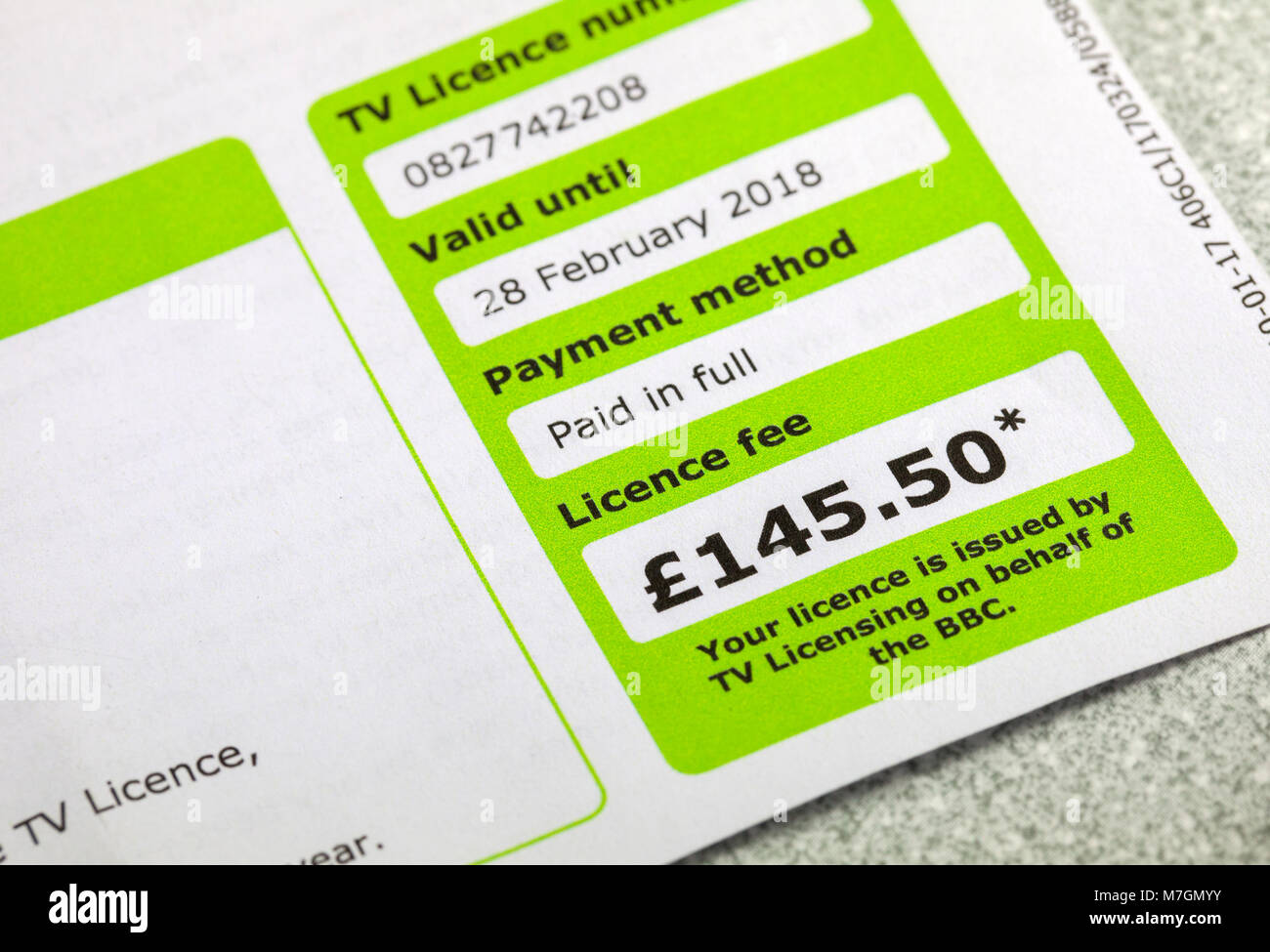
A TV Licence is a legal requirement in the UK that allows customers to watch or record live television broadcasts and indicates that you can access BBC services legally. As of current regulations, the licence fee stands at £159 per year for standard colour television; however, adjustments can occur, so it’s important to stay updated. Households must obtain this licence if they watch programmes as they are being broadcasted or use the BBC iPlayer to stream content.
Recent Developments
In recent months, discussions surrounding the TV Licence have intensified, especially with the BBC’s funding model coming under scrutiny. A report from the UK government suggests a potential review of the TV Licence fee system and its financial sustainability in light of changing viewing habits. More viewers are turning towards subscription-based streaming services, such as Netflix and Amazon Prime Video, which don’t require an additional licence.
Additionally, during the 2023 parliamentary sessions, lawmakers have debated whether the current system is workable for future generations or if an alternative model should be explored. Amidst these discussions, public opinions remain divided; many feel the BBC provides a valuable service, while others oppose compulsory fees in favour of a voluntary subscription model.
Consequences of Non-Payment
Failure to pay for a TV Licence can lead to serious consequences, including fines of up to £1,000 in the UK. Enforcement of the licence fee involves thorough monitoring by the TV Licensing Authority, which employs various methods to verify compliance, including home visits. By not maintaining a valid licence, individuals risk legal action, creating a pressing incentive for compliance among the viewing public.
Conclusion
The discussion around the TV Licence in the UK underscores its relevance in the evolving landscape of media consumption. As viewers increasingly embrace alternative forms of entertainment, the future of the TV Licence system remains uncertain. It is critical for residents to remain informed about their obligations concerning the TV Licence, as changes may affect viewing strategies and budget allocations in the years to come. Engagement in the discourse surrounding the licence fee could lead to reforms that align the broadcasting model with contemporary viewing trends, ensuring fair access for all UK residents.