









Introduction
Emissions based parking is quickly becoming a significant topic as urban areas strive to reduce air pollution and promote sustainable transport solutions. In Reading, local authorities have implemented a new parking policy aimed at incentivising low-emission vehicles while restricting the use of more polluting cars. This initiative is particularly relevant in the context of ongoing discussions about climate change, urban congestion, and public health.
The Implementation of Emissions Based Parking
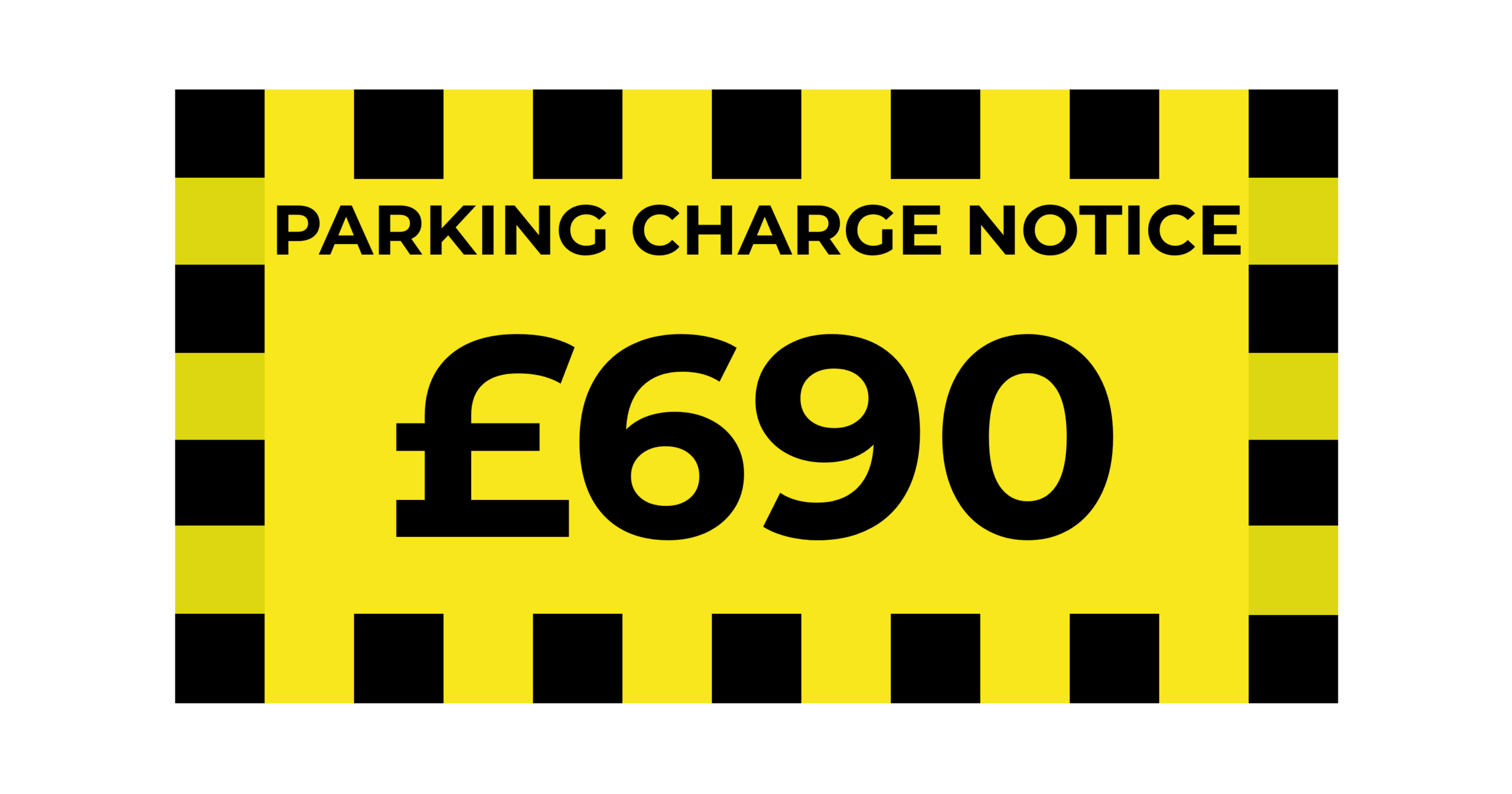
In 2023, Reading Borough Council launched its emissions based parking scheme as part of its broader strategy to enhance air quality across the town. This scheme introduces parking charges that vary based on a vehicle’s emissions. Vehicles that emit lower levels of CO2 and other harmful pollutants are subject to lower fees, whereas older, high-emission vehicles face substantially higher charges.
The policy aligns with similar initiatives adopted in other cities across the UK and aims to encourage more residents to switch to electric or hybrid vehicles. Reports indicate that this scheme is expected to significantly reduce the number of high-emission vehicles on the roads, which will contribute to enhanced air quality in the region.
Public Response and Environmental Impact
Initial feedback from Reading’s residents has been mixed. Supporters argue that the scheme could lead to better air quality and encourage the use of cleaner transport options. Conversely, critics have raised concerns regarding the affordability of electric vehicles for lower-income families and the potential for increased parking difficulties in central areas.
In addition, local businesses have expressed worries about how the new charges may impact consumer behaviour. The Council is committed to analysing traffic and parking data to gauge the scheme’s effectiveness and make necessary adjustments.
Looking Ahead
As the emissions based parking scheme in Reading continues to evolve, it will serve as a case study for other towns and cities considering similar policies. This initiative underscores the importance of integrating environmental considerations into urban planning and transport policies.
Looking forward, it is anticipated that more towns will adopt emissions based parking to address environmental challenges. The effectiveness of Reading’s scheme could influence future legislative actions at both the local and national levels as the UK pushes towards stricter carbon reduction targets by 2030.
Conclusion
The introduction of emissions based parking in Reading highlights a critical intersection between urban planning and environmental sustainability. As climate change becomes an increasingly pressing issue, such policies are likely to form the backbone of efforts to steer communities towards a greener future.