










Introduction
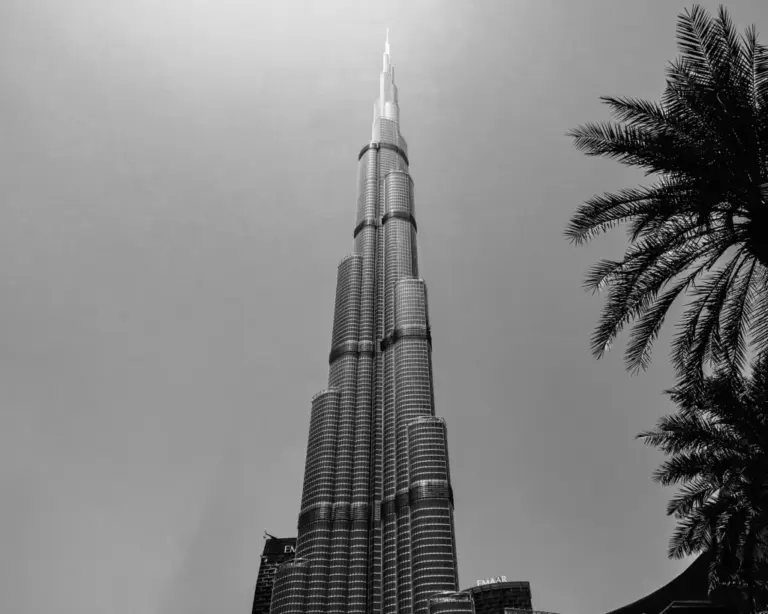
The title of the tallest building in the world is a subject of great interest and pride for many nations, symbolising architectural excellence and innovation. As cities across the globe continue to develop, the pursuit of stretching higher into the sky has become a hallmark of modern engineering. Currently, the Burj Khalifa in Dubai holds the record, reaching a breathtaking height of 828 metres (2,717 feet), attracting millions of tourists and architecture enthusiasts each year.
Burj Khalifa: A Modern Marvel
Completed in 2010, the Burj Khalifa was designed by the architectural firm Skidmore, Owings & Merrill, with Adrian Smith as the lead architect. This skyscraper features 163 floors above ground and two additional levels in the basement. Its design incorporates elements of Islamic architecture, symbolising the cultural heritage of the region.
The building’s construction took six years and involved more than 12,000 workers, with an estimated cost of approximately $1.5 billion. The Burj Khalifa’s impressive height has been achieved through a series of setbacks and a unique Y-shaped plan that maximises views while providing structural integrity.
Significance and Impact
The Burj Khalifa is not just a record-breaking structure; it plays a crucial role in Dubai’s economy and tourism industry. The building houses corporate suites, luxury apartments, and the world-renowned Armani Hotel. It has also become a symbol of Dubai’s rapid development and investment in future growth.
Moreover, the Burj Khalifa has inspired a wave of similar projects, leading many cities worldwide to consider ambitious constructions that could potentially challenge its record. Currently, there are several high-rise projects under construction, such as the Jeddah Tower in Saudi Arabia, designed to exceed the height of the Burj Khalifa.
Conclusion
As the world continues to evolve, the fascination with the tallest building remains timeless. The Burj Khalifa stands as a testament to human ingenuity and ambition. It will be interesting to see how longer-term developments unfold in the competitive world of skyscrapers. Regardless of future records, the Burj Khalifa has cemented its place in history not only as the tallest building but as an iconic representation of modern architecture.