








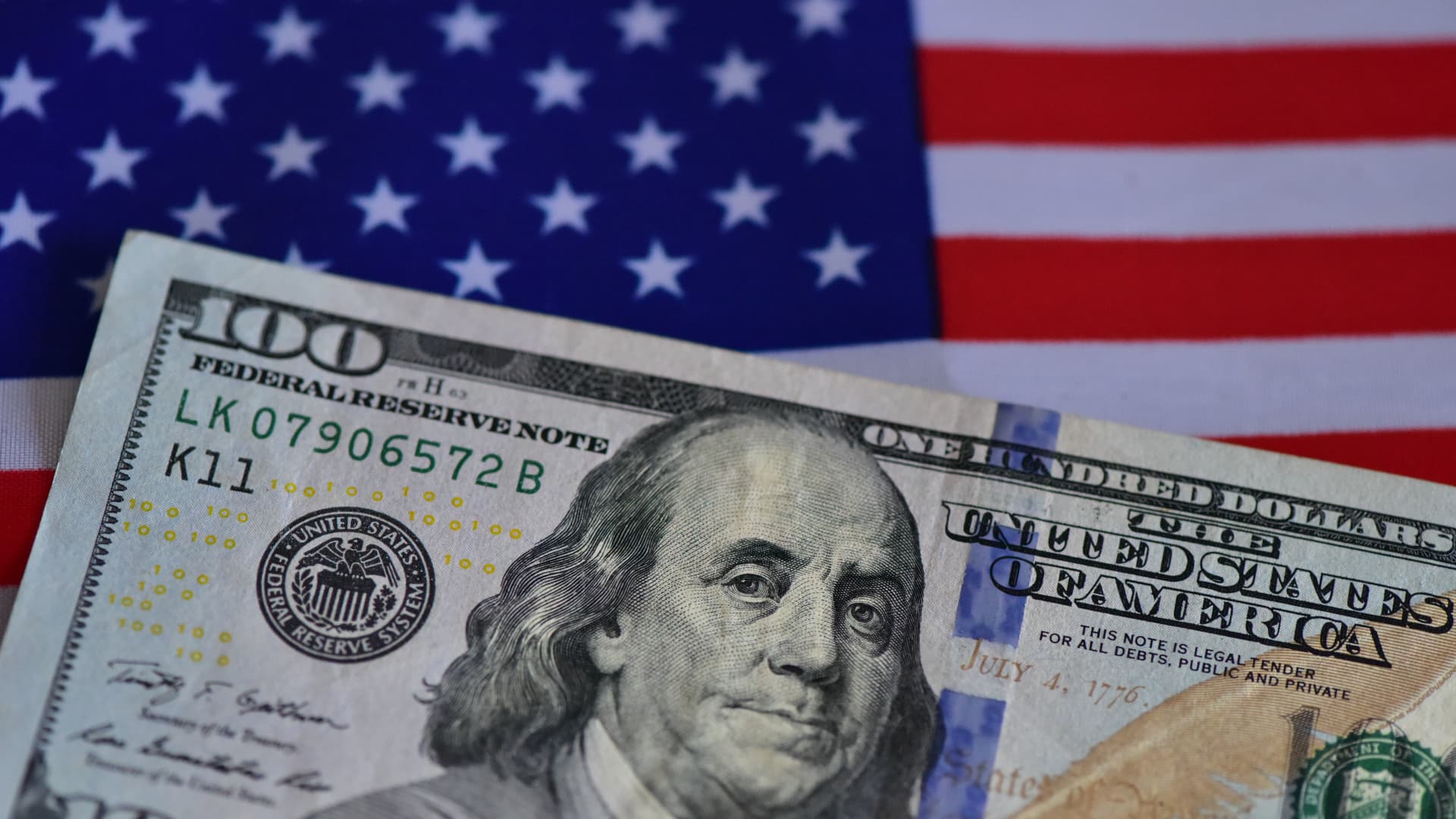
Importance of the US Dollar
The US dollar (USD) is not just the most widely used currency in the United States; it plays a pivotal role in the global economy. As the world’s primary reserve currency, it influences international trade, investment, and financial stability. Following recent economic fluctuations, understanding the trends surrounding the US dollar is crucial for investors, businesses, and policymakers alike.
Current Economic Context
As of September 2023, the US dollar has experienced significant fluctuations due to a combination of interest rate adjustments by the Federal Reserve, inflation rates, and geopolitical tensions. The Federal Reserve’s approach to tackling inflation through interest rate hikes has led to a stronger dollar, which, while beneficial for American consumers, presents challenges for exporters as US goods become more expensive for foreign buyers.
Recent Developments
In recent weeks, the value of the US dollar has showcased resilience, particularly against currencies such as the Euro and the Japanese Yen. This strength can be attributed to ongoing concerns about economic stability in Europe and Asia. Economic data released by the US government has also contributed to positive sentiment around the dollar, with job growth metrics exceeding expectations and GDP growth showing signs of rebound.
Global Impact of the US Dollar
The vitality of the US dollar affects economies worldwide. Nations rely on it for international trade and as a benchmark for foreign exchange transactions. In countries experiencing economic turmoil, the dollar often becomes a safe haven, leading to increased demand and further appreciation of its value. However, this dominance can create significant challenges for developing economies, making it harder for them to compete in global markets.
Forecasts and Future Trends
Looking ahead, analysts predict that the strength of the US dollar may continue as long as the Federal Reserve maintains its current monetary policy. However, any signals of a potential shift, such as an easing of interest rates, could lead to a depreciation of the dollar. Additionally, geopolitical events, including tensions between global powers, could further influence its value. Businesses and investors should prepare for volatility and adjust their strategies accordingly.
Conclusion
The US dollar remains a cornerstone of the global economy, influencing financial decisions and market dynamics both domestically and internationally. Staying abreast of the developments concerning the dollar is vital for anyone engaged in finance or international trade. The upcoming months will be crucial in determining whether the USD will maintain its trajectory or face challenges that could reshape its standing on the world stage.