









Introduction to Prototaxites
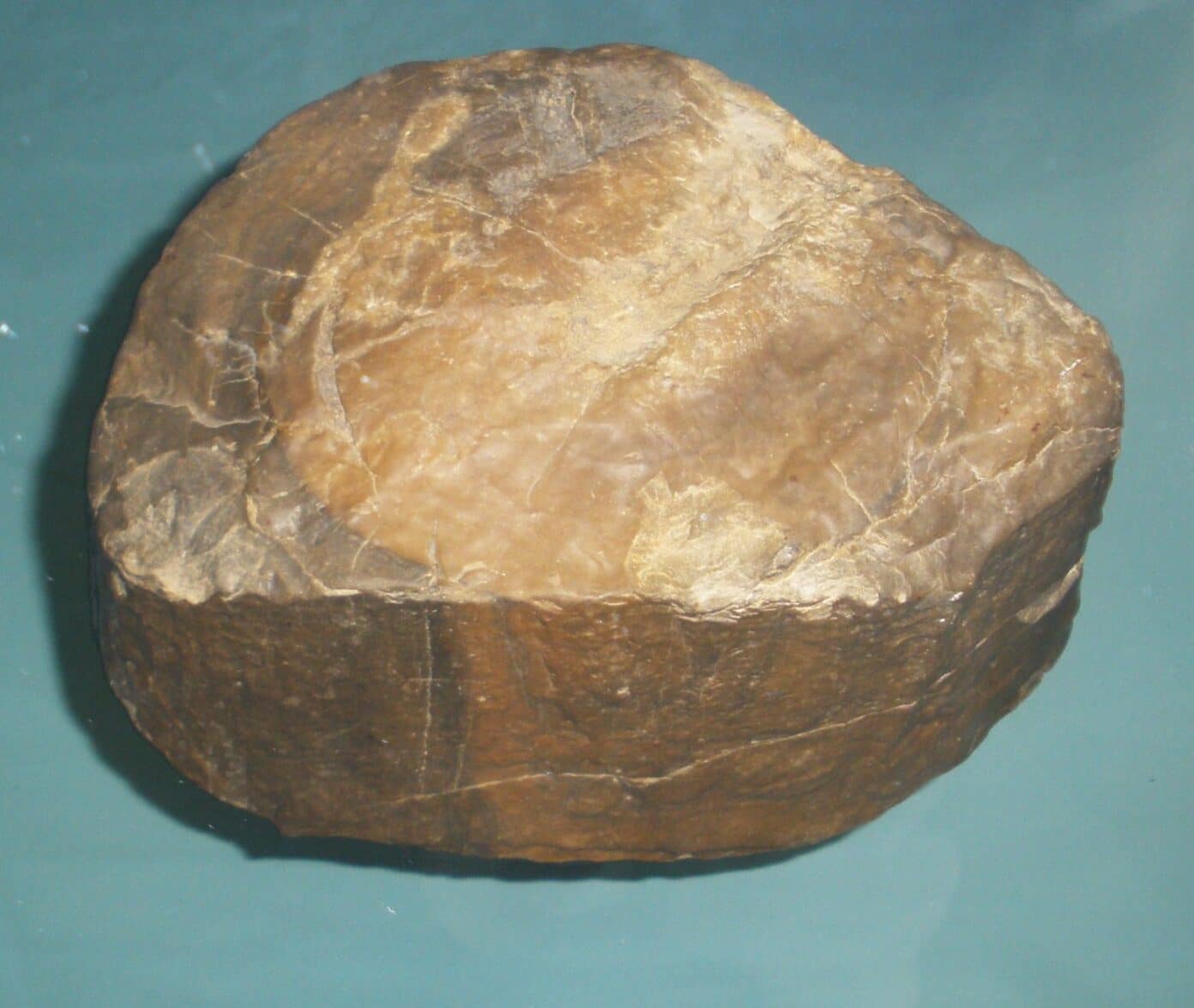
The Prototaxites fossil is a significant topic in the field of paleontology, known for its enigmatic structure and pivotal implications regarding ancient ecosystems. This massive organism, which lived approximately 420 million years ago during the Late Silurian to Early Devonian periods, challenges our understanding of early life on Earth. Its discovery has sparked interest among scientists seeking to unravel the complexities of ancient terrestrial environments.
What is Prototaxites?
First described in 1859, Prototaxites is a unique fossil that resembles a large, tree-like structure often reaching heights of over eight metres. Its classification has been a subject of debate, with hypotheses suggesting it may have been a giant fungal organism, akin to lichens or even a primitive plant. The widespread presence of Prototaxites fossils across multiple continents indicates that these organisms thrived in various prehistoric ecosystems.
Recent Discoveries and Research
Recent studies have bolstered the argument that Prototaxites was a fungal organism. Research published in the journal Nature Communications in early 2023 presented evidence of its growth patterns and potential role in the ecosystem of its time. The study illustrated how Prototaxites might have played a crucial role in carbon cycling and the nutrient dynamics of early terrestrial environments, suggesting interactions with surrounding flora and fauna that were previously unrecognised.
Significance for Modern Science
The implications of understanding Prototaxites are vast for both paleobotany and ecology. By recognising its role in early ecosystems, scientists can draw parallels with contemporary fungi and their crucial functions in maintaining ecological balance. This understanding may inform current environmental management practices and biodiversity conservation efforts, exemplifying the interconnectedness of past and present ecosystems.
Conclusion
The Prototaxites fossil represents more than just a relic from the past; it is a window into the ancient world that provides critical insights into the evolution of life on land. As research continues to unfold, the opportunities to learn from these ancient organisms are immense. Scientists predict that ongoing investigations will yield further discoveries, enhancing our comprehension of the interactions and relationships that have shaped the planet’s biodiversity today.