










Introduction
Vitamin D, often referred to as the “sunshine vitamin,” plays a crucial role in maintaining overall health and well-being. It is vital for calcium absorption, immune function, and mood regulation. With an increasing focus on nutrition and its impact on health, understanding the importance of vitamin D is especially relevant in today’s society, where many people have limited sun exposure due to lifestyle and geographic factors.
Health Benefits of Vitamin D
The primary function of vitamin D is to facilitate calcium absorption in the gut, which is essential for maintaining strong bones and teeth. Studies have shown that adequate levels of vitamin D can help prevent osteoporosis in older adults and reduce the risk of fractures. Furthermore, vitamin D is known for its immune-boosting properties. Research highlights that individuals with sufficient vitamin D levels are less prone to respiratory infections and other diseases.
Additionally, there is growing evidence linking vitamin D deficiency to mood disorders. A lack of this essential nutrient has been associated with an increased risk of depression and anxiety. Ensuring adequate vitamin D levels may support mental health, particularly during the winter months when sunlight exposure is minimal.
Sources of Vitamin D
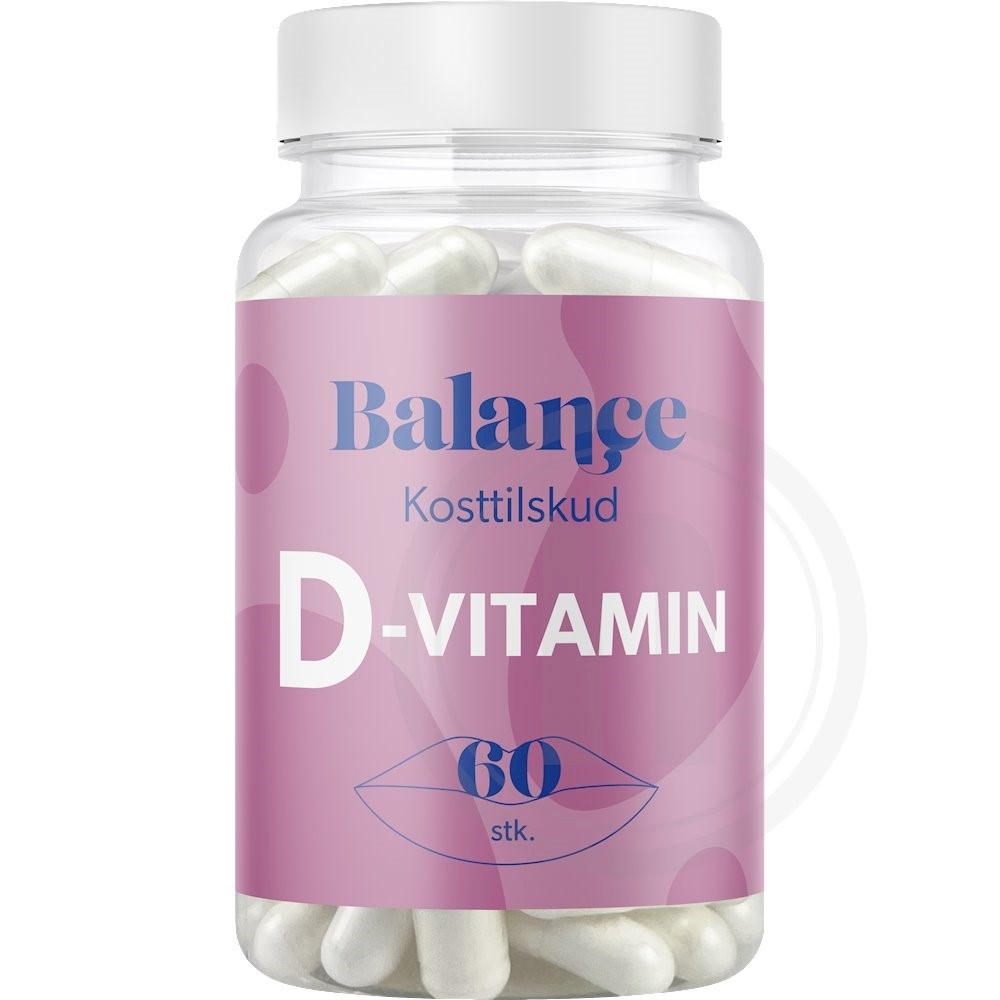
Vitamin D can be obtained through various sources. The body naturally synthesizes vitamin D when the skin is exposed to sunlight. However, factors such as geographical location, skin type, and lifestyle can affect this synthesis. For those who may not receive sufficient sunlight, dietary sources of vitamin D become crucial. Fatty fish, such as salmon and mackerel, fortified foods (like certain dairy products and cereals), and supplements are excellent ways to ensure adequate intake.
Current Recommendations
<pHealth authorities recommend a daily intake of 600 to 800 international units (IU) of vitamin D for most adults. However, individuals with limited sun exposure, darker skin, or aging populations may require higher doses to maintain optimal health. Consulting with a healthcare provider for appropriate testing and supplementation is advised for those concerned about their vitamin D levels.
Conclusion
In conclusion, vitamin D is a vital nutrient that significantly impacts overall health. As many individuals may be at risk of deficiency, awareness and proactive measures such as diet modification, sun exposure, and supplementation are essential to ensure adequate levels. Given its role in bone health, immune function, and mental well-being, maintaining sufficient vitamin D levels is crucial for a healthy and active lifestyle.