










Introduction
The Isle of Lewis, located in Scotland’s Outer Hebrides, is a destination that combines breathtaking landscapes with a rich tapestry of history and culture. Its importance lies not only in its stunning natural beauty but also in its unique cultural heritage, making it a significant site for both local residents and tourists seeking to explore the Scottish Highlands.
Historical Significance
The island is home to some of the most well-preserved ancient sites in Scotland, including the famous Callanish Standing Stones, which date back to around 3000 BC. These stones, located on the west side of the island, are often compared to Stonehenge for their mystique and historical relevance. In addition to its prehistoric sites, Lewis has a rich Viking history, evidenced by archaeological finds and Norse place names scattered across the island.
Natural Beauty and Wildlife
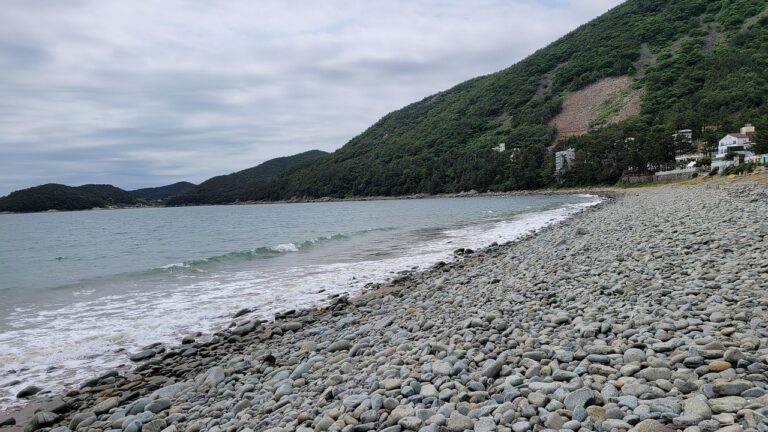
Aside from its historical sites, the Isle of Lewis boasts stunning landscapes, including rugged cliffs, sandy beaches, and sprawling moorlands. The island’s diversity of habitats supports a wide array of wildlife, making it an ideal spot for nature enthusiasts. Birdwatchers can find species such as puffins and eagles, while those interested in marine life can explore the rich waters surrounding the island, which are home to seals, dolphins, and even whales at certain times of the year.
Local Culture and Community
The culture of the Isle of Lewis is deeply influenced by its Gaelic heritage. The island is predominantly Gaelic-speaking, and visitors can experience the local culture through traditional music, dance, and crafts. Annual events such as the Hebridean Celtic Festival showcase the island’s artistic talents and draw attendees from around the world. Furthermore, local artisans produce Harris Tweed, a fabric that has gained international acclaim and is emblematic of the island’s craftsmanship.
Tourism and Future Prospects
Tourism on the Isle of Lewis has been growing steadily, with increasing interest from visitors seeking an authentic experience of Scottish culture and natural beauty. The local economy is increasingly reliant on tourism, with businesses expanding to accommodate visitors. However, sustainable development is essential to preserving the island’s delicate ecosystems and cultural heritage. Plans are being discussed to enhance transport links and promote eco-friendly tourism practices in the area.
Conclusion
In summary, the Isle of Lewis stands out as a remarkable destination offering a blend of history, culture, and natural beauty. Its significance extends beyond stunning landscapes, serving as a vital centre for Gaelic culture and heritage. As tourism continues to develop sustainably, the island is poised to attract more visitors while preserving its unique character and ecological richness for future generations.