










Introduction
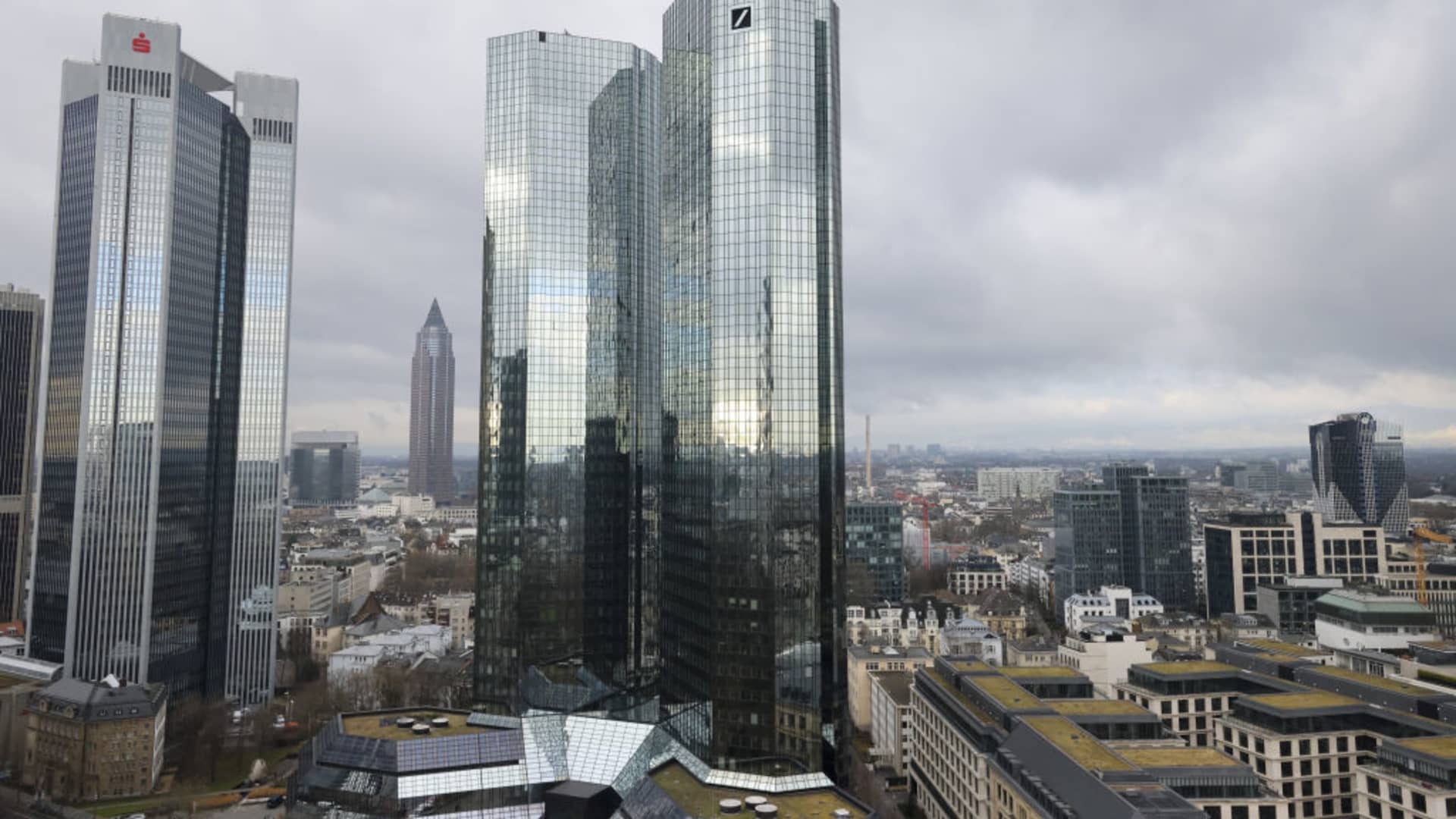
Deutsche Bank AG, a leading global investment bank and financial services company, continues to play a significant role in the financial landscape of Europe and beyond. Established in 1870, its importance has only grown over the decades, serving clients across various sectors. Recently, Deutsche Bank has been in the spotlight due to a series of strategic shifts and market reactions that could have lasting implications for the banking industry.
Recent Developments
In October 2023, Deutsche Bank announced the appointment of a new Chief Financial Officer, a move believed to signal a new strategic era for the bank. This decision comes as the bank aims to improve its financial stability and regain investor confidence after years of losses and restructuring efforts. Analysts have noted that the selection of a CFO with a strong international background indicates the bank’s intention to strengthen its global presence.
Additionally, Deutsche Bank has recently unveiled its plan to cut costs by approximately €2 billion through various efficiency measures. These measures are expected to impact various divisions, seeking to streamline operations in light of current economic challenges, including inflation and geopolitical tensions that have pressured many European banks.
In parallel, the bank’s recent quarterly earnings report showed a modest increase in revenues. CEO Christian Sewing expressed optimism over the bank’s transformation strategy, highlighting the importance of a robust risk management framework and the expansion into sustainable finance. The latter has attracted considerable attention, with Deutsche Bank committing to align its financing activities with the goals of the Paris Agreement.
Impact on the Financial Sector
These developments at Deutsche Bank have sparked discussions regarding the broader implications for the European banking sector. The bank’s focus on efficiency and sustainable finance could encourage other institutions to follow suit, potentially shifting the regulatory landscape towards greener practices. Financial analysts suggest that Deutsche Bank’s proactive approach to digital transformation may also set a precedent for competitors facing similar challenges in a rapidly evolving financial environment.
Conclusion
Deutsche Bank’s recent strategic developments are critical not just for its own future but for the wider financial ecosystem. As it navigates these changes, stakeholders will be observing its performance closely, particularly in how its restructuring efforts influence profitability and market share. The bank’s commitment to sustainability, alongside cost-cutting measures, may well position it as a leader in the shift towards more resilient and responsible banking practices. Looking ahead, the next few quarters will be pivotal in determining whether Deutsche Bank can fulfil its ambitious vision or if it will continue to grapple with its legacy issues.