









Introduction
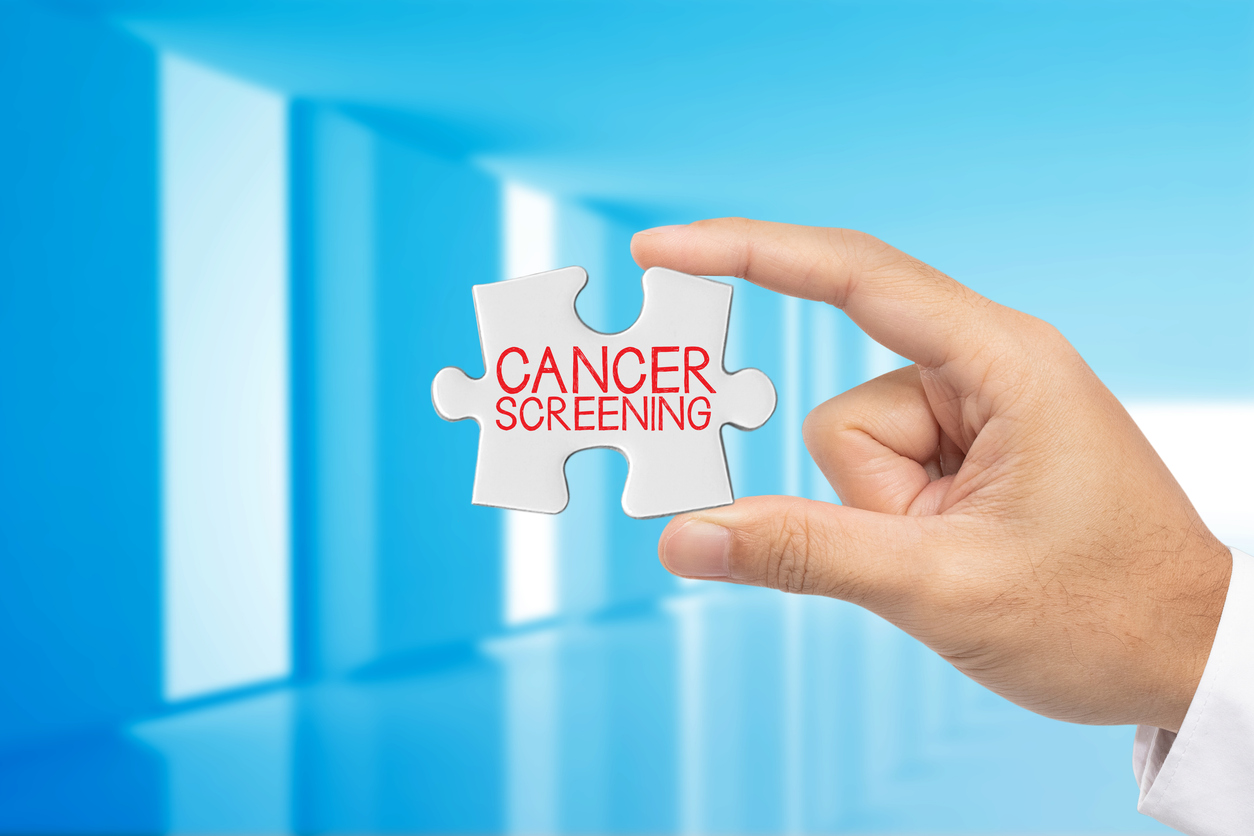
Cancer screening is an essential aspect of modern healthcare, aimed at detecting cancer at its earliest stages when treatment is most effective. With cancer being one of the leading causes of mortality worldwide, timely screening can make a significant difference in survival outcomes. As healthcare systems around the globe continue to address the challenges posed by various cancers, the importance of regular screening cannot be overstated.
The Current Landscape of Cancer Screening
According to recent reports from the World Health Organization (WHO), global cancer rates have been on the rise, with estimates suggesting that there will be over 29 million new cancer cases by 2040. This alarming trend underscores the necessity for effective screening programs. Key screenings include mammograms for breast cancer, colonoscopies for colorectal cancer, and Pap tests for cervical cancer. The National Health Service (NHS) in the United Kingdom has made strides in promoting these screenings, encouraging eligible populations to participate.
Recent Developments in Screening Programs
In recent months, there have been notable advancements in cancer screening technologies. For instance, more health systems are adopting liquid biopsies, which can detect cancer markers in the blood, offering a less invasive alternative to traditional methods. Additionally, the COVID-19 pandemic had a significant impact on cancer screening rates as many people postponed routine checks. However, healthcare providers are now witnessing a gradual return to normal, with increased outreach programs aimed at encouraging individuals to reschedule missed screenings.
Challenges and Future Directions
Despite the advancements, several challenges remain. Disparities in access to screening based on socioeconomic status, geographic location, and healthcare availability hinder many from receiving timely checks. Moreover, misinformation surrounding screenings can lead to hesitancy among populations. As a result, public health messages are crucial in educating communities about the benefits of cancer screening. Moving forward, integrating artificial intelligence in screening processes could further enhance the accuracy and efficiency of results, paving the way for a new era in cancer detection.
Conclusion
Cancer screening is invaluable in the fight against cancer, enhancing early detection and improving overall survival rates. As technologies advance and screening programmes become more accessible, it is essential for individuals to stay informed and proactive about their health. By prioritising cancer screening, society can significantly reduce the burden of cancer and save countless lives in the process.