










Introduction
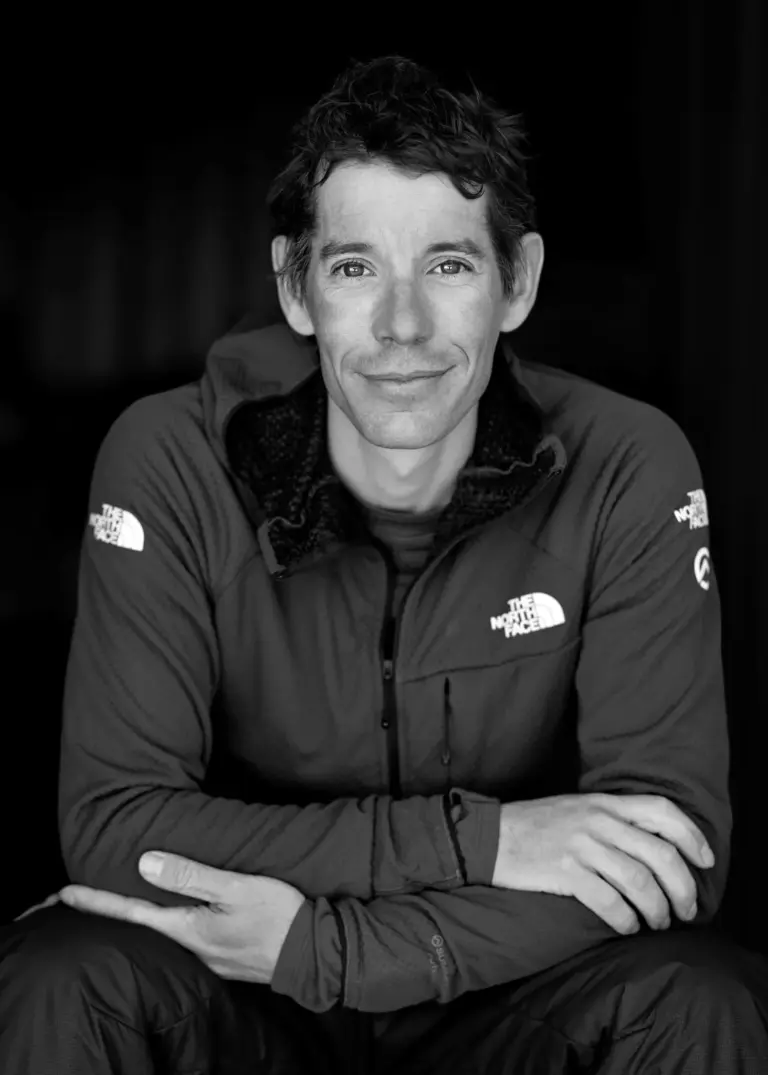
Alex Honnold has become a household name in the climbing community and beyond, famously known for his free solo ascents, particularly of El Capitan in Yosemite National Park. His daring climbs not only showcase incredible physical prowess but also raise important discussions around risk, mental health, and the extremes of human capability. As climbing continues to gain mainstream attention, understanding Honnold’s contributions and experiences is vital for both outdoor enthusiasts and the general public.
Achievements and Notable Climbs
In 2017, Honnold completed his most famous ascent by free soloing the 900-metre face of El Capitan, a feat that required not only peak physical strength but also immense mental focus and preparation. This accomplishment was immortalised in the documentary “Free Solo,” which won an Academy Award for Best Documentary Feature and significantly increased awareness of climbing as a sport. Beyond El Cap, Honnold has also tackled numerous other challenging routes worldwide, pushing the boundaries of what climbers thought possible.
The Philosophy Behind His Climbing
Honnold’s approach to climbing is not solely about conquering heights; it also integrates a perspective focused on sustainability and the environment. He advocates for responsible climbing practices and often highlights the importance of preserving natural spaces. His non-profit organisation, the Honnold Foundation, supports renewable energy initiatives and promotes sustainable living, reflecting his values both in and out of the climbing community.
Public Perception and Influence
While Honnold’s achievements have garnered him a massive fan base and respect among climbers, they have also sparked debates about the ethics of free soloing and the perception of risk in extreme sports. Some argue that Honnold’s climbs encourage recklessness, especially among inexperienced climbers who may misinterpret his skills and mental conditioning. Conversely, his story serves as an inspiring narrative of human potential, resilience, and pursuing passion despite the inherent risks.
Conclusion
Alex Honnold’s influence on climbing and outdoor culture goes beyond mere athleticism. As a symbol of dedication and adventure, he encourages both climbers and non-climbers alike to appreciate nature and challenge their limits. Looking ahead, Honnold aims to continue his ascents while promoting sustainability in climbing practices, ensuring that the beauty of our natural landscapes endures for generations to come. His journey, marked by thrilling ascents and philosophical reflections, epitomises the spirit of adventure in modern times.