










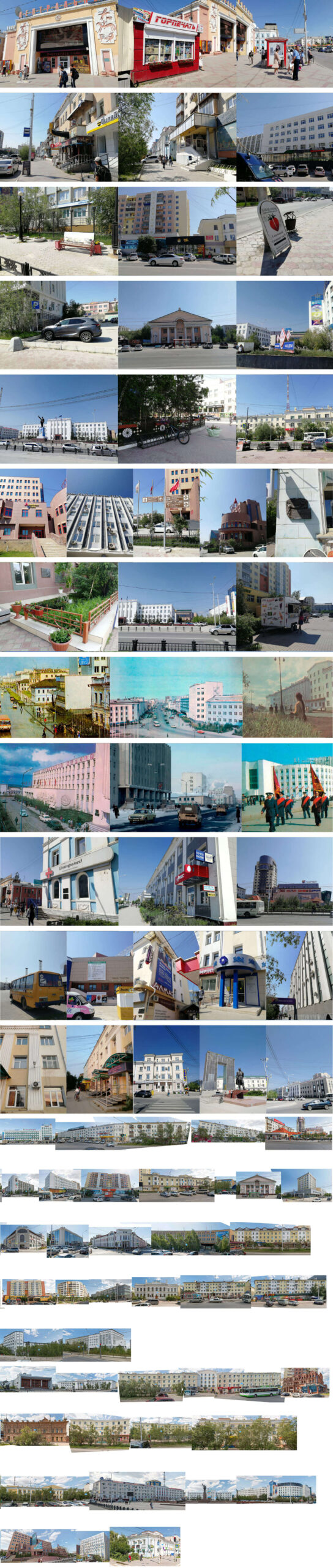
Introduction
Yakutsk, the capital of the Sakha Republic in Russia, is renowned for holding the title of the coldest city on Earth. With winter temperatures plummeting to an average of -30°C (-22°F) and sometimes even lower, the city challenges perceptions of inhabitable regions. Understanding Yakutsk’s climate, culture, and resilience offers insights into human adaptation in extreme environments, making it an important topic for both geographical and cultural exploration.
The Climate of Yakutsk
Yakutsk stands on the banks of the Lena River, in a part of the world that experiences extreme continental climate. Winters are long and harsh, lasting from October to April. The average yearly temperature hovers around -8.5°C (16.7°F), with January being the coldest month. The city’s residents have adapted to these frigid conditions through innovative heating solutions, maintaining a lifestyle that seems remarkable to outsiders.
Living in Extreme Conditions
Despite its harsh climate, Yakutsk is home to over 300,000 people, who have developed a unique resilience towards the bitter cold. Buildings are constructed to withstand the icy conditions, including permafrost-resistant foundations. Local traditions and modern amenities combine to create a community that thrives even in the face of adversity. Schoolchildren routinely attend classes in temperatures below -40°C (-40°F), showcasing their determination and adaptability.
Cultural Significance and Tourism
The rich culture of Yakutsk is reflected in its museums, heritage sites, and festivals celebrating the unique traditions of the Sakha people. The city boasts attractions such as the Mammoth Museum and the Republic of Sakha National Museum, drawing visitors interested in understanding the region’s history and natural wonders. While tourism may be lower during the coldest months, visitors are increasingly drawn to experiences like ice fishing, winter festivals, and the breathtaking northern lights visible in the skies above.
Conclusion
Yakutsk represents more than just a geographical point on a map; it embodies human resilience against one of nature’s starkest challenges. The culture, traditions, and day-to-day life in this coldest city offer a fascinating lens through which to view human adaptability. As climate patterns evolve, Yakutsk’s significance may also change, serving as a case study in how communities can not only survive but thrive in extreme environments. For tourists and researchers alike, Yakutsk offers a compelling destination that challenges conventional ideas of habitation and community.