









Introduction
Namibia, located in the southwest region of Africa, is a nation renowned for its breathtaking landscapes, diverse wildlife, and rich cultural heritage. Its significance extends beyond tourism, as Namibia plays an essential role in the ecological and geological narratives of the region. With a growing emphasis on sustainable tourism and conservation efforts, Namibia beckons travelers and researchers alike to explore its unique offerings.
The Geography and Natural Wonders
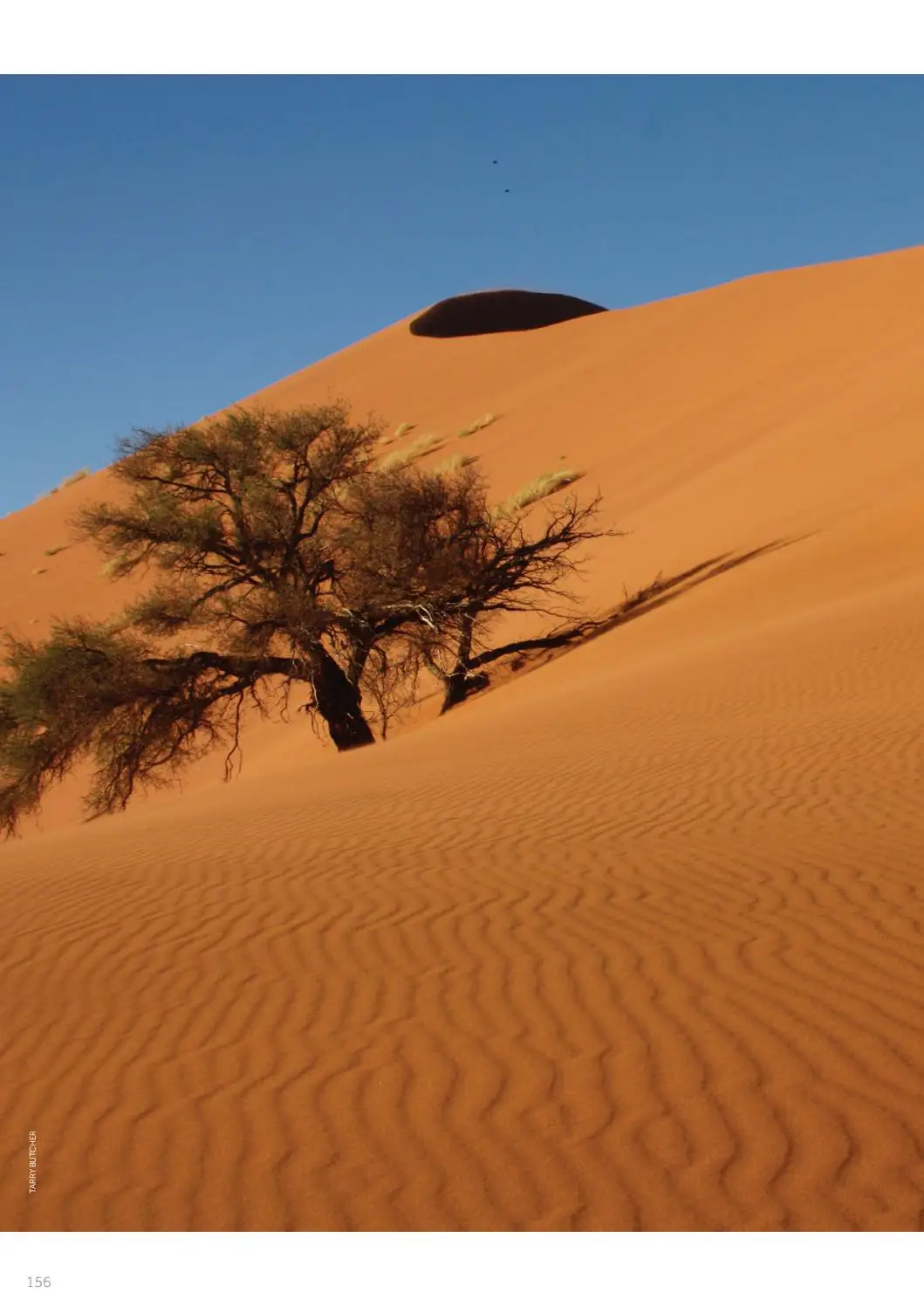
Namibia is characterised by dramatic landscapes, from the Namib Desert’s towering sand dunes to the lush wetlands of the Okavango River within the Caprivi Strip. The country boasts the world’s oldest desert, the Namib, which is home to iconic sites such as Sossusvlei and Dead Vlei. Wildlife enthusiasts can marvel at the vast game reserves, including Etosha National Park, where visitors can spot a diverse array of animals, including elephants, lions, and rhinoceroses. The staggering variety of ecosystems makes Namibia one of the most biodiverse countries in Africa.
Cultural Heritage
Rich in cultural diversity, Namibia is home to several ethnic groups, including the Himba, San, and Ovambo. Each group contributes to the vibrant tapestry of traditions, languages, and art forms. The Himba people, known for their distinctive dress and semi-nomadic lifestyle, offer cultural experiences that attract visitors seeking authentic interactions. The capital city, Windhoek, reflects a mix of colonial and modern influences, providing a glimpse into the country’s history while serving as a hub for art and cuisine.
Current Developments and Tourism Trends
In recent years, Namibia has experienced a surge in eco-tourism, emphasising conservation and responsible travel. The government has introduced initiatives to preserve wildlife and natural habitats, which has garnered attention from global organisations aimed at sustainable development. Moreover, the country’s commitment to reducing plastic use and protecting its environment aligns with international sustainability goals, attracting eco-conscious travellers. As of 2023, travel advisories have been lifted significantly, encouraging international tourists to explore Namibia.
Conclusion
Namibia continues to emerge as a prominent destination for travellers seeking adventure, culture, and scenic beauty. Its unique landscapes and commitment to conservation resonate with the growing demand for sustainable travel options. For those considering their next vacation or an educational expedition, Namibia promises to deliver unforgettable experiences that reflect its wonders. As the country continues to develop its tourism sector, forecasts suggest an increase in international visitors, strengthening its position as a key player in African tourism by 2025.