










Introduction
The National Theatre, based in London, is one of the most prominent cultural institutions in the United Kingdom. Established in 1963, it has played a crucial role in promoting theatre arts, bringing high-quality productions to the public, and nurturing new talent within the industry. The significance of the National Theatre extends beyond its stage performances; it serves as a beacon for creativity, community engagement, and educational initiatives, making it an influential entity in the cultural landscape of the UK.
Recent Events and Highlights
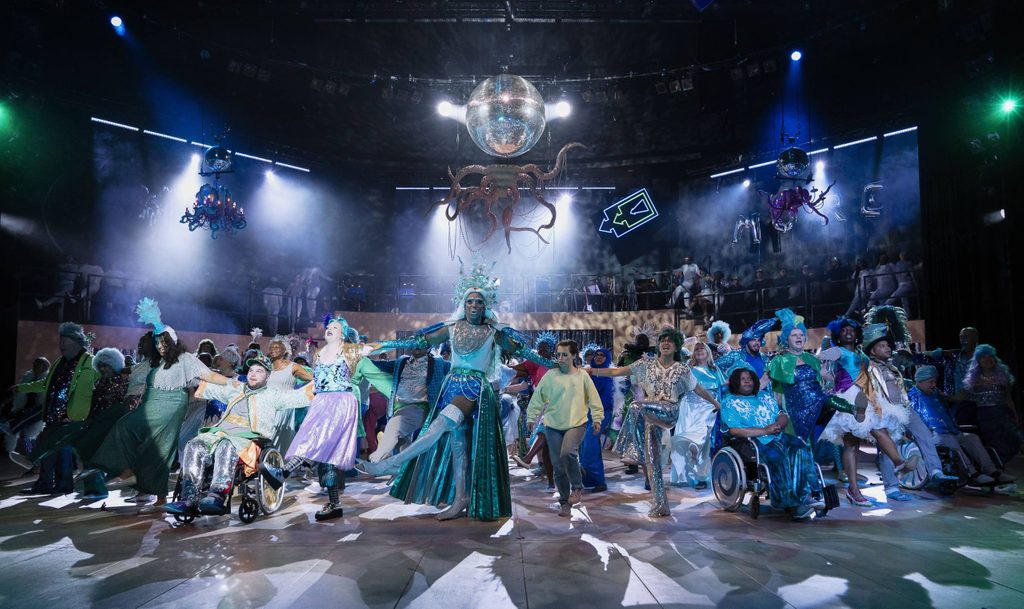
In 2023, the National Theatre has continued to showcase an impressive line-up of productions, captivating audiences with both classic plays and innovative new works. Recent performances have included adaptations of timeless literature, such as a modern interpretation of Shakespeare’s “Hamlet,” alongside original plays that reflect contemporary societal issues. Furthermore, the theatre made headlines with its launch of the “NT at Home” series, which provides digital access to live performances and recorded plays, thus widening its reach and engagement with audiences beyond the physical venue.
Community Engagement and Education
A key aspect of the National Theatre’s mission is its commitment to accessibility and community involvement. The theatre runs a variety of outreach programmes aimed at schools and local communities, helping to foster a love of the arts and encourage participation in theatre-making. This includes workshops, classes, and projects aimed at young people, which have proven to be instrumental in developing future generations of theatre practitioners and audiences.
The Importance of the National Theatre
The National Theatre’s role as a cultural institution cannot be overstated. It is not just a venue for performances; it is a hub that brings together diverse voices and stories, challenging societal norms and sparking important conversations among audiences. With its continued focus on innovation, partnerships with local theatres, and an emphasis on inclusivity, the National Theatre is positioned to navigate the constantly evolving landscape of the performing arts.
Conclusion
As we move forward, the National Theatre’s sustained commitment to high-quality productions, community engagement, and educational initiatives signifies its vital presence in the arts sector. Its evolving approach, especially in the wake of challenges posed by the COVID-19 pandemic, reaffirms the theatre’s adaptability and relevance in today’s cultural dialogues. With exciting future projects on the horizon, the National Theatre is expected to remain a central figure in enriching the nation’s arts scene for years to come.