










Introduction
The Nipah virus, a zoonotic pathogen first identified in 1999, has resurfaced in 2023, raising alarm among health officials worldwide. Known for its high fatality rate, the virus poses significant public health challenges, prompting urgent preventive measures in affected regions. With a mortality rate ranging from 40% to 75%, depending on the outbreak, understanding its implications is crucial for global health security.
Current Outbreak Details
Recently, several cases of Nipah virus infection were reported predominantly in parts of India and Bangladesh. The World Health Organization (WHO) reported a total of 54 confirmed cases, with 32 fatalities, highlighting the gravity of the situation. Health authorities have traced the recent infections to fruit bats, the primary reservoir for the virus, and have stressed the importance of monitoring these animals to prevent further transmissions.
Additionally, the viral outbreaks have been linked to cases of encephalitis and respiratory distress in infected individuals. Symptoms often appear 5-14 days after exposure, starting with fever, headache, and vomiting, which can swiftly progress to neurological complications.
Preventive Measures and Response
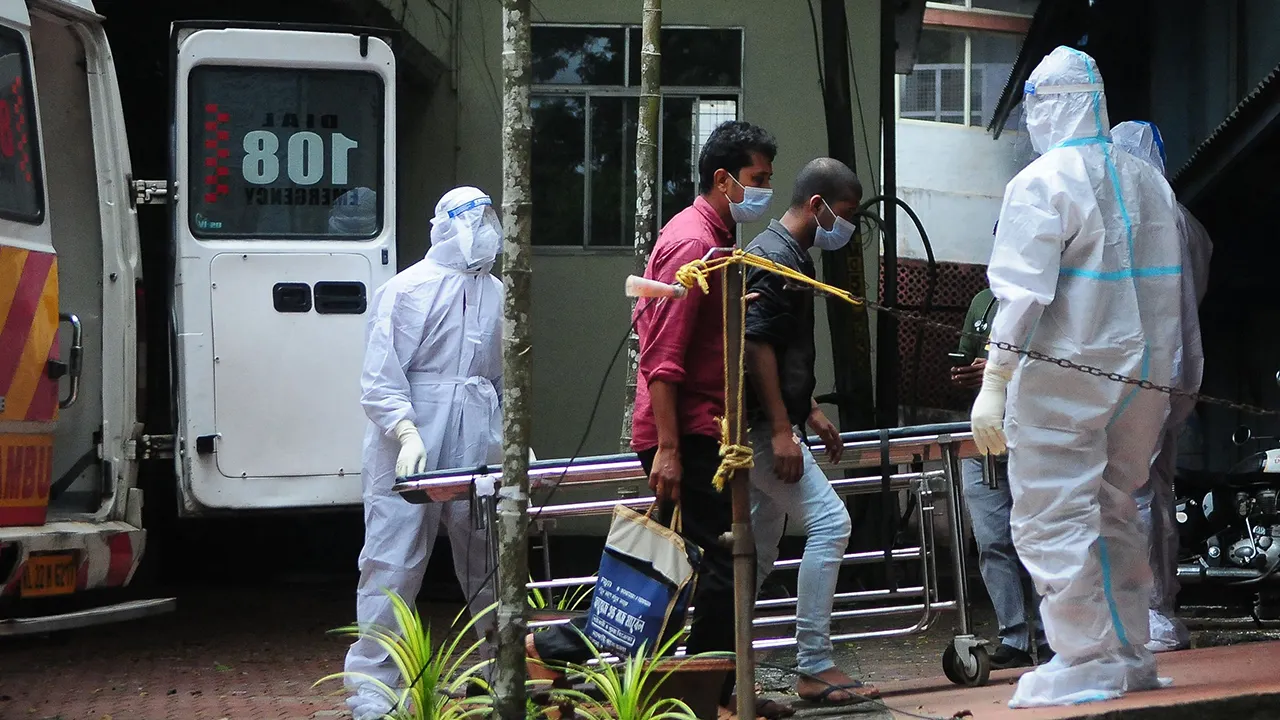
In response to this outbreak, local governments have imposed strict containment measures, including the quarantine of affected individuals and the culling of animals suspected to carry the virus. Public health campaigns aim to educate communities about the dangers of consuming raw date palm sap and the need for proper sanitation around bat habitats.
Internationally, health agencies are on high alert, collaborating with local governments to monitor the situation closely. The WHO urges increased surveillance and rapid response protocols to contain the virus’s spread. Vaccination trials for the Nipah virus are underway, which could provide a critical tool in managing future outbreaks.
Conclusion
The ongoing Nipah virus outbreak serves as a stark reminder of the challenges posed by zoonotic diseases in a globalised world. It underscores the need for enhanced surveillance and a coordinated approach to public health response to mitigate potential risks. As research efforts continue and public health strategies evolve, it is imperative for stakeholders to remain vigilant and prepared for future outbreaks. With the right measures in place, the threat of Nipah virus can be effectively managed and contained, ensuring the safety and health of affected populations.