Introduction
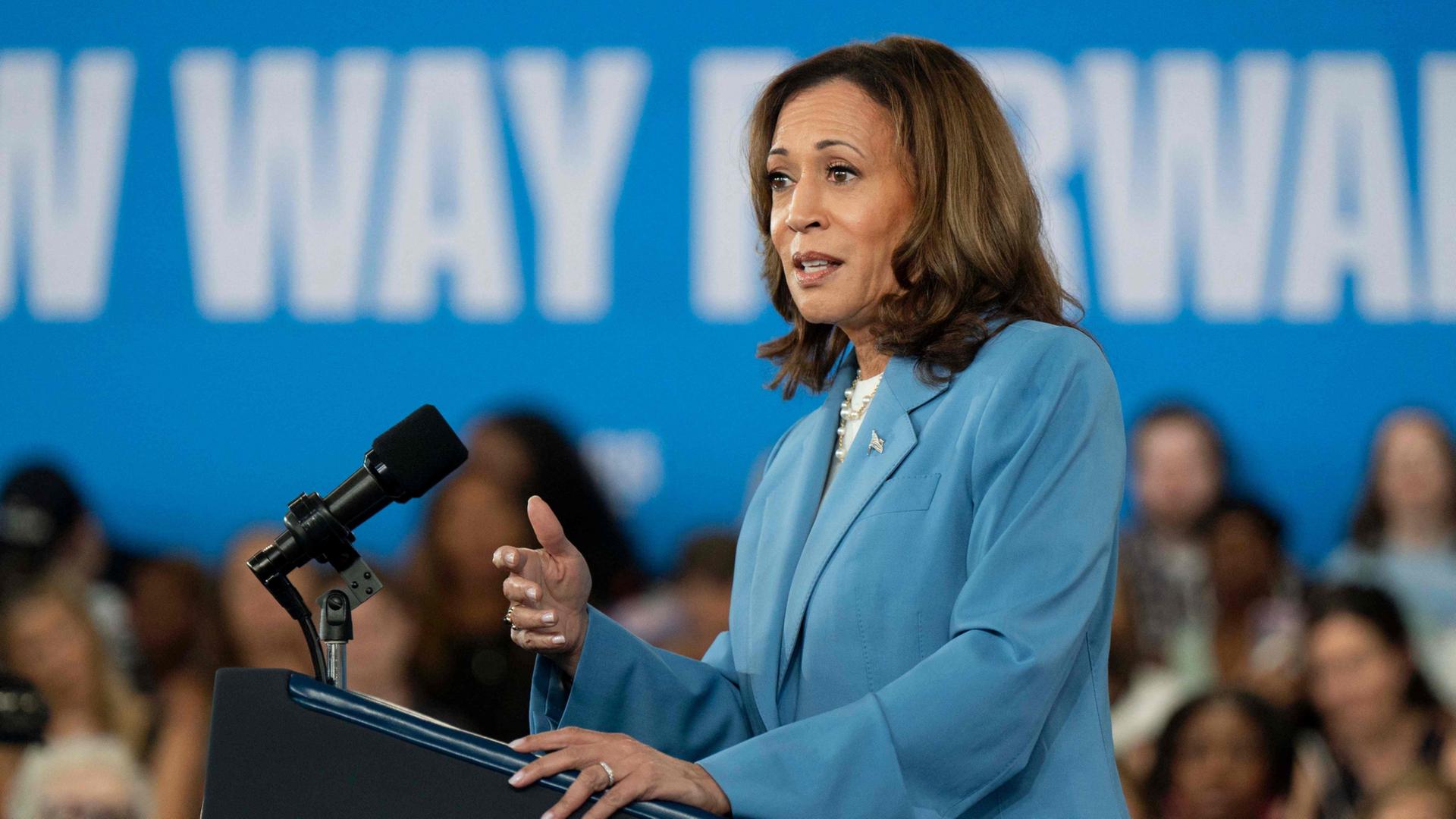
Kamala Harris made history as the first female Vice President of the United States and the first woman of African American and Indian descent to hold the office. Her ascent to the second-highest office in the country has significant implications, not only for diversity and representation in politics but also for the broader dialogue surrounding women’s rights and equal representation in governmental roles. Understanding her contributions and challenges is vital in comprehending the current political landscape and the ongoing evolution of American leadership.
Career Progression
Before her vice presidency, Kamala Harris served as a U.S. Senator from California and was known for her progressive policies on issues such as immigration reform, healthcare access, and criminal justice reform. With her background as a former attorney general and district attorney, Harris brought a unique perspective to the Senate, focusing on legislation aimed at equity and justice. Her experiences have positioned her to address complex issues within the Biden administration, particularly in the areas of civil rights and social justice.
Key Initiatives and Contributions
Since taking office on January 20, 2021, Harris has been actively involved in initiatives including the COVID-19 relief efforts and climate change action. One significant achievement has been her advocacy for the American Rescue Plan, aimed at providing economic relief to families and supporting vaccine distribution across the nation. Harris has also played a crucial role in international relations, especially in areas concerning diplomacy and humanitarian issues. In her travels and engagements, she has consistently advocated for democratic values and human rights, amplifying the United States’ commitment to these principles globally.
Challenges and Criticism
Despite her achievements, Harris has faced criticism from various quarters. Some progressives argue that her actions in the Senate, particularly regarding law enforcement policy, do not align with the expectations of a politician advocating for criminal justice reform. Furthermore, her visibility and accessibility have sometimes been scrutinised, especially in her handling of immigration issues. These challenges underline the complex balancing act she must navigate between various political factions and her responsibilities as a vice president.
Conclusion
Kamala Harris’s tenure as Vice President marks a significant chapter in American political history, highlighting the ongoing struggles and progress towards representation and equality. Her role in shaping policies and leading initiatives will continue to influence the Democratic Party and the nation at large. As she navigates the complexities of her office, observers will keenly watch how her leadership potentially reshapes not just the government but also societal perspectives on women and minority leadership in the United States.