Introduction
Martin Luther King Jr. remains one of the most significant figures in the history of civil rights and social justice in the United States and worldwide. His philosophy of non-violent protest transformed the landscape of American society and inspired global movements aimed at achieving equality and human rights. As we reflect upon his life and contributions, especially during periods of social upheaval and the ongoing struggles for racial equality, it is essential to understand the relevance of King’s message today.
Main Body
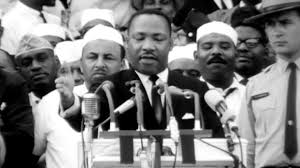
Martin Luther King Jr. was born on January 15, 1929, in Atlanta, Georgia. He became a prominent leader in the American Civil Rights Movement, advocating for peaceful resistance to segregation and racial discrimination. His famous “I Have a Dream” speech, delivered during the 1963 March on Washington, encapsulated his vision for a racially integrated and harmonious America.
Over the years, King’s activism faced considerable challenges, yet he persisted, organizing impactful campaigns like the Montgomery Bus Boycott and the Birmingham Campaign. His efforts not only mobilised thousands of Americans but also garnered national attention, leading to significant legislative changes, including the Civil Rights Act of 1964 and the Voting Rights Act of 1965.
Recently, in 2023, various commemorative events have taken place to honour King’s legacy as the nation celebrates Martin Luther King Jr. Day. Educational institutions, community organisations, and civic leaders have held discussions and workshops aimed at addressing ongoing racial inequalities that echo King’s fight for justice. A significant focus this year has been the intersection of King’s teachings and current issues such as systemic racism, police brutality, and economic disparity.
Conclusion
Martin Luther King’s message continues to resonate profoundly in contemporary society. His emphasis on non-violent activism remains a lifeline for movements like Black Lives Matter, which address systemic racism and police violence. As society continues to confront inequalities, understanding King’s unwavering commitment to justice and equality provides hope and guidance for current and future generations. The work King championed is far from finished; his vision for a fair and just society calls us all to action. Reflecting on his life urges us to ask: how can we continue his legacy in our own communities?