Introduction
Fascism has resurfaced as a significant topic of discussion in contemporary politics, as various parts of the world have seen a rise in authoritarian regimes and extremist ideologies. Defined as a far-right, authoritarian ultranationalism marked by dictatorial power, suppression of opposition, and strong regimentation of society and the economy, understanding fascism is crucial to recognising its threats to democracy and social cohesion. This article delves into the key aspects of fascism, its historical roots, and its modern-day implications.
The Historical Context of Fascism
Emerging in the early 20th century, fascism gained prominence in Europe following World War I. The most notorious examples include Mussolini’s Italy and Hitler’s Nazi Germany. These regimes unified segments of the population through nationalist propaganda, exuding a sense of national pride while simultaneously dehumanising minorities and political opponents. The principles of fascism often revolved around anti-communism, militarism, populism, and the belief in a strong leader capable of safeguarding national interests.
Modern Resurgence of Fascist Ideologies
In recent years, several nations have witnessed the rise of political leaders and movements that echo fascist rhetoric and tactics. From the United States to Brazil and Hungary, populist leaders have constructed narratives that demonise immigrants, undermine traditional democratic institutions, and reject progressive social ideals. The resurgence of these far-right ideologies is often attributed to economic instability, social fragmentation, and the globalisation backlash experienced by many working-class citizens.
Furthermore, social media has played a pivotal role in the dissemination of fascist ideas, allowing for the rapid spread of misinformation and propaganda that can galvanise extremist support. The global response includes widespread protests and the growing influence of counter-movements advocating for inclusivity, diversity, and human rights.
Conclusion: The Ongoing Battle Against Fascism
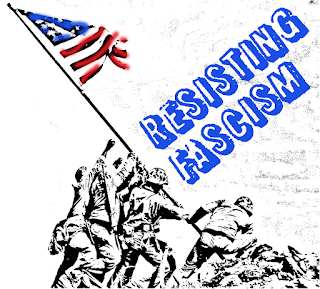
Recognising and understanding fascism is essential for preserving democracy and protecting human rights. The historical instances of fascism serve as a cautionary tale against rising authoritarian sentiments and the erosion of civil liberties. As societies become more polarized, vigilance is necessary to advocate for democratic principles and resist extremist ideologies. The challenges posed by modern-day fascism compel citizens, policymakers, and global leaders to remain engaged and informed as they navigate the complexities of contemporary governance and civil rights.