Introduction
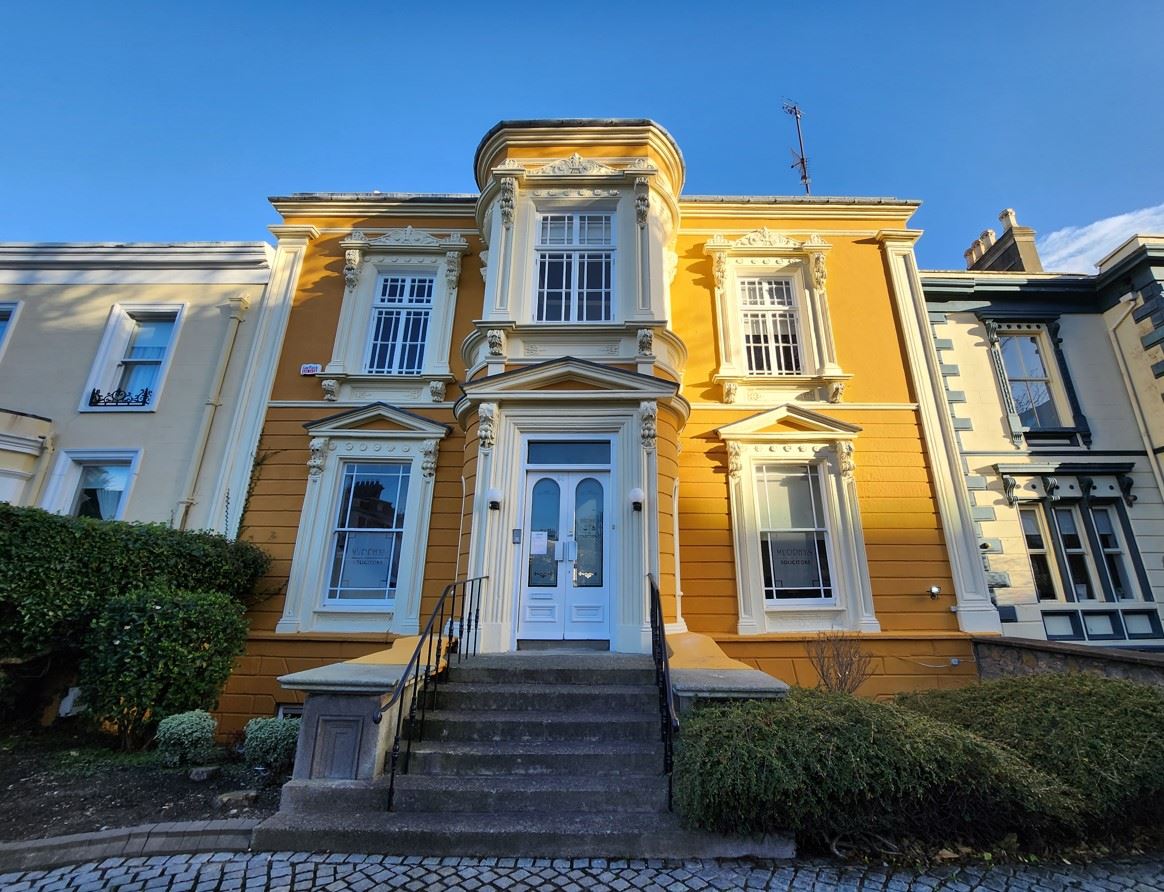
Clarence House, located in the heart of London, has long served as a residence for members of the British royal family. As a significant royal estate, its architectural beauty and historical relevance make it an essential topic for understanding the heritage of the monarchy.
Historical Significance
Constructed in 1825, Clarence House was initially built for the then Duke of Clarence, later King William IV. The house has undergone various renovations and royal modifications over the years, adding to its splendour and historical importance. Following the death of King George VI in 1952, it became the official London residence of Queen Elizabeth The Queen Mother until her passing in 2002.
Current Use by the Royal Family
Today, Clarence House serves primarily as the official residence of King Charles III when he is in London. The house is not only a residence but also a venue for official events and receptions, signifying the monarchy’s role in contemporary British society. It is known for hosting dignitaries and heads of state, contributing to diplomatic relations and fostering international connections.
Architectural Features and Public Engagement
From its charming garden to its grand state apartments, Clarence House showcases exquisite architecture and interior design. The gardens, designed by the renowned landscape architect, Thomas Mawson, offer a serene environment in the bustling city. Although Clarence House is not as open to the public as other royal residences such as Buckingham Palace, it is occasionally accessible during specific events or exhibitions, allowing the public to the appreciate its rich history and beauty.
Conclusion
As Clarence House continues to be a pivotal part of the British royal family’s narrative, its significance extends beyond just being a residence. It embodies royal history, welcomes international dignitaries, and serves as a reminder of the lineage and traditions of the monarchy. Looking ahead, Clarence House will remain an essential symbol of Britain’s cultural heritage, bridging the past with the future as it adapts to contemporary royal duties.