









Introduction
Water is a fundamental resource for life on Earth, essential for human survival, agriculture, and industry. With the ongoing effects of climate change, population growth, and pollution, the importance of water conservation has become increasingly crucial. Current events highlight the pressing need to address water-related issues globally and locally, making it vital for communities to adopt sustainable practices that ensure a reliable supply of this precious resource.
The Current Water Crisis
According to the United Nations, about 2.2 billion people worldwide lack access to safe drinking water, a problem exacerbated by the COVID-19 pandemic and ongoing climate instability. Recent reports indicate that several regions around the globe, including parts of sub-Saharan Africa, South Asia, and even some western states in the USA, are facing severe water shortages. Droughts, erratic rainfall patterns, and over-extraction of groundwater are key factors contributing to this crisis, leading to devastating repercussions for both communities and ecosystems.
Local and Global Efforts
Various initiatives and policies are being implemented to combat water scarcity. For example, countries like Israel have pioneered water recycling and desalination technologies, leading to a more sustainable supply of water. In the UK, local councils are promoting rainwater harvesting systems and awareness campaigns to encourage residents to conserve water. Additionally, non-profit organisations are working on ground-level projects that focus on improving water access and sanitation facilities in underserved areas.
Community Involvement
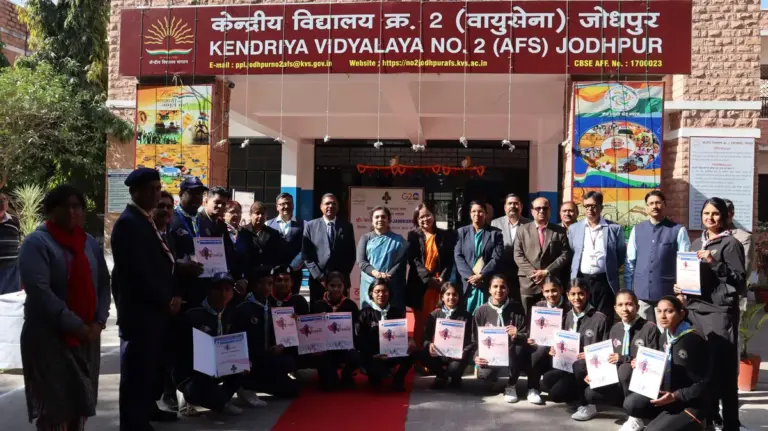
Communities play a crucial role in water conservation efforts. Individuals can contribute by adopting simple yet effective practices such as fixing leaks, using water-efficient appliances, and reducing water waste in daily activities. Educational programmes that inform residents about the significance of water conservation further galvanize community action. Involving local schools and organisations in water-saving initiatives can foster a culture of sustainability among younger generations.
Conclusion
The challenge of water scarcity is complex, yet the importance of conservation cannot be overstated. Continued education, innovation, and community involvement are key to addressing this pressing issue. As we face a future where water resources may become even more limited, prioritising conservation strategies will ensure that this vital resource remains available for future generations. Whether through individual actions or broader policies, every effort counts in the fight against water scarcity. The responsibility lies with all of us to safeguard our most essential resource.