









Introduction: Why Space Matters
Space exploration has captivated humanity for centuries, pushing the boundaries of our knowledge about the universe and our place within it. As we stand on the brink of new discoveries, the importance and relevance of space exploration have grown exponentially. In an era where climate change, resource shortages, and technological advancement define our lives, understanding the cosmos is vital for a sustainable future on Earth.
The Current State of Space Exploration
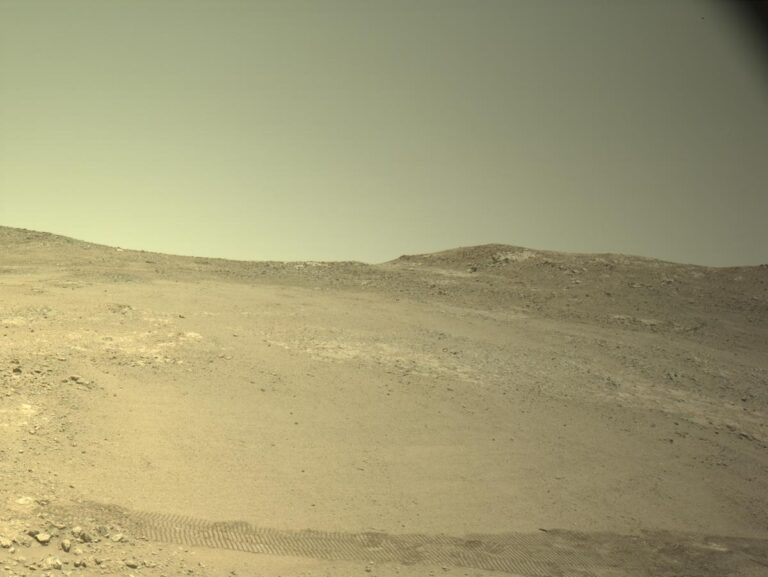
In recent years, space exploration has seen significant advancements. NASA’s Perseverance Rover successfully landed on Mars in February 2021, paving the way for future human missions to the Red Planet. Additionally, the James Webb Space Telescope, launched in December 2021, has begun sending back stunning images that provide unprecedented insights into the formation of galaxies and the potential for life beyond Earth.
Private companies have also entered the fray. SpaceX’s successful crewed missions to the International Space Station (ISS) mark a new era in commercial space travel. Companies like Blue Origin and Virgin Galactic are working towards making space tourism a reality, highlighting the growing interest and investment in exploring beyond our planet.
Technological Innovations Driven by Space Research
Space exploration is not just about reaching new worlds; it has led to groundbreaking technological advancements that benefit life on Earth. Satellite technology, which enables GPS navigation, weather forecasting, and global communications, originated from space research. Furthermore, innovations in materials science, telecommunications, and even healthcare have emerged as a direct result of space programmes, improving the quality of life for millions.
Looking Ahead: The Future of Space Exploration
The next decade promises exciting developments in space exploration. NASA’s Artemis programme aims to return humans to the Moon by 2024, and plans for a sustainable lunar presence are already underway. Additionally, international collaboration on Mars missions, including potential human landings, is anticipated, bringing nations together in the quest for knowledge.
Conclusion: The Significance of Our Cosmic Journey
As we continue to push the limits of what is possible in space exploration, it is crucial for society to recognise the significance of these missions. The knowledge we gain from exploring the cosmos can drive solutions to pressing global issues, such as climate change and resource management. Furthermore, fostering international collaboration in space can promote peace and unity among nations. The journey into space is not just about discovering new worlds; it is about securing a sustainable future for humanity on our own planet.