The Importance of Classroom Transformation
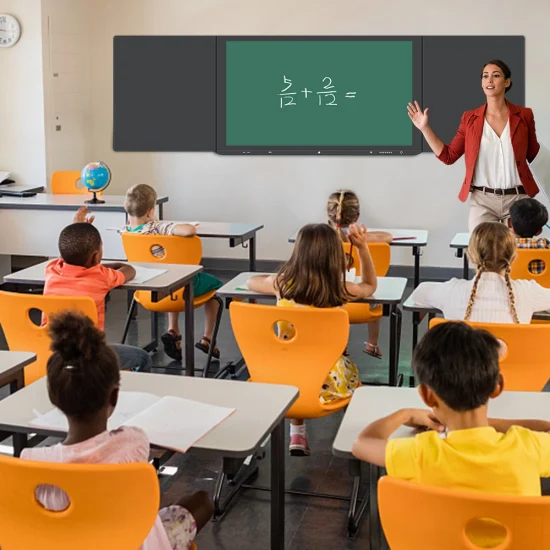
As education continues to evolve, the classroom remains the heart of the learning experience. Recent trends emphasise the importance of creating engaging and inclusive environments that cater to diverse learning styles. Innovations in classroom design, teaching methodologies, and technology integration are shaping how students learn and interact with their peers.
Recent Innovations in Classroom Design
Current educational research suggests that flexible classroom layouts can significantly enhance student engagement and collaboration. Schools are increasingly adopting designs that allow for movable furniture, break-out areas, and technology stations. This shift aims to accommodate group work and foster interactive learning, departing from traditional rows of desks that limit student interaction.
Incorporating Technology
Another significant aspect of modern classrooms is the integration of technology. According to a report by the International Society for Technology in Education, classrooms equipped with smartboards, tablets, and digital resources facilitate a richer learning experience. Remote learning technologies also gained prominence during the pandemic, paving the way for blended learning environments that combine in-person and online education, providing flexibility for students and educators alike.
Focus on Inclusivity
Moreover, classroom innovations are increasingly focusing on inclusivity and accessibility. Tools like speech-to-text software, interactive learning apps, and tailored resources for students with special needs are becoming standard. These advances ensure that all learners have the opportunity to participate and thrive in their educational journey, fostering a culture of acceptance and support.
Conclusion: The Future of Classrooms
The future of classrooms looks promising as they continue to adapt to the needs of students and educators. With ongoing developments in pedagogy, technology, and classroom design, we can anticipate even more tailored learning experiences that promote engagement, inclusivity, and a love for learning. As schools invest in these innovations, they not only enhance educational outcomes but also prepare students for success in an increasingly complex world.