










Introduction
Gas prices are a significant aspect of the modern economy, influencing everything from daily commuting to the larger scale of international trade. Recently, a surge in prices has heightened concerns among consumers and policymakers alike. Understanding the factors driving this increase and its potential impact on both households and the economy is critical for navigating these challenging times.
Current Trends in Gas Prices
As of October 2023, gas prices have reached an average of £1.60 per litre across the United Kingdom, marking a significant rise compared to the previous year when prices were around £1.30 per litre. This increase has been attributed to a combination of global supply chain disruptions, OPEC+ production cuts, and ongoing geopolitical tensions, particularly in energy-rich regions.
Impact on Households
The rise in gas prices is keenly felt by consumers, with many reporting that their monthly budgets are stretched tighter than ever. The AA has noted an alarming trend where families are prioritising essential travel over leisure activities due to increased fuel costs. According to a recent survey, over 60% of respondents are considering reducing travel as a direct response to rising costs.
Implications for the Economy
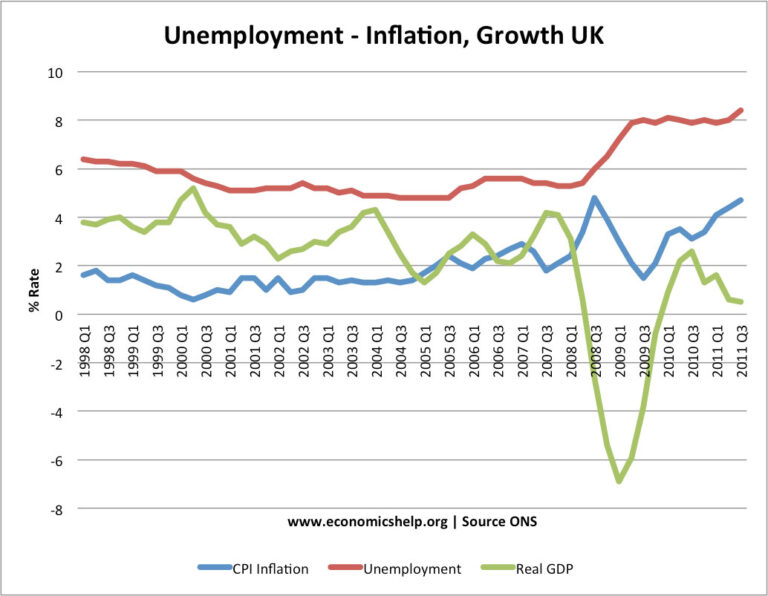
Beyond just the household level, rising gas prices have broader implications for the UK economy. Transport companies are facing higher operational costs, leading to increased prices for goods and services, which may contribute to inflation. The Bank of England has indicated that sustained high fuel prices could hinder economic growth, prompting discussions around energy policies and future sustainability initiatives aimed at reducing dependence on fossil fuels.
Looking Forward
Experts suggest that consumers should brace for continued volatility in gas prices, but there are discussions of transitioning towards renewable energy sources as a long-term solution. Government support for electric vehicles and investments in renewable infrastructure are seen as pivotal in addressing not just the current crisis, but also in steering towards a sustainable future. Meanwhile, analysts advise consumers to stay informed of any changes in energy policy or broader market trends that may impact fuel pricing.
Conclusion
The ongoing rise in gas prices serves as a reminder of the precarious nature of energy markets and their direct impact on consumers. As the UK grapples with these challenges, the importance of diversifying energy sources and investing in sustainable energy alternatives becomes clear. For readers, staying aware of price trends and government initiatives could provide valuable insights as they navigate this complex environment.