









Introduction
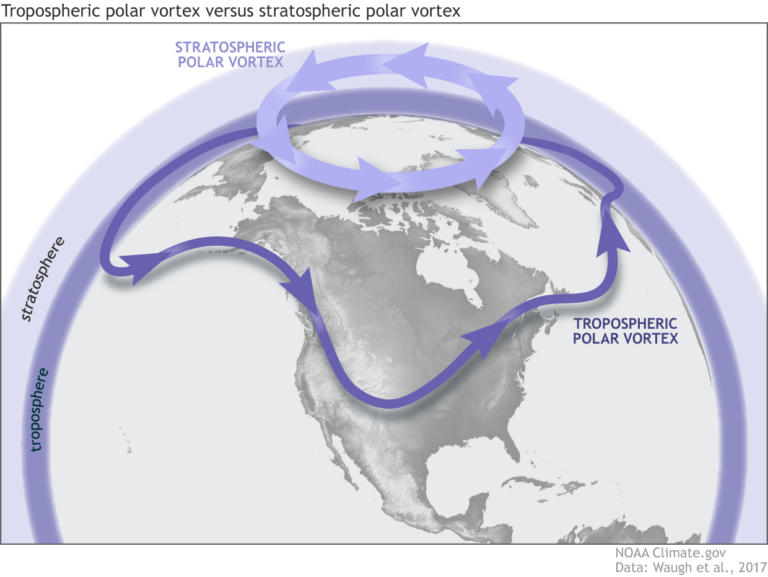
The polar vortex is a large area of low pressure and cold air surrounding both of the Earth’s poles.
Recent forecasts have indicated a possible collapse of the polar vortex, an event that could significantly alter weather patterns in the Northern Hemisphere. Understanding this phenomenon is essential for anticipating extreme winter weather, making it a topic of great relevance to meteorologists, climate scientists, and the general public alike.
What is the Polar Vortex?
The polar vortex is essentially a swirling mass of frigid air that rotates around the Arctic Circle. During the winter months, it becomes more pronounced, and its strength and stability can affect weather patterns across North America and Europe. When the vortex is strong, it tends to keep the cold air trapped in the polar regions. However, when it weakens or collapses, the cold air can plunge down into areas that are typically milder, leading to severe cold snaps.
Current Forecasts of Polar Vortex Collapse
Recent analyses suggest that a collapse of the polar vortex is on the horizon. A study from the National Oceanic and Atmospheric Administration (NOAA) indicated that current atmospheric conditions, including warmer temperatures in the Arctic, are conducive to such a collapse occurring this winter. Moreover, ongoing patterns suggest that if the polar vortex does break down, it may lead to significant cold spells across large portions of the United States, particularly in the Midwest and Northeast.
Experts have anticipated that the effects of a polar vortex collapse would not just impact North America. Similar patterns are expected to influence weather across Europe and Asia, where colder temperatures and heavy snowfall can occur as the unstable air spreads southward from the poles.
Potential Impacts
A collapse of the polar vortex can result in a variety of severe weather conditions: extensive snowstorms, unusually low temperatures, and increased precipitation in the form of snow. Such weather patterns have potential impacts on agriculture, transportation, and overall public safety.
Previously, in winters with polar vortex disruptions, regions experienced record low temperatures and substantial snowfall, which strained public services and led to dangerous travel conditions.
Conclusion
As meteorologists continue to monitor the polar vortex, citizens and local governments must prepare for the potential disruptions it may bring. While not every forecast may lead to drastic weather changes, understanding the implications of a polar vortex collapse can aid in more informed decision-making and preparedness. In the coming weeks, as forecasts are refined, staying updated will be crucial for everyone looking to navigate the winter months ahead.