





Introduction
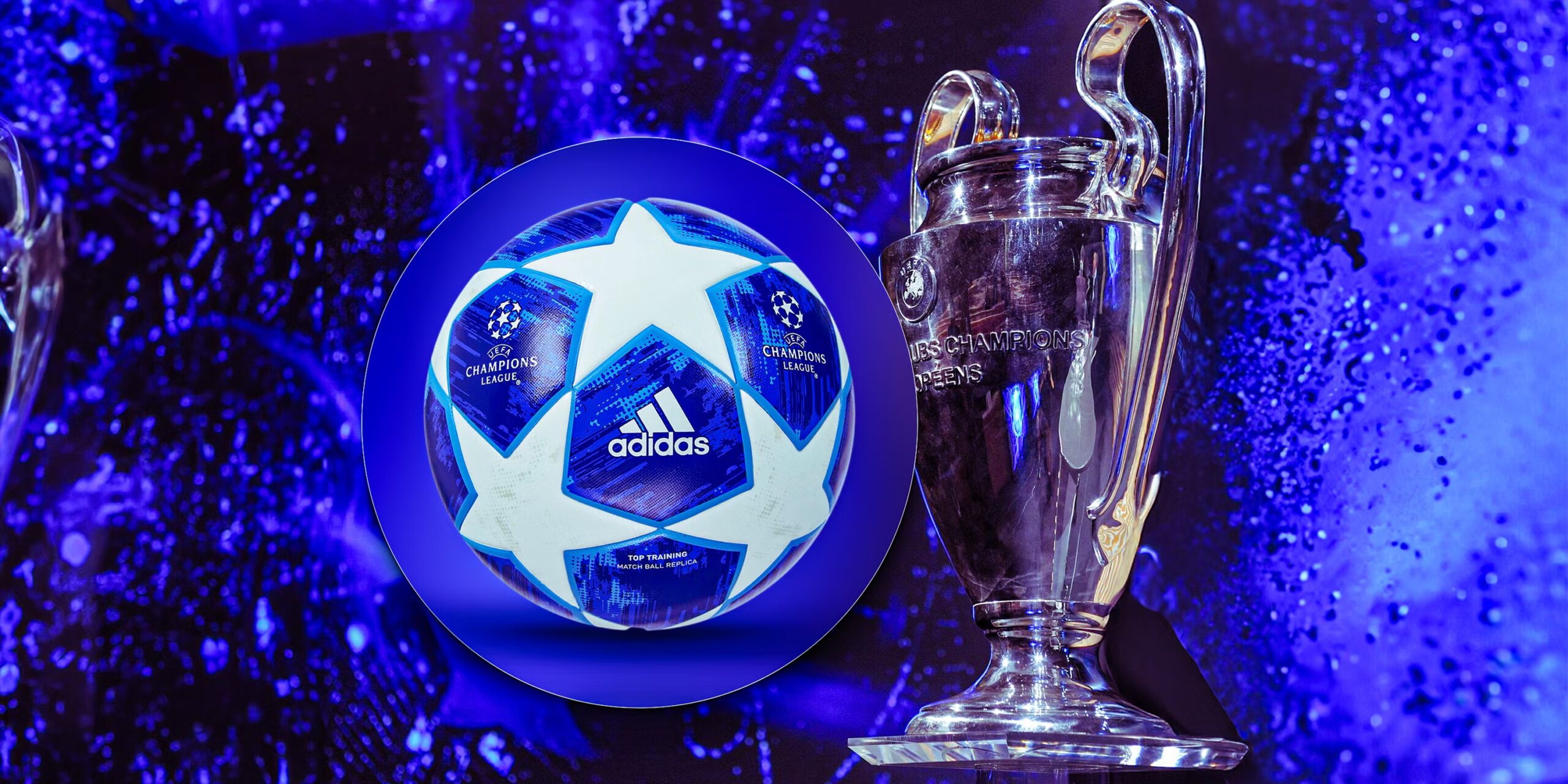
The UEFA Champions League is one of the most prestigious tournaments in club football, captivating millions of fans across the globe. Its format has evolved over the years, reflecting changes in the competitive landscape of European football. As clubs strive for glory, understanding the tournament’s structure becomes essential for both passionate supporters and casual viewers alike.
Current Format of the Champions League
The current format of the UEFA Champions League, established in the 2021-2022 season, consists of several distinct phases. Initially, 32 teams qualify for the group stage, split into eight groups of four. These clubs are selected based on their performances in their respective national leagues and other UEFA competitions.
Each team plays three home and three away matches against the others in their group, following a round-robin format. The top two teams from each group advance to the knockout stages – a single-elimination tournament consisting of the Round of 16, quarter-finals, semi-finals, and ultimately, the final.
Knockout Stage Dynamics
The knockout stages add an exhilarating edge to the competition. Following the group phase, the 16 qualifying clubs are seeded, ensuring that group winners face group runners-up in the Round of 16. This structure not only intensifies rivalries but also increases the stakes, as every match can lead to elimination. Matches in this round, and subsequent rounds, are played over two legs, with the aggregate score determining which team progresses.
Impact of Format Changes
In the latest seasons, discussions around format changes, such as the introduction of more clubs or adjustments to the qualification process, have surfaced. The competition’s governing body, UEFA, is aiming to maintain the high level of competition while increasing revenue opportunities for clubs and stakeholders through enhanced broadcasting rights and expanded audience engagement.
Conclusion
The Champions League format is not just a logistical framework; it plays a significant role in shaping the football landscape. With clubs aiming for European success and fans celebrating moments of football magic, the format facilitates drama and excitement at every stage. As we look ahead, potential changes may further impact how clubs engage with this illustrious tournament, making it crucial for fans to stay informed about the ever-evolving structures of their favourite competitions.