








The Importance of Vietnam in Southeast Asia
Vietnam, a country on the eastern edge of the Indochinese Peninsula, is renowned for its rich history, diverse culture, and breathtaking landscapes. As a key player in Southeast Asia, it has been attracting both tourists and investors alike, especially following its impressive economic recovery post-COVID-19. The importance of understanding Vietnam’s culture and economy is becoming increasingly relevant in today’s global context as it showcases resilience and growth.
Current Events and Economic Growth
In recent months, Vietnam has seen notable economic advancement, with projections indicating a GDP growth rate of approximately 6.5% for 2023, despite global economic uncertainties. This growth is largely attributed to its manufacturing sector, tourism revival, and strong agricultural exports. The government has implemented various reforms to improve the business environment, enticing foreign investments, particularly in technology and sustainable sectors.
The Impact of Tourism
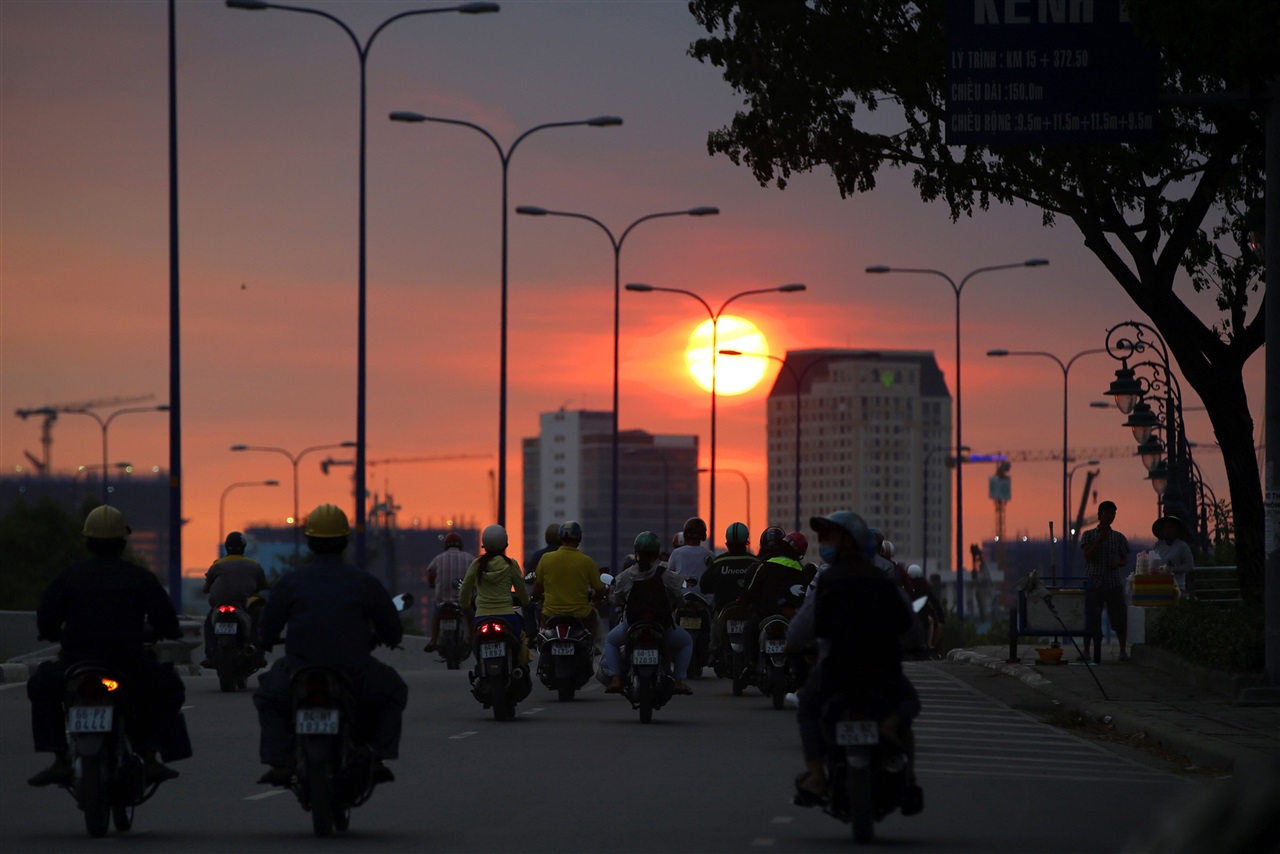
Tourism plays an essential role in Vietnam’s economic fabric, contributing significantly to local employment and revenue. According to the Vietnam National Administration of Tourism (VNAT), the destination received around 12 million international visitors in 2019, a figure expected to recover and exceed pre-pandemic levels in the coming years. Popular destinations such as Ha Long Bay, Hoi An, and the bustling streets of Ho Chi Minh City are once again teeming with visitors eager to experience Vietnam’s rich cultural offerings.
Cultural Heritage and Diversity
Vietnam boasts a unique blend of cultural influences from Chinese, French, and indigenous traditions, visible in its cuisine, architecture, and festivals. The country is home to 54 ethnic groups, each with its own distinct traditions and languages. This diversity enriches Vietnam’s societal fabric, creating a vibrant tapestry of customs, art, and beliefs. The government’s efforts to preserve cultural heritage sites, such as the ancient town of Hoi An and My Son Sanctuary, underscore the importance of cultural preservation and education.
Conclusion: The Future of Vietnam
As Vietnam continues to integrate into the global economy, its rich cultural landscape and economic potential present significant opportunities and challenges. The nation stands at a crossroads, balancing rapid modernization with the preservation of its heritage. For readers, being aware of Vietnam’s evolving identity is crucial—not only to appreciate its global significance but also to seize opportunities in a country that promises a vibrant future.