









Introduction
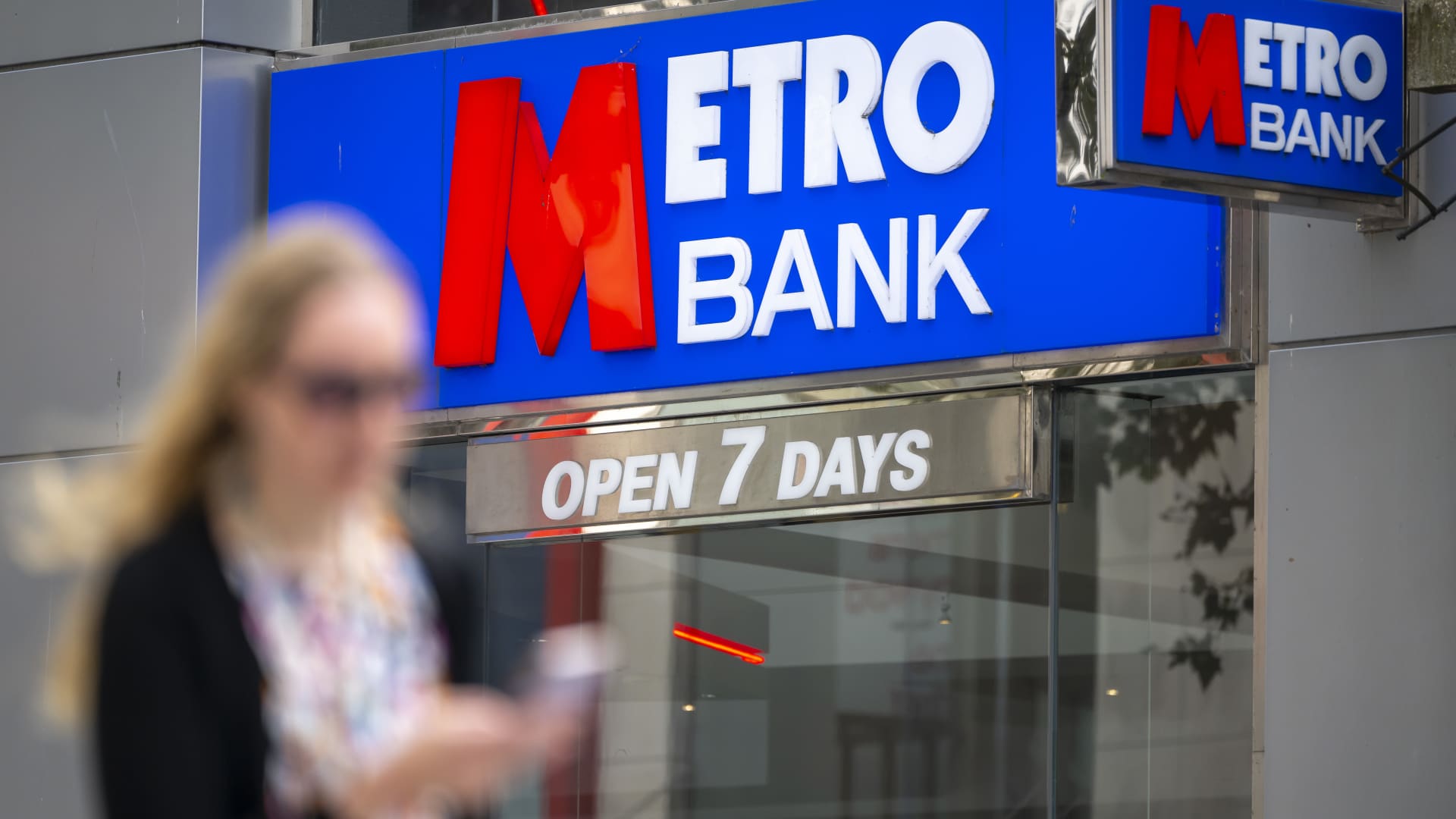
Metro Bank, established in 2010, has emerged as a significant player in the UK banking sector known for its innovative approach to customer service and operational transparency. As Britain’s first new high street bank in over 100 years, its relevance has only increased in light of recent economic developments and evolving consumer demands. With the rise of digital banking, Metro Bank’s unique proposition including physical branches and on-the-spot banking services presents a formidable challenge to traditional banks.
Recent Developments
In 2023, Metro Bank has implemented several strategic initiatives aimed at enhancing its competitive edge. This includes the rollout of new digital solutions, including an upgraded mobile banking application designed to improve user experience and facilitate easier access to banking services. Moreover, the bank has expanded its product offerings, introducing attractive savings accounts and mortgage options designed to appeal to a broader customer base.
In June 2023, Metro Bank celebrated reaching a significant milestone of 3 million customer accounts. This achievement highlights its growing popularity and trust among UK consumers, especially amidst increasing competition. The bank’s focus on personalised service and its commitment to customer feedback has driven its recent success.
Impact on the Banking Sector
Metro Bank’s rise has injected fresh energy into the banking sector, pushing established players to rethink their strategies. Its commitment to maintaining physical branches in an increasingly digital age has enabled it to cultivate a loyal customer base seeking personalised services. According to recent reports, Metro Bank’s innovative features, such as Instant Account Opening and 24/7 customer support, have set benchmarks for other banks aiming to improve their service delivery.
The bank’s successful integration of technology with traditional banking has prompted other financial institutions to escalate their focus on customer experience, ensuring they remain relevant as consumer expectations shift.
Conclusion
As the UK banking sector continues to evolve, Metro Bank’s innovative model and commitment to customer service signify a promising future for the institution. With the ever-changing landscape of consumer banking preferences influenced by technology and convenience, Metro Bank is well-positioned for growth and expansion. Its sustained focus on engaging customers and addressing their needs not only serves as a blueprint for future banking but also marks a shift in how high street banks operate in an increasingly digital world. Looking forward, observers anticipate that Metro Bank will continue to thrive, fostering a culture of customer-centric financial services in the UK.