










Introduction
The FTSE 100, or Financial Times Stock Exchange 100 Index, is one of the most significant stock market indices in the United Kingdom, tracking the 100 largest companies listed on the London Stock Exchange. It is a crucial indicator of market performance and investor sentiment in the UK economy. Understanding the trends within the FTSE 100 is essential for investors, analysts, and policymakers, especially given the current economic climate shaped by global events, inflation, and geopolitical tensions.
Recent Performance and Key Developments
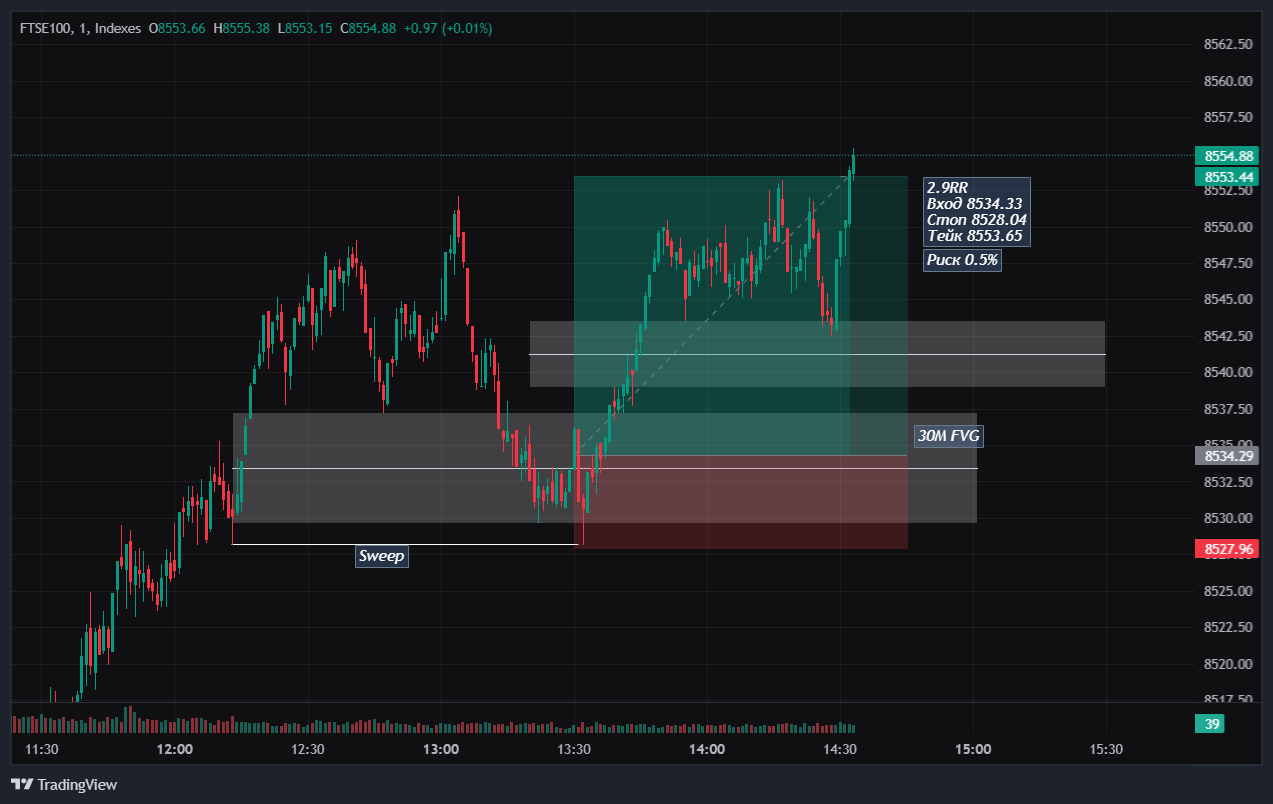
As of October 2023, the FTSE 100 has shown a notable resilience despite facing considerable challenges over the past year. Economic uncertainties due to inflation pressures and rising interest rates have led to fluctuations in the stock market. However, recent data indicates a recovery period, with the FTSE 100 closing at 7,500 points, up approximately 5% from this time last month.
Several sectors contribute to the index’s performance, particularly oil and gas, financial services, and consumer goods. Oil giants like BP and Shell have seen gains due to rising crude prices, while banks have benefited from increased interest rate margins. Additionally, consumer goods companies continue to adapt to changing consumer behaviours, affecting their stock performance. The recent earnings reports from major retailers have also played a significant role in shaping the expectations of market analysts.
Market Influencers
Political events and monetary policy decisions by the Bank of England are significant influencers of the FTSE 100’s trajectory. The ongoing discussion regarding potential interest rate hikes to combat inflation has left investors cautious. Analysts predict that if inflation continues its upward trend, further rate increases may slow economic growth, negatively impacting stock valuations. Moreover, geopolitical tensions, particularly between major global players, have also injected volatility into the markets, highlighting the interconnectedness of today’s economies.
Conclusion
The FTSE 100 remains a critical barometer for not only UK investors but also global market participants. As economic indicators evolve, predictions suggest that the index may face further fluctuations in the near term, depending on inflation rates and geopolitical stability. For investors, remaining informed about ongoing developments within the FTSE 100 is vital in order to navigate the complex market landscape effectively. Continuous monitoring of sector performances and external factors will be essential in making sound investment decisions in the coming months.