









The Significance of Frankenstein
Mary Shelley’s novel, Frankenstein, first published in 1818, holds a vital place in both literary history and popular culture. The story of Victor Frankenstein and his monstrous creation has transcended its time, offering insights into human nature, ethical dilemmas, and the consequences of scientific advancement. This relevance remains especially prominent in today’s society, where discussions around artificial intelligence and genetic engineering have become increasingly prevalent.
Events and Cultural Influence
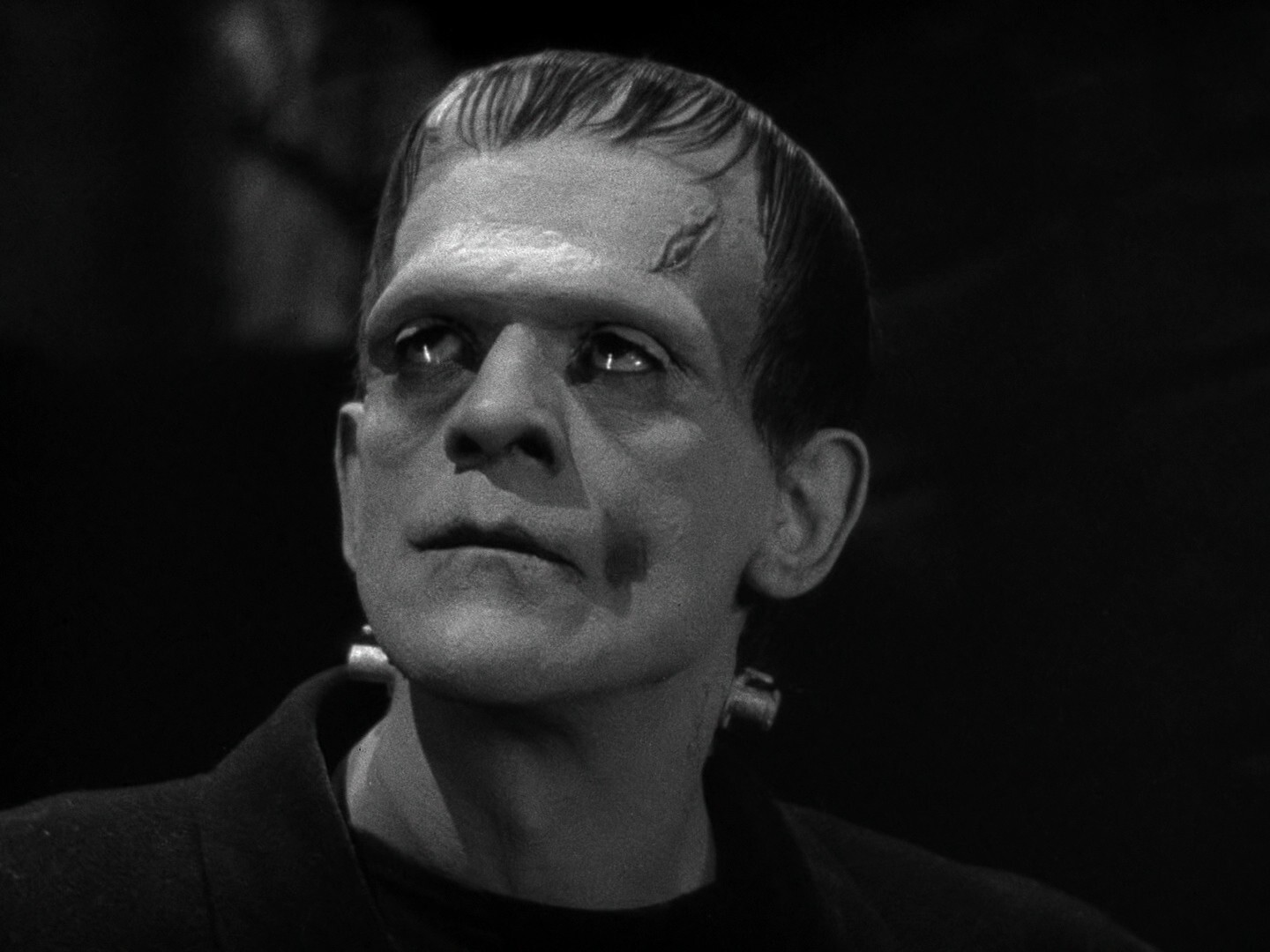
Since its release, Frankenstein has inspired countless adaptations across various media, including theatre, film, and television. The character of the ‘modern Prometheus’ has become a staple in horror literature, influencing genres from gothic to science fiction. In 1931, James Whale’s film adaptation, which starred Boris Karloff, introduced a more sympathetic view of the creature, further embedding the story into popular culture.
Moreover, Frankenstein’s themes of isolation, ambition, and moral responsibility resonate today as we grapple with the ethical ramifications of technological innovations. The fear of creating life, or ‘playing God’, has sparked debate among scientists, ethicists, and the public alike.
Contemporary Relevance
In contemporary discourse, the ideas presented in Shelley’s work are echoed in discussions surrounding bioengineering, cloning, and AI. For instance, as AI increasingly simulates human-like behaviour, the moral implications of these advancements raise questions akin to those raised in Shelley’s narrative. Are we responsible for our creations? What boundaries should we respect when pursuing knowledge and innovation?
Conclusion: The Lasting Impact
Mary Shelley’s Frankenstein is more than just a horror tale; it is a profound commentary on the human experience and our interactions with innovation. As we continue to explore the boundaries of science and morality, the lessons from this classic work remind us of the importance of ethics in our pursuit of knowledge. The enduring legacy of Frankenstein serves not merely as a cautionary tale but also as an invitation to contemplate the relationship between creator and creation, a topic that remains relevant as we venture further into the future.