









Introduction
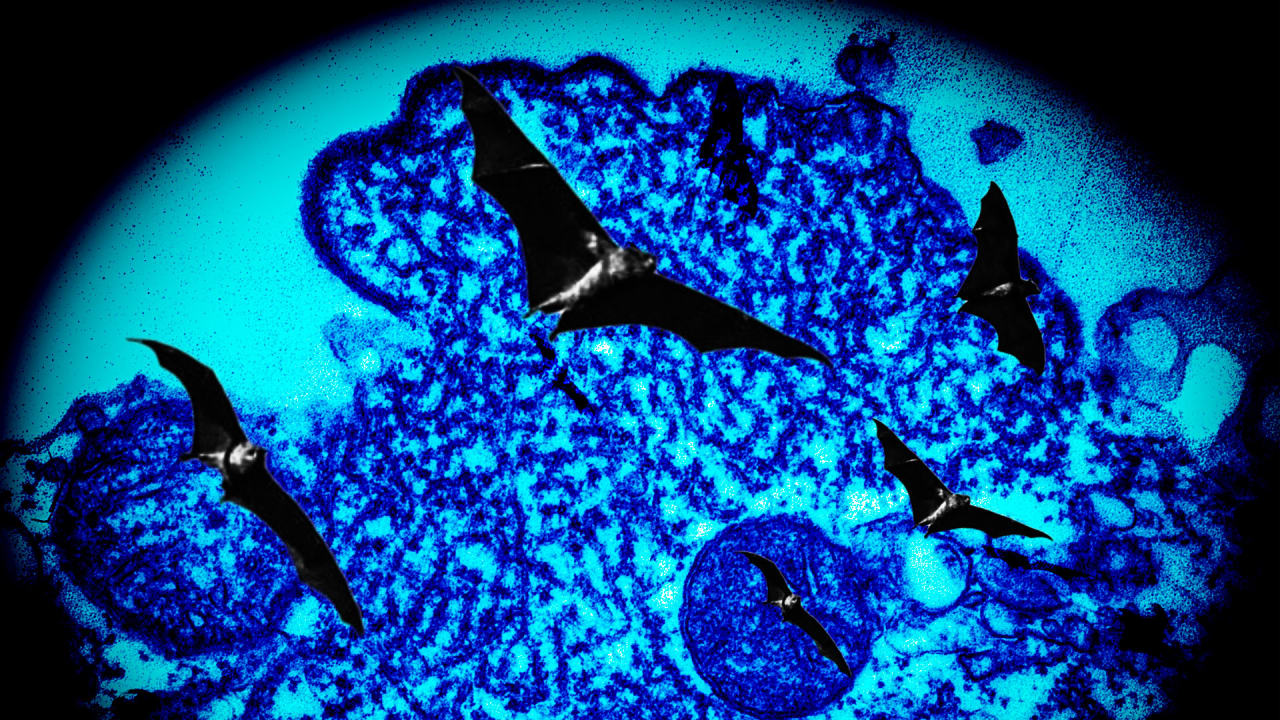
The recent nipah virus outbreak in India has raised significant public health concerns. Nipah virus (NiV) is a zoonotic virus transmitted from animals to humans and is known for causing severe respiratory illness and encephalitis. With a history of outbreaks in different regions, the current scenario demands urgent attention and response to prevent widespread transmission.
Current Situation
As of October 2023, the health authorities in Kerala have reported multiple cases of nipah virus infection, with confirmed diagnoses in several individuals. The virus had been previously identified in India, making the current outbreak alarming. The symptoms of nipah virus infection include fever, headache, dizziness, and respiratory issues, and can lead to coma and death in severe cases.
Authorities have responded by implementing rigorous containment measures, which include contact tracing, isolation of infected individuals, and intensive monitoring of the affected regions. The Nipah virus strain currently circulating is of particular concern due to its potential for human-to-human transmission, mainly through close contact with infected individuals.
Government Response
The Indian government, in collaboration with the World Health Organization (WHO), has mobilised resources to combat the outbreak. Health professionals have been deployed to educate the public about preventive measures, such as avoiding contact with bats and pigs, which are known carriers of the virus. The infrastructure in place aims to identify and quarantine suspected cases rapidly.
Public Health Implications
The Nipah virus outbreak is critical for public health in India, highlighting the need for robust surveillance and response strategies. Past outbreaks in Bangladesh and India have resulted in high mortality rates, emphasizing the importance of crisis management in containing viral outbreaks. The response to nipah virus also has implications for addressing other zoonotic diseases as the risk of transmission from animals to humans continues to be a global health concern.
Conclusion
As the situation continues to evolve, public health officials are urging citizens to remain vigilant and follow guidelines to prevent further spread of the nipah virus. Continuous monitoring, research, and community awareness campaigns are essential to ensure public safety. The nipah virus outbreak in India serves as a critical reminder of the necessity to strengthen health systems and pandemic preparedness, to mitigate the risks associated with zoonotic diseases.