







Introduction
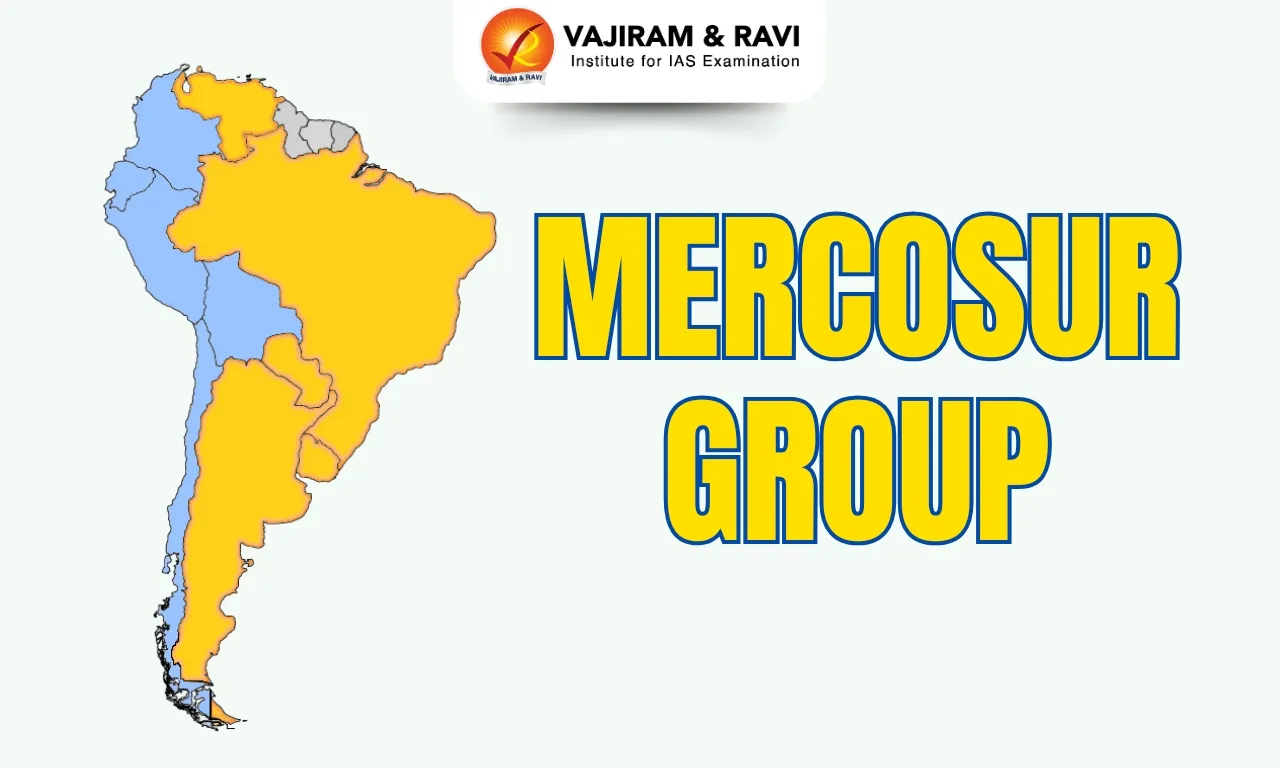
Mercosur, short for the Southern Common Market, is a South American regional trade bloc founded in 1991. Comprising member countries such as Argentina, Brazil, Paraguay, and Uruguay, it aims to promote free trade and economic cooperation among its members. In the face of changing global economic conditions and increasing competition, understanding Mercosur’s role has become increasingly important for businesses and policymakers alike.
Current Developments
The recent developments around Mercosur have been notable. The bloc has been in discussions to finalize a significant free trade agreement with the European Union, which has been in negotiation since 1999. This agreement aims to reduce tariffs and enhance trade between the two regions, promising substantial economic benefits. A draft agreement was reached in 2019, although it has faced political scrutiny and delays in ratification on both sides.
Adding complexity to Mercosur’s dynamics, Brazil’s leadership under President Luiz Inácio Lula da Silva has taken steps to renew relationships within the bloc and with external partners. Lula’s government’s commitment to environmental sustainability contrasts with previous administrations and has prompted discussions on how climate policy could influence trade agreements.
Challenges and Opportunities
Despite opportunities for growth, Mercosur faces several challenges. Economic disparities among member countries, political instability, and differing economic policies can hinder cohesive action. For instance, recent inflation spikes and currency fluctuations in Argentina have raised concerns among its neighbours, affecting regional stability.
Moreover, the ongoing global pandemic has reshaped trade patterns, prompting Mercosur to rethink its strategies. Enhancements in digital trade and a focus on local industries indicate a shift in the bloc’s approach to economic integration. As supply chains worldwide have been disrupted, Mercosur’s resilience could prove vital for its member countries.
Conclusion
As global trade continues to evolve, Mercosur’s significance is likely to grow. Its ability to adapt to new economic realities, foster cooperation among its members, and negotiate beneficial trade agreements with major economies will be crucial for its future. Stakeholders within and outside of the region should closely monitor developments in Mercosur, as they hold implications not only for South American economies but for global trade dynamics as a whole.