










Introduction
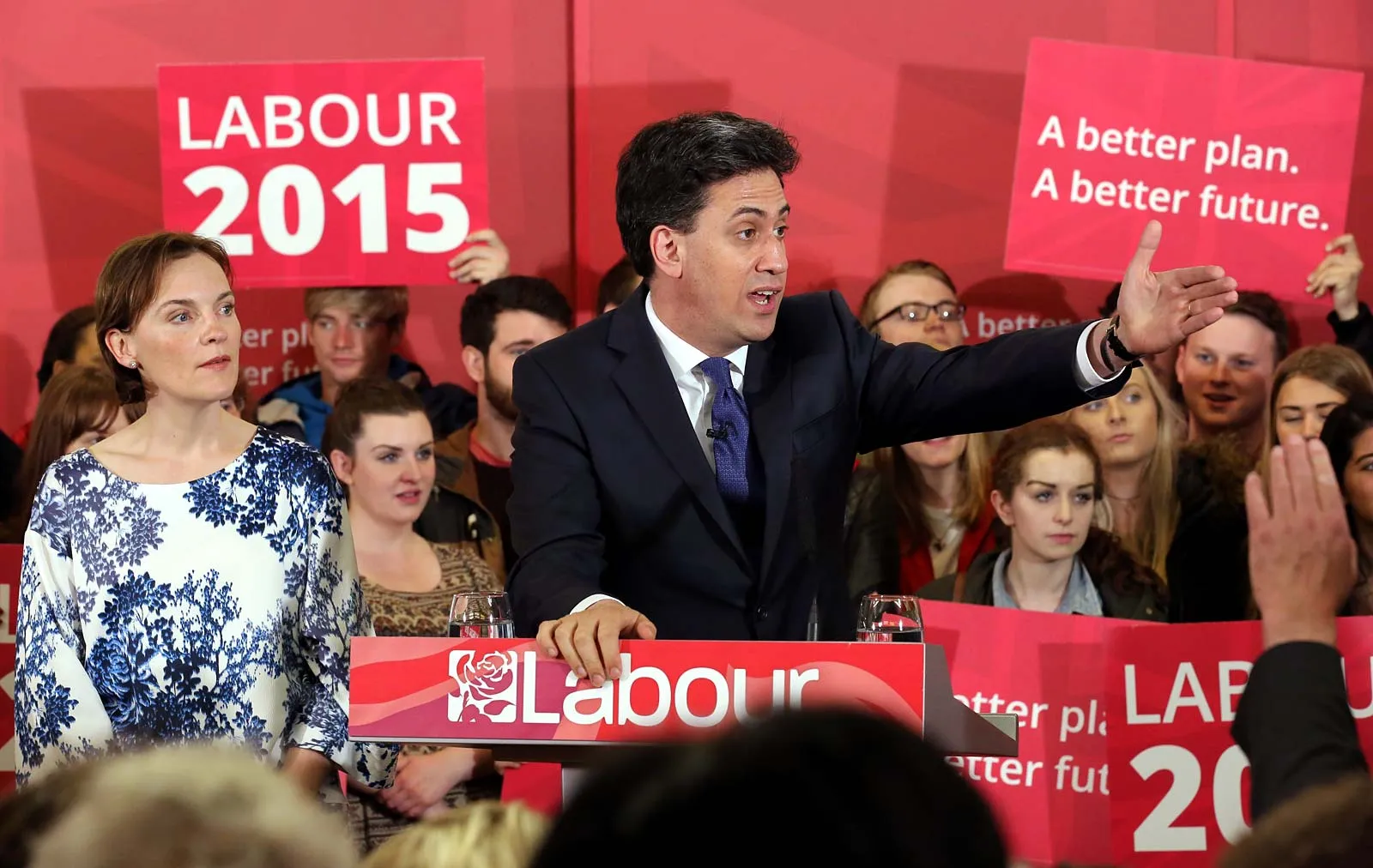
Ed Miliband, a prominent figure in UK politics, has been in the public eye for over a decade. As the former leader of the Labour Party, his influence on British politics is significant, especially during the changing dynamics of the political landscape in recent years. Understanding Miliband’s role and contributions provides insights into the shifts within the Labour Party and the broader implications for UK governance.
Political Career Overview
Ed Miliband was born on December 24, 1969, and entered Parliament in 2005, representing the Doncaster North constituency. He became the leader of the Labour Party in 2010, succeeding Gordon Brown after a tumultuous period following the 2008 financial crisis. Miliband’s leadership focused on redefining the party’s direction, promoting progressive values and social justice.
Recent Developments
In recent years, Miliband has managed to retain relevance in public discourse, often addressing contemporary issues such as climate change, social inequality, and the aftermath of Brexit. He has emerged as a key voice in parliament, particularly during debates highlighting environmental policies and economic reforms. In 2022, he was appointed shadow business and industrial strategy secretary and has been vocal about the need for cleaner, greener energy systems as the UK aims to reach net-zero emissions by 2050.
During the recent Labour Party conference, Miliband outlined an ambitious agenda focusing on economic revitalisation post-COVID-19, unwavering support for workers’ rights, and addressing the energy crisis exacerbated by geopolitical tensions. His commitment to making the UK a leader in green technology resonates with many voters concerned about climate change.
Public Perception and Legacy
Despite various criticisms during his tenure as Labour leader—such as struggles against Conservative economic policies and internal party divides—Miliband’s public perception has seen a revival as he successfully adapts his messaging to fit current societal concerns. His approach has shifted from being seen as an underdog during his leadership to becoming a trusted figure in the fight against the climate crisis.
Conclusion
Ed Miliband’s political journey is far from over. His continued presence in UK politics speaks to his enduring relevance, especially in responding to the pressing challenges facing the nation. As the Labour Party gears up towards the next general election, Miliband’s influence and perspectives will likely shape the party’s platform and could play a crucial role in its potential return to power. This exploration of his contributions highlights the importance of leadership in addressing complex societal issues while signifying the evolving landscape of British politics.