









Introduction
The price of gold has always held significant importance in global economics and investment portfolios. Gold is considered a safe-haven asset, especially during times of economic uncertainty. Recent fluctuations in gold prices have drawn attention from investors, analysts, and the general public alike, making it crucial to understand the current trends and their implications.
Recent Trends in Gold Price
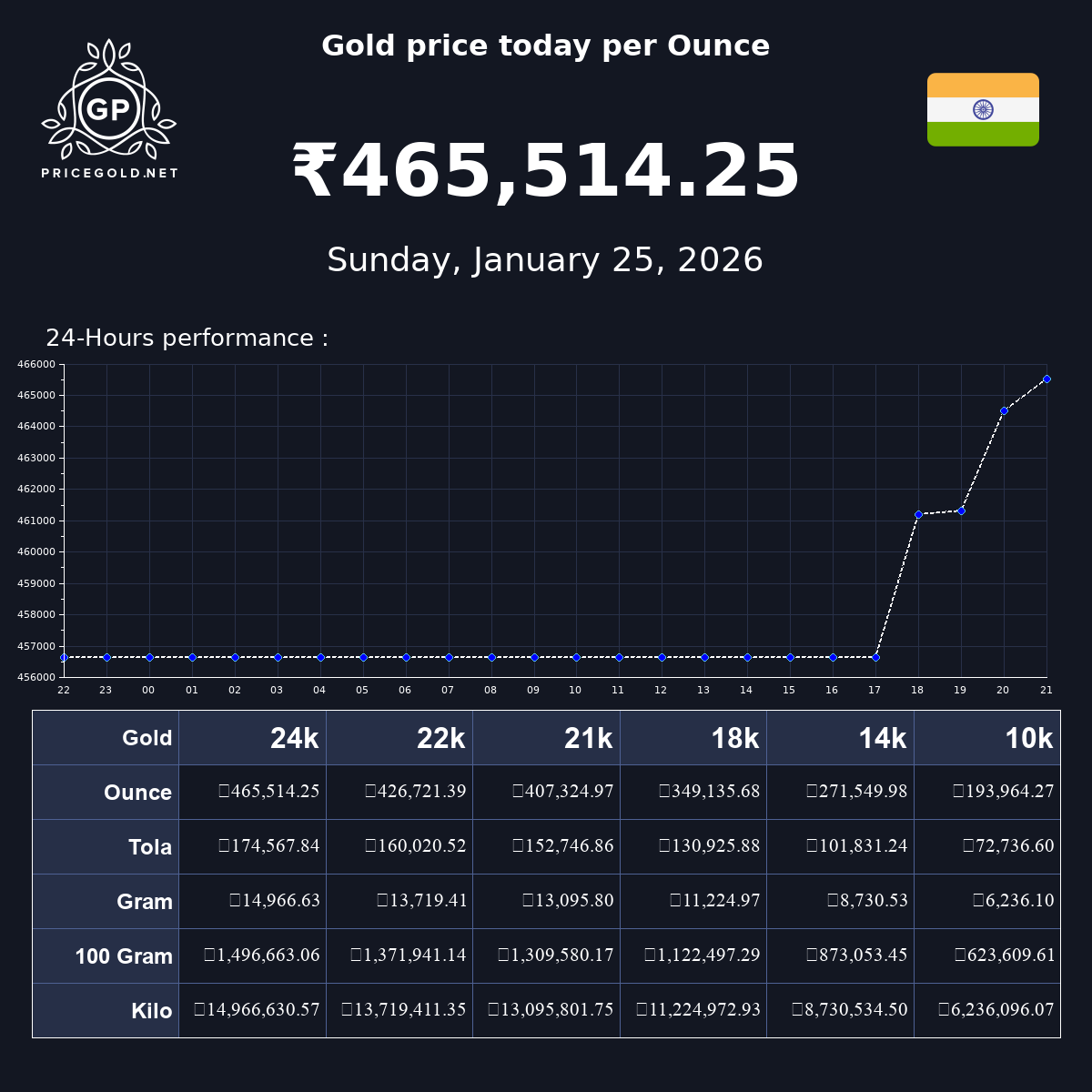
As of October 2023, gold prices have seen notable volatility, primarily influenced by various economic factors including interest rates, inflation, and geopolitical tensions. According to the World Gold Council, the gold price per ounce recently surged to approximately £1,600 after experiencing a brief dip earlier in the month. This increase is largely attributed to the ongoing fluctuations in currency values and the recent announcements from central banks regarding potential interest rate changes.
Analysts suggest that investor sentiment is still leaning towards gold as a hedge against inflation, especially in light of the Bank of England’s decision to maintain or adjust interest rates in response to inflationary pressures. Furthermore, uncertainty surrounding global conflicts and trade issues remains a significant factor driving demand for gold.
Market Reactions and Investor Behaviour
Gold’s recent traction is also reflected in increased buying activity from both retail and institutional investors. Data shows that gold exchange-traded funds (ETFs) have witnessed a rise in inflows, with many investors seeing gold as a strategic asset amidst volatile market conditions. Historically, gold tends to perform well when stock markets are unstable, and the current trends affirm this behaviour.
Moreover, according to Reuters, as of mid-October, holdings in gold-backed ETFs have risen to the highest level since early 2023, indicating that more financial institutions are betting on gold as an enduring investment. Retail interest has also spiked, especially in physical gold purchases, with increased foot traffic in jewellers and pawn shops noted across the UK.
Conclusion
In summary, the recent movements in gold prices reflect a complex interplay of economic indicators, investor sentiment, and global unrest. With ongoing uncertainty in the market, gold remains a focal point for both investors and economists. Looking ahead, analysts predict that if inflation continues to rise or geopolitical tensions escalate, gold prices could see further increases. Consequently, investors should remain vigilant and informed about the dynamics affecting the gold market to navigate their investment strategies effectively.