









Introduction to Davos
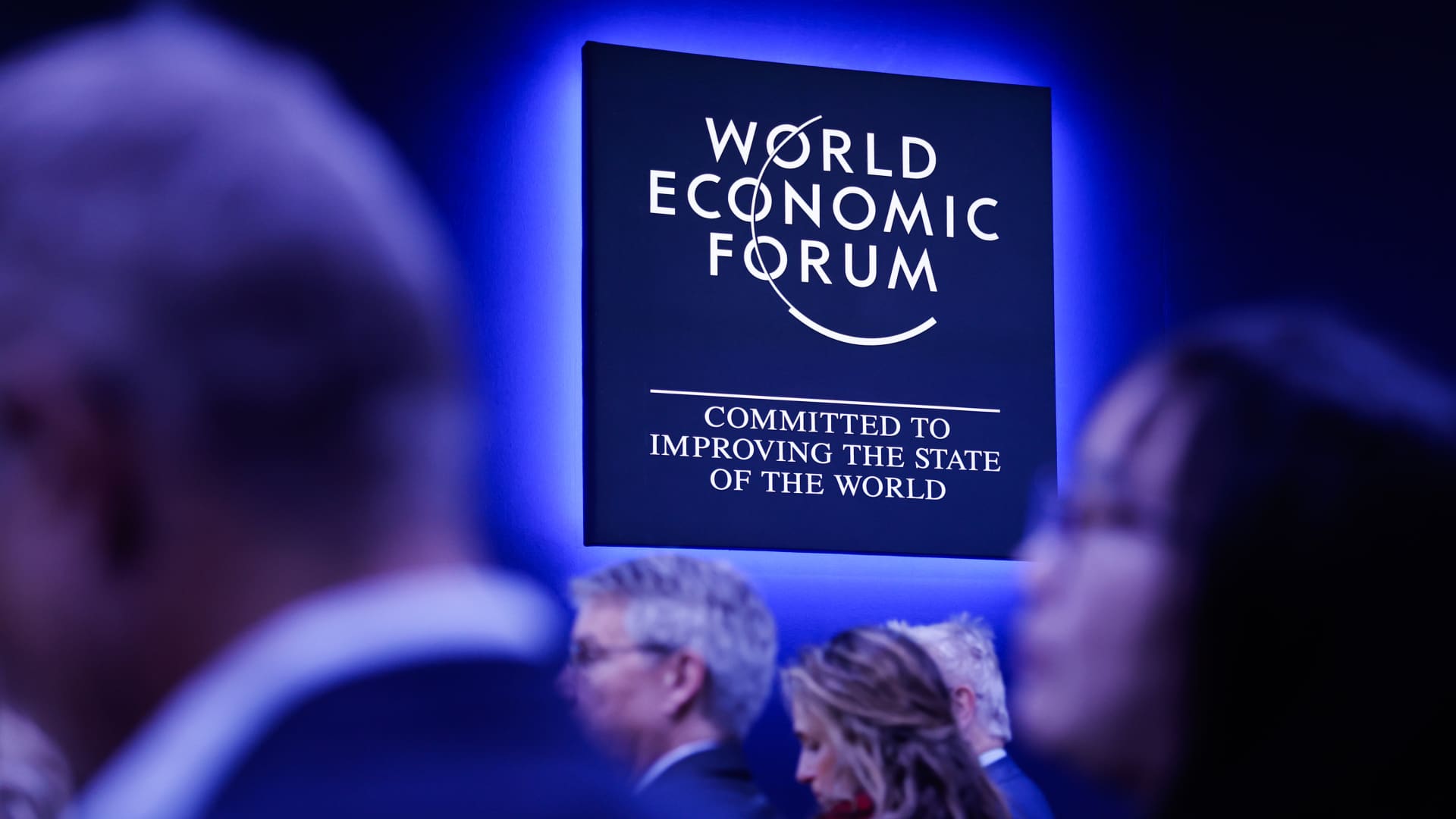
Davos, a small town in the Swiss Alps, has become synonymous with high-stakes discussions around global economics, politics, and social issues. Since the inception of the World Economic Forum (WEF) in 1971, Davos has provided a platform for world leaders, business executives, and influential scientists to convene annually. The importance of this event extends beyond mere networking; it facilitates dialogue on pressing global challenges, thereby shaping the future of economies and societies.
The World Economic Forum and Its Significance
The WEF is a non-governmental organisation hosted in Davos, gathering top leaders from various sectors including politics, business, academia, and civil society. Since its founding, the forum has become a crucial venue for the discussion of broadening global issues such as climate change, inequality, and international trade. Each year, the forum invites approximately 3,000 participants, including heads of state, CEOs, and delegates from hundreds of countries, creating a unique environment for collaboration and innovation.
Key Themes and Discussions
Every year, the WEF adopts themes that reflect the major concerns facing the world. In 2023, discussions centred around ‘Cooperation in a Fragmented World’, focusing on rebuilding trust and collaboration across nations. Attendees analyse the challenges posed by geopolitical tensions, economic disparities, and climate change, formulating strategies to navigate these complexities. Notable speakers at recent forums have included prominent figures such as Klaus Schwab, the WEF founder, and international leaders like U.S. President Joe Biden, who discussed the need for global cooperation.
Impacts and Criticism
While Davos plays an outstanding role in shaping global discourse, critics argue that it fosters elitism, focusing on the interests of the wealthy while sidelining grassroots voices. The consensus from these discussions often remains theoretical, with limited immediate action taken in response to the dire needs being articulated. Furthermore, infrastructure impacts, such as increased pollution and local disruptions during the hosting of the forum, have sparked concern among Davos residents. Nevertheless, proponents defend the WEF as essential for initiating dialogues that drive policy changes at a global scale.
Conclusion
Davos is much more than a picturesque town in Switzerland; it represents a powerhouse for global debate and collaboration. As ever-growing challenges plague the world, the discussions that unfold at the WEF will continue to influence decision-making processes and promote international dialogues in the years to come. Following its recent forums, observers eagerly await how the insights and collaborations born in Davos will bridge divides and foster innovative solutions for a more equitable and sustainable future.