










Introduction
On the morning of September 15, 2023, a train crash in Barcelona, Spain, has cast a spotlight on railway safety and operational protocols in the country’s vast transport network. The incident, which involved a passenger train that derailed near the city’s bustling Sants station, has prompted questions regarding the safety measures and infrastructure management in Spain’s railway system.
The Details of the Incident
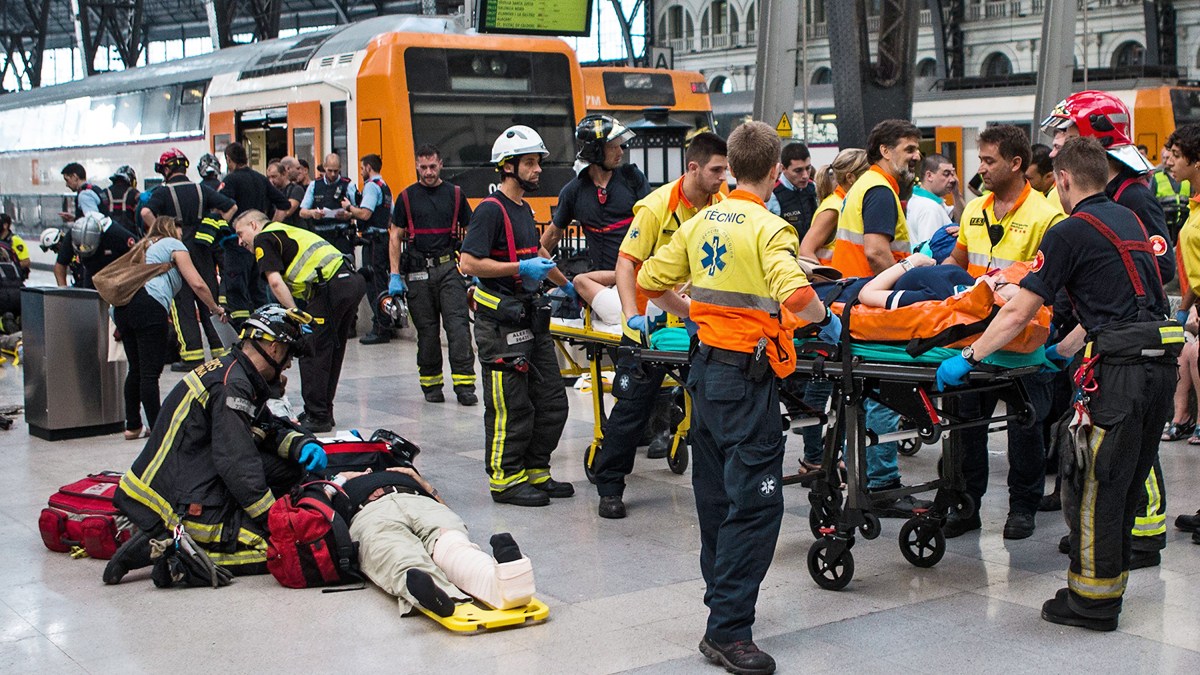
The crash occurred during the morning rush hour, resulting in significant disruption to train services across the region. Initial reports indicate that the train, operated by the Catalan regional company, Railways of the Generalitat of Catalonia (FGC), experienced a derailment due to an apparent malfunction in the braking system. Emergency services were quickly dispatched, with over 50 passengers treated for injuries, ranging from minor to serious, although no fatalities were reported.
Witnesses described scenes of chaos as passengers were evacuated and first responders worked to remove those trapped inside the train. The authorities launched an immediate investigation into the cause of the derailment, while transport officials called for a temporary halt to trains operating along the same line until safety inspections could be conducted.
Response and Implications
In the aftermath of the incident, public and governmental responses have called for a full review of safety protocols across Spain’s railway system. The Spanish Minister of Transport asserted, “The safety of our citizens is our top priority,” and emphasized the need for improved maintenance and regular safety checks on all trains. Labour unions representing railway workers announced plans for protests to highlight ongoing safety concerns and to advocate for better regulations and investment in railway infrastructure.
Conclusion
The Barcelona train crash presents a critical moment for Spain’s transportation authorities, underscoring the need for stringent safety measures. As the investigation unfolds, it is essential for the relevant stakeholders to implement necessary changes, not only to improve safety protocols but also to restore public confidence in train travel. Ongoing discourse around this incident will likely influence future railway policies and funding, ensuring that the lessons learned might help prevent such tragedies in the future. In the coming weeks, citizens and officials alike will be watching closely for the results of the investigation and any subsequent reforms.