









Introduction
China has emerged as a global leader in renewable energy, with wind farms playing a crucial role in this transformation. As the world grapples with climate change and the need for sustainable power sources, China’s aggressive investments in wind energy illustrate its commitment to reducing carbon emissions and transitioning to greener alternatives. As of 2023, China boasts the largest installed capacity of wind power globally, making this topic increasingly relevant in discussions about energy security and climate policies.
The Expansion of Wind Farms in China
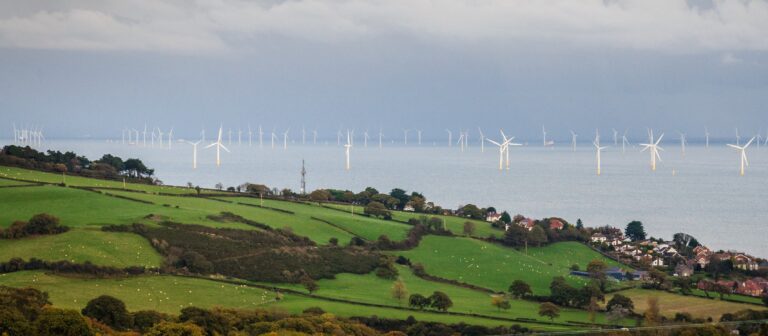
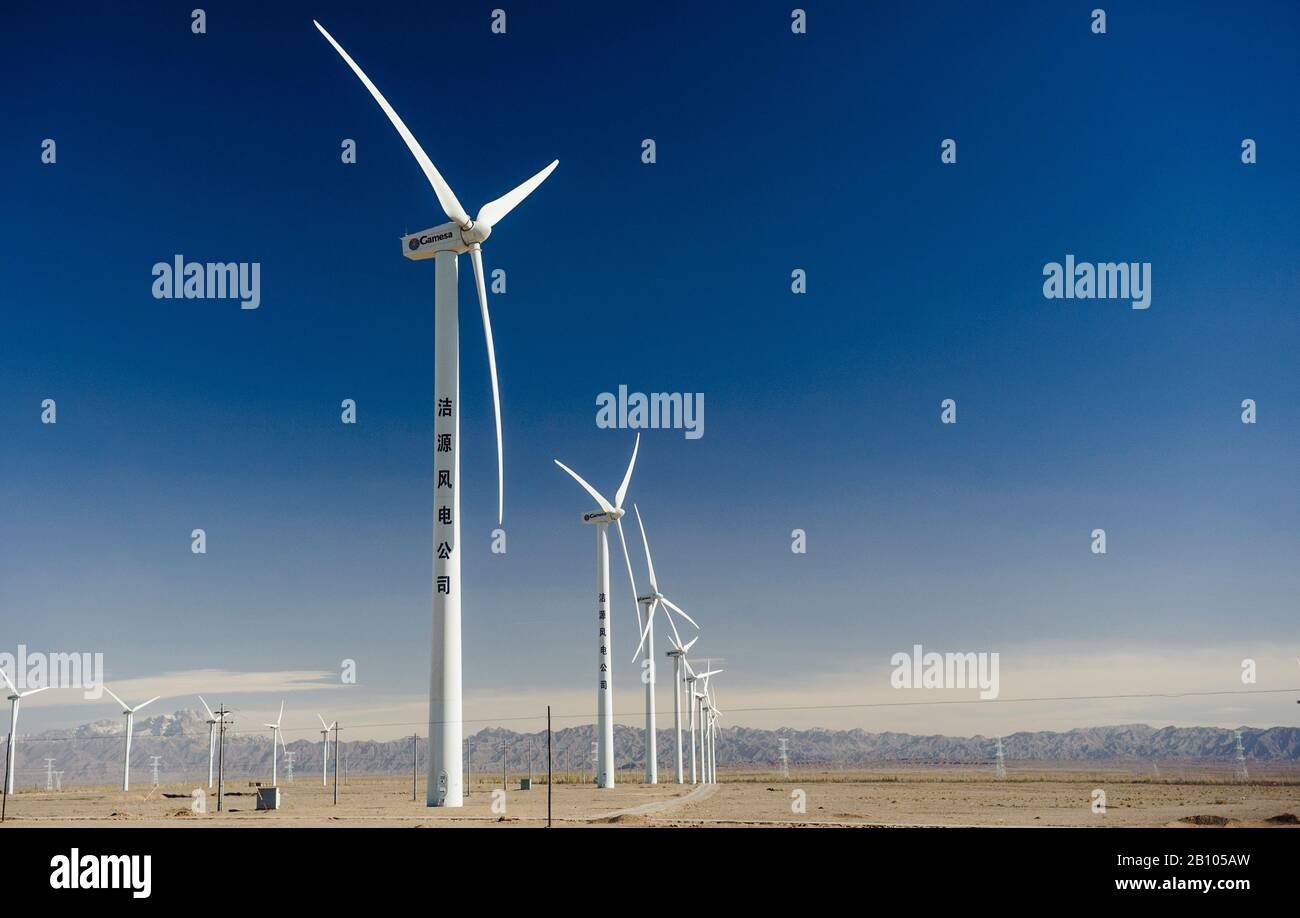
According to the Global Wind Energy Council (GWEC), China accounted for over 50% of the world’s new wind installations in the past year. By mid-2023, the country had installed a total capacity of 340 GW of onshore wind and more than 35 GW of offshore wind. Major provinces leading the way include Inner Mongolia, Xinjiang, and Gansu, each with extensive wind farm projects that harness their vast natural resources.
The Chinese government is actively supporting this growth through incentives and regulations aimed at promoting renewable energy. Policies introduced under the 14th Five-Year Plan highlight the nation’s goal of achieving carbon neutrality by 2060, which necessitates a drastic shift towards wind and solar energy.
Significant Projects and Innovations
Some notable projects include the Gansu Wind Farm, which is one of the largest in the world, with an anticipated capacity reaching 20 GW. This facility not only generates electricity for millions but also serves as a testbed for new technologies in wind turbine manufacturing and energy storage systems. Additionally, the development of floating wind farms off the coast of Jiangsu and Guangdong showcases China’s innovation in utilizing undersea wind resources.
Challenges and Future Prospects
While the growth of wind farms in China is promising, there are challenges that the country faces. Issues such as grid capacity, energy storage, and local opposition have posed hurdles to further expansion. However, with ongoing advancements in technology and infrastructure, analysts predict that wind energy will continue to grow, perhaps making up 25% of China’s total energy consumption by 2030.
Conclusion
The future of wind farms in China is not just a domestic concern but a global imperative. As China continues to expand its wind energy capacity, it will undoubtedly shape global energy markets and set an example for renewable energy initiatives worldwide. The country’s current trajectory suggests that it will remain at the forefront of the wind energy revolution, potentially altering the landscape of energy production and consumption for years to come.