









Introduction
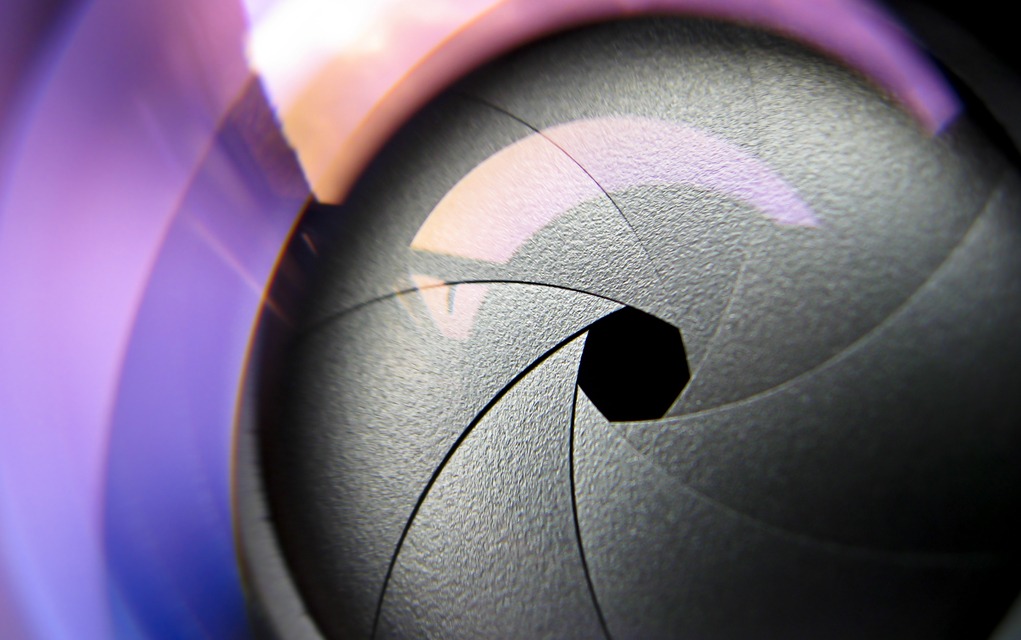
Aperture is a fundamental concept in photography that plays a significant role in determining the exposure and overall quality of images. It refers to the opening in a camera lens through which light passes. A correct understanding of aperture can dramatically enhance a photographer’s ability to control depth of field, image sharpness, and brightness, making it an essential topic for both amateur and professional photographers alike.
What is Aperture?
Aperture is measured in f-stops, represented by values like f/2.8, f/4, f/5.6, and so on. The lower the f-stop number, the larger the aperture opening, allowing more light to enter the camera. Conversely, a higher f-stop number indicates a smaller opening, resulting in less light. This relationship between light intake and aperture size is critical for achieving the desired exposure of a photograph.
Aperture and Depth of Field
One of the primary functions of aperture is its effect on depth of field (DoF). A wide aperture (small f-stop number), such as f/1.8, will result in a shallow depth of field, making it ideal for portraits where the subject stands out against a softly blurred background. On the other hand, a narrow aperture (high f-stop number), like f/16, creates a deeper depth of field, making it suitable for landscape photography where both the foreground and background need to be sharp.
Impact on Exposure
Aperture significantly impacts the exposure triangle, which also includes shutter speed and ISO. A larger aperture allows for faster shutter speeds, which can be beneficial in low-light situations or when capturing fast-moving subjects. A well-balanced exposure is achieved by adjusting these three elements in conjunction to ensure that images are neither overexposed nor underexposed.
Current Trends in Aperture Usage
In recent years, there has been a shift towards the creative use of aperture in photography. With the evolution of camera technology and improved lens options, photographers are experimenting with unconventional aperture settings to achieve unique results. For instance, the use of lens filters and special effects through varying aperture settings has become more popular among professionals, allowing for innovative storytelling through imagery.
Conclusion
Understanding aperture is essential for photographers looking to master their craft. As technology continues to advance, the creative applications of aperture are likely to expand, providing photographers with even more tools to explore artistic expression. Whether you’re capturing stunning landscapes or intimate portraits, knowing how to manipulate aperture effectively can significantly elevate your photography. As such, a strong grasp of this concept will empower photographers to make deliberate choices that enhance their visual storytelling.