







Introduction
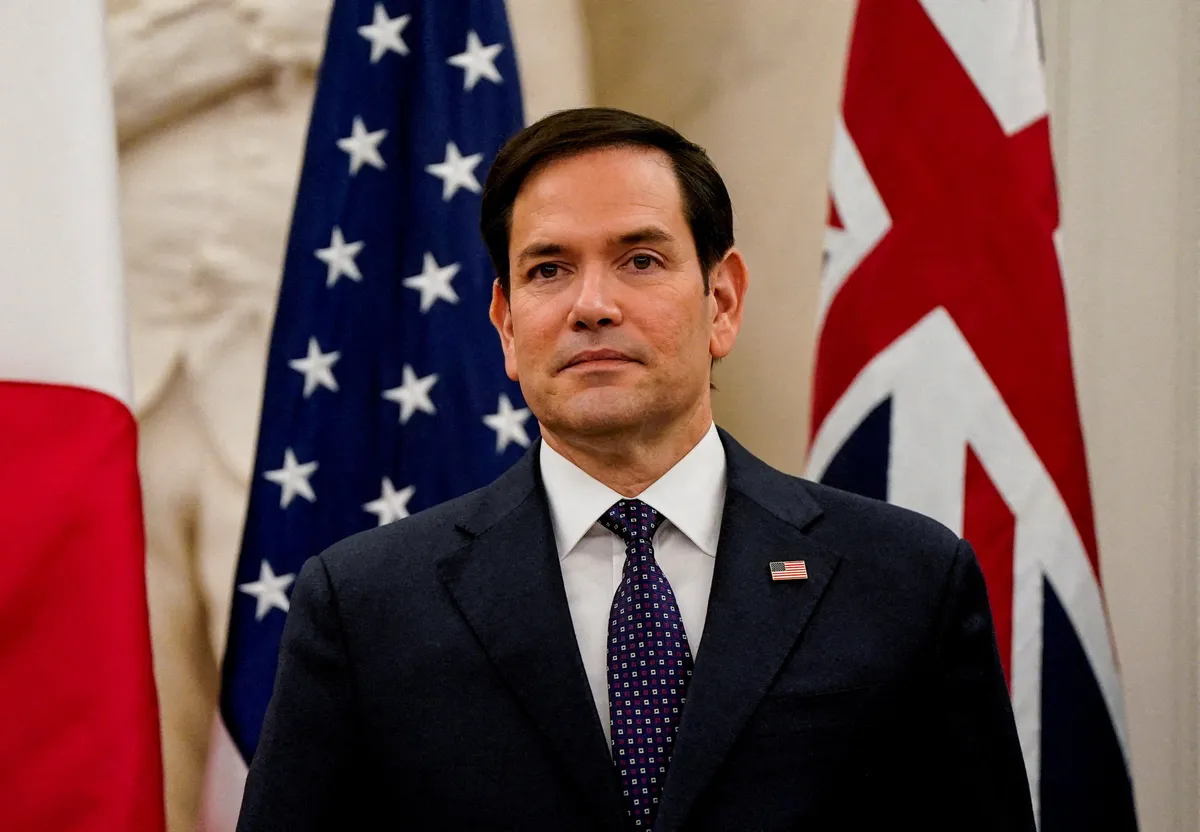
As a prominent figure in American politics, Senator Marco Rubio has played a crucial role in shaping legislative agendas over the past decade. Representing Florida in the United States Senate since 2011, Rubio’s influence extends beyond his state, making him a key player in national discussions on immigration, foreign policy, and economic reform. His political journey highlights the complexities of contemporary American governance and the changing demographics of the Republican Party.
Background and Political Career
Born on May 28, 1971, in Miami, Florida, Marco Rubio is the son of Cuban immigrants who fled to the United States seeking a better life. Rubio’s education at the University of Florida and subsequent graduation from the University of Miami School of Law set the groundwork for his early career in law and public service. His political career began in 2000 when he was elected to the Florida House of Representatives, eventually serving as Speaker of the House in 2006.
In 2010, Rubio launched a successful campaign for the U.S. Senate, defeating incumbent Republican Governor Charlie Crist in the primaries and subsequently winning the general election against Democrat Kendrick Meek and Crist, who ran as an independent. His platform emphasized conservative values, fiscal responsibility, and a strong national defense, appealing to the growing cohort of conservative voters in Florida.
Legislative Achievements and Challenges
Throughout his tenure in the Senate, Rubio has been an advocate for immigration reform, co-sponsoring the bipartisan “Gang of Eight” immigration bill in 2013. However, this move generated significant backlash from conservative constituents, illustrating the challenges Rubio faced as he navigated party dynamics and shifting voter sentiments. Despite setbacks, Rubio has remained a key figure on foreign policy issues, particularly in relation to Cuba and Venezuela, often calling for U.S. intervention to support democracy in Latin America.
In recent months, Rubio’s focus has shifted toward addressing issues related to the COVID-19 pandemic recovery and the implications of global supply chain disruptions. His calls for increased domestic production and economic resilience resonate with both concerning national security and national politics.
Conclusion
Marco Rubio’s political journey underscores the evolving landscape of American politics, particularly within the Republican Party. As he continues to serve in the Senate, his ability to balance traditional conservative values with the needs of his diverse constituency will be critical. Moving forward, Rubio’s leadership will likely be pivotal as the U.S. navigates complex legislative challenges and economic recovery efforts. For readers, understanding Rubio’s role in these discussions is essential as it holds implications for the future direction of U.S. policy and governance.