









Introduction
Inflation remains a critical topic of discussion in today’s global economy, shaping policies and influencing consumer behaviour. As 2026 approaches, economists and analysts are closely examining trends that could determine inflation rates, providing insights into how families and businesses might prepare for potential changes in costs of goods and services.
Current Economic Landscape
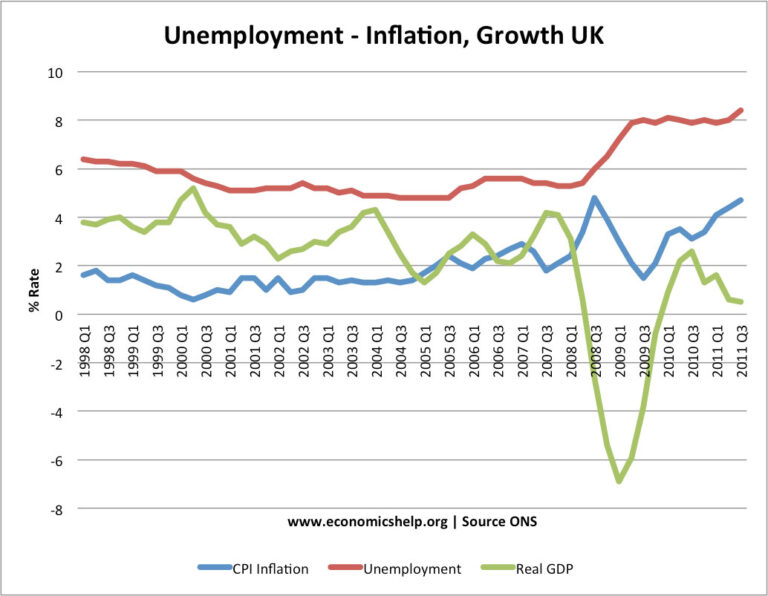
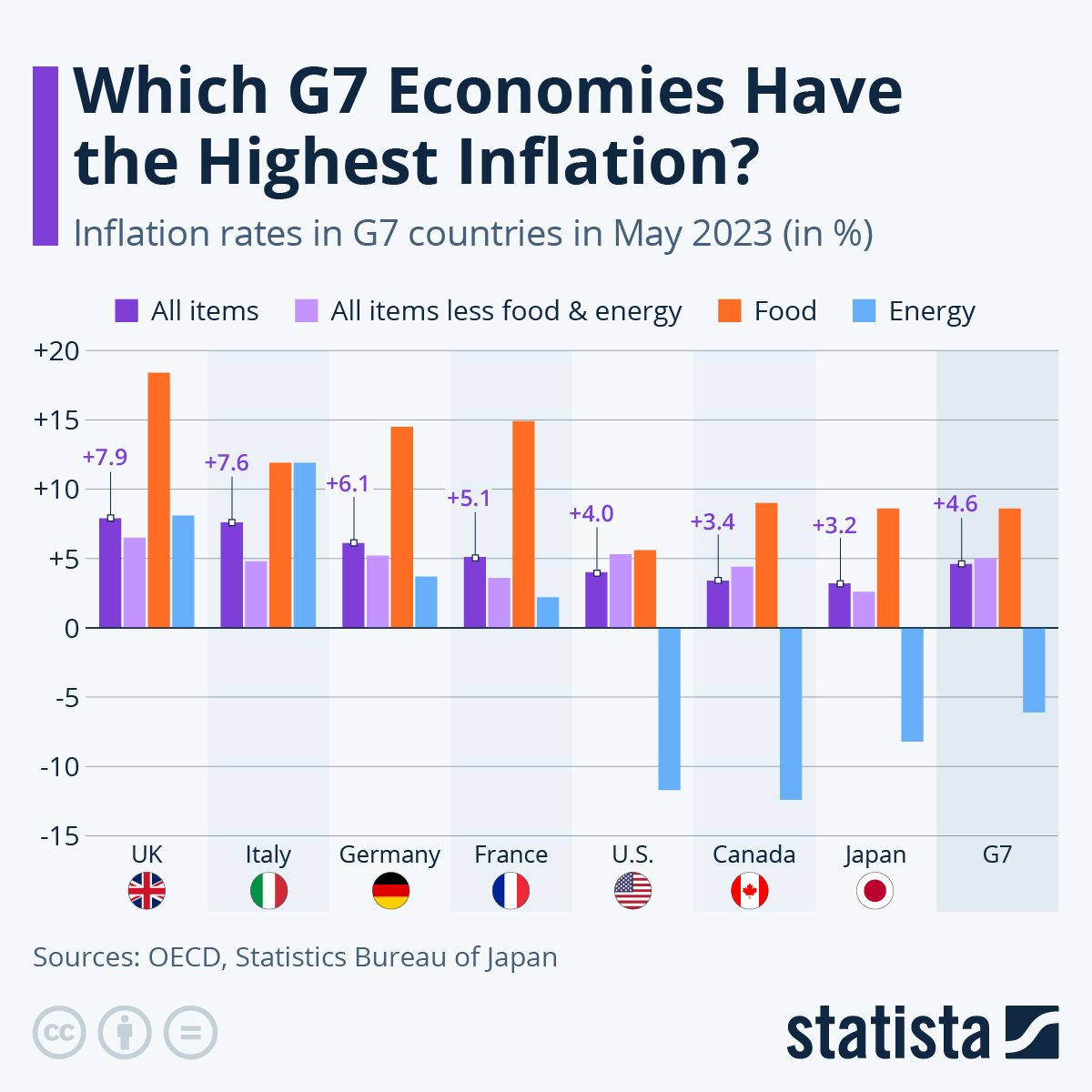
As of 2023, inflation rates across many nations have witnessed considerable fluctuations, driven by factors such as supply chain disruptions, energy prices, and geopolitical tensions. The Bank of England has already raised interest rates in response to inflation, which peaked in the UK at over 10% in 2022. Moving into 2024 and 2025, it is anticipated that these measures will contribute to moderating inflation, although the trajectory will depend on global economic recovery.
Predictions for 2026
Forecasts for inflation in 2026 indicate that rates may stabilise between 2% and 4% in developed economies, barring any unforeseen global crises. Analysts from the OECD suggest that pent-up consumer demand, alongside rising wages, might maintain inflationary pressures until a more stable equilibrium is reached. In emerging markets, the outlook could be quite different with inflation remaining elevated due to factors such as currency depreciation and rising food costs.
Factors Influencing Future Inflation
Several key factors are expected to influence inflation in 2026:
- Monetary Policy: Central banks will play a vital role in stabilising inflation through interest rate adjustments. Ongoing tight policies may curb excessive inflation, but slower growth could be a side effect.
- Supply Chain Recovery: Improvements in logistics and supply chain stability will be crucial. Persistent issues could lead to sporadic inflation spikes.
- Geopolitical Situation: Ongoing geopolitical conflicts or trade disputes may disrupt markets, causing volatile fluctuations in prices.
Conclusion
As we look ahead to 2026, managing inflation will remain a significant challenge for policymakers worldwide. While moderate inflation is a part of economic growth, ensuring it does not spiral out of control will be vital for maintaining economic stability. Consumers and businesses alike should prepare for possible changes in pricing, while remaining adaptable to the shifting economic landscape. Understanding these predictions will help mitigate risks and seize opportunities as the economy evolves over the next few years.