










Introduction
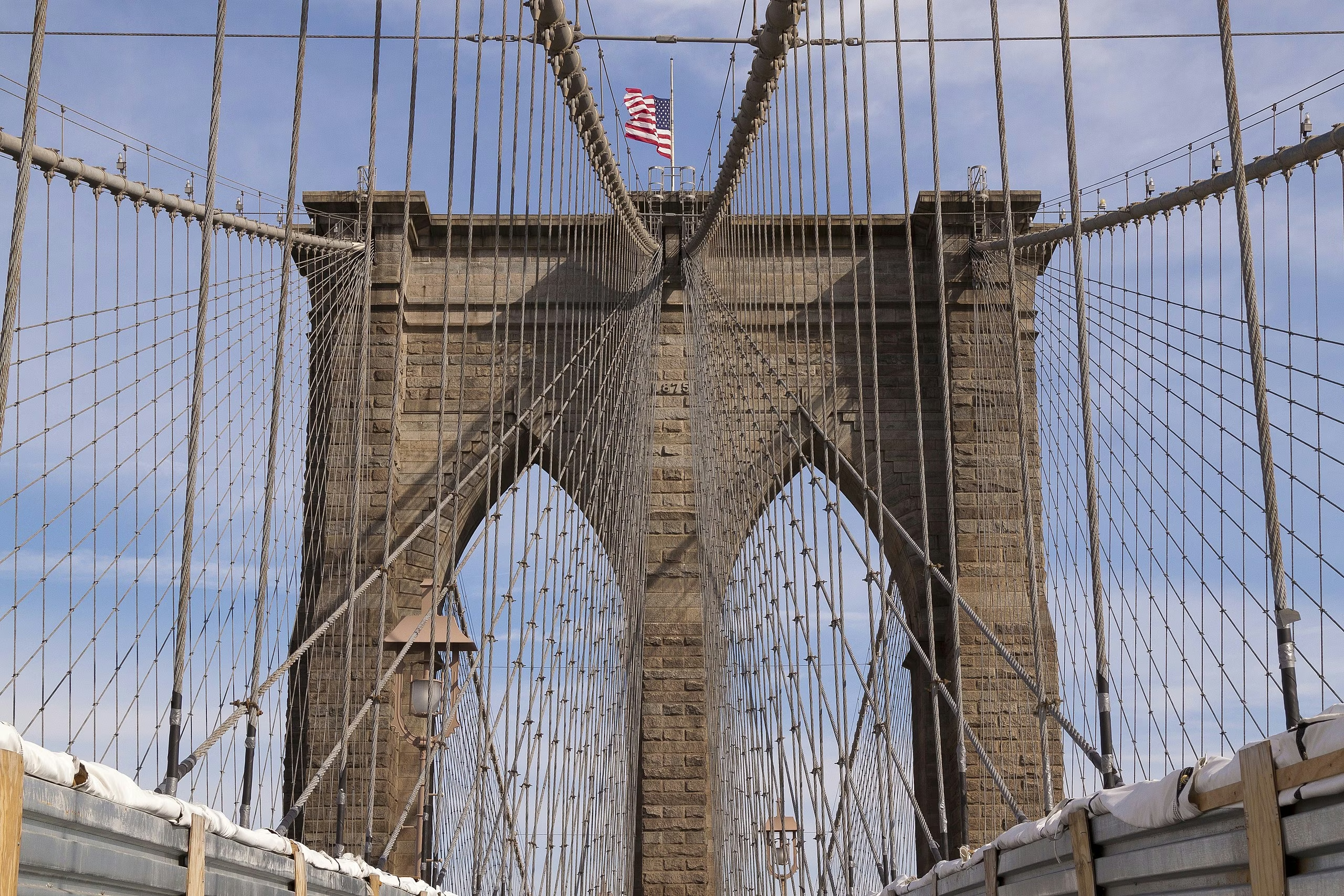
The Brooklyn Bridge, an iconic symbol of New York City, stands as a remarkable feat of engineering and a cultural landmark. Spanning the East River, it connects Manhattan and Brooklyn, serving as a vital thoroughfare for pedestrians, cyclists, and vehicles. The historical and architectural significance of the bridge not only draws millions of tourists each year but also has a profound impact on the local communities and economy.
Historical Background
Construction of the Brooklyn Bridge began in 1869 and was completed in 1883, making it one of the oldest suspension bridges in the United States. Designed by John A. Roebling, the bridge features a unique Gothic architectural style with a span of 1,834 meters (6,016 feet). Tragically, Roebling died before the bridge’s completion, and his son, Washington Roebling, took over the project despite suffering from decompression sickness. The bridge opened to the public on May 24, 1883, with a grand ceremony that included an estimated 150,000 people crossing the bridge on its opening day.
Recent Developments and Events
In recent years, the Brooklyn Bridge has undergone various maintenance and renovation projects aimed at preserving its structural integrity and enhancing visitor experience. The New York City Department of Transportation has invested in upgrading the pathways for pedestrians and cyclists, improving safety and accessibility. In 2023, new lighting systems were installed, illuminating the bridge at night and showcasing its architectural beauty, while further development plans aim to include cultural programs and events to engage the community.
Moreover, on social media, viral trends and campaigns, such as the #BrooklynBridgeChallenge, have brought attention to the bridge, encouraging residents and tourists alike to share their experiences, photographs, and stories. Events like ‘Bridge Walks’ are organised periodically, where visitors can come together to traverse this historical structure while learning about its history and significance.
Conclusion
As the Brooklyn Bridge continues to inspire awe and admiration, it endures as a symbol of resilience and innovation. Its role in connecting not just areas, but people, remains significant in today’s fast-paced world. With ongoing maintenance and community-engagement initiatives, the future of the Brooklyn Bridge looks promising. For locals and visitors alike, it will always be more than just a bridge—it signifies a unique point of connection within the vibrant tapestry of New York City.