










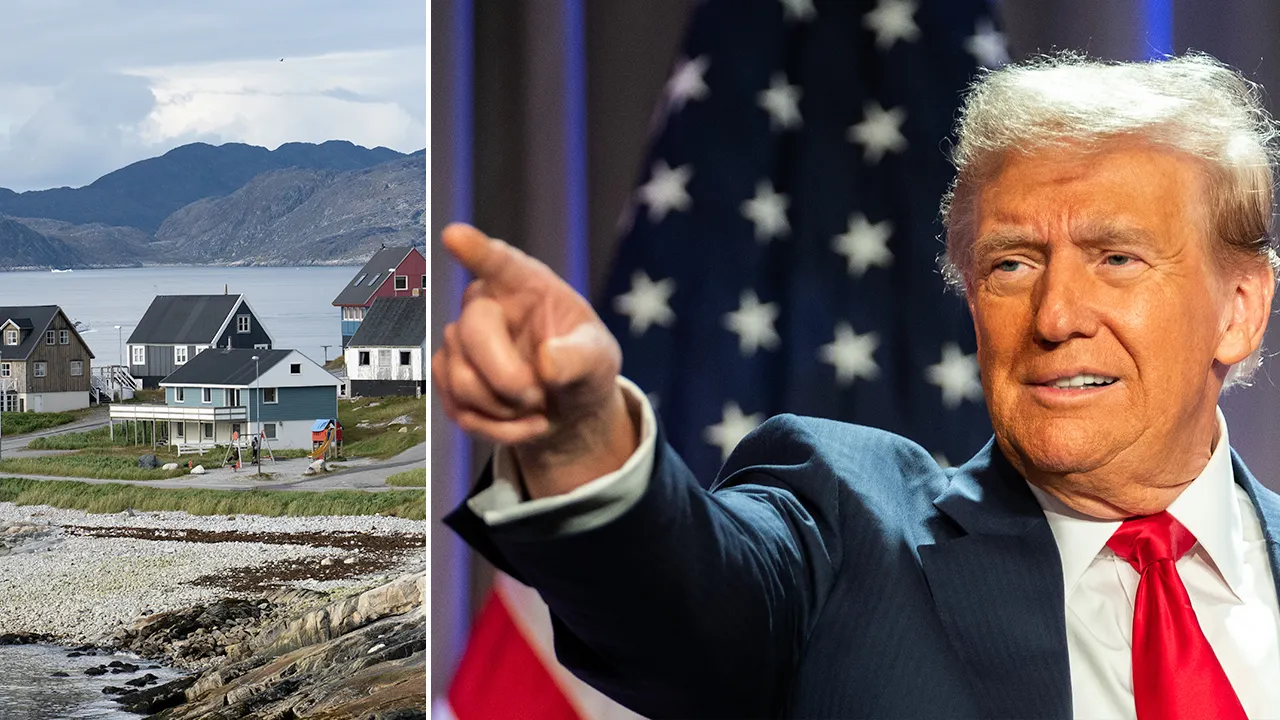
Introduction
The interest that former U.S. President Donald Trump showed in acquiring Greenland during his tenure raised eyebrows and sparked debates. Greenland, the world’s largest island, is geopolitically significant due to its location and natural resources. Understanding the motivations behind Trump’s desire to buy Greenland is not only relevant to international relations but also reveals the complexities of modern diplomacy and geopolitics.
The Historical Context
Greenland is an autonomous territory of Denmark, yet it is situated strategically between North America and Europe. Historically, the U.S. has had an interest in the region since World War II, when it established military bases there. Trump’s proposal to buy Greenland surfaced publicly in 2019, prompting a mix of confusion and laughter. However, his interest can be seen in light of broader geopolitical aspirations.
Strategic and Economic Motivations
One of the prime motivations behind Trump’s interest lies in Greenland’s natural resources. The island is believed to have vast reserves of oil, minerals, and rare earth elements, which are critical for various modern technologies. As the global demand for these resources increases, securing access to them would potentially benefit the U.S. economy in a significant way.
In addition, the Arctic region is becoming increasingly accessible due to climate change, leading to new shipping routes and prospects for fishing and resources. By establishing closer ties with Greenland, the U.S. could strengthen its foothold in the Arctic, an area where Russia and China are also vying for influence. This geopolitical landscape makes Greenland an area of intense competition among global powers.
International Reactions
Danish politicians and the public reacted strongly against Trump’s proposal, viewing it as a colonialist mindset and an affront to their sovereignty. The Danish Prime Minister, Mette Frederiksen, described the concept as “absurd”, effectively quashing any negotiations. Furthermore, the outcry highlighted the sensitivity surrounding Greenland’s rights and its people’s opinions about potential foreign ownership.
Conclusion
Trump’s interest in Greenland, though met with widespread criticism and laughter, underscores significant geopolitical issues that extend beyond a mere land acquisition. The implications of such interest reflect a nuanced understanding of global resource competition, strategic military positioning, and the sensitivities of indigenous rights and international diplomacy. As the world’s geopolitical landscape continues to evolve, Greenland will likely remain a focal point for nations aiming to assert influence in the Arctic region. Looking ahead, U.S.-Greenland relations will be crucial not just for economic motivations, but also for maintaining peace and collaboration in a contested area.